Facebook Exposed: Serious Interference Alleged in Hungary’s Elections

External interference, algorithmic manipulation, and politically motivated censorship appears to have cast a shadow over Hungary’s election campaign, according to Jerzy Kwasniewski, a Polish legal expert and head of the Ordo Iuris Institute. The analyst argues that the European Union’s Digital Services Act (DSA) framework and the conduct of major technology platforms may have disproportionately restricted the reach of right-wing content, while Prime Minister Peter Magyar’s social media presence appeared to benefit from unprecedented algorithmic support.

2026. 05. 11. 15:46
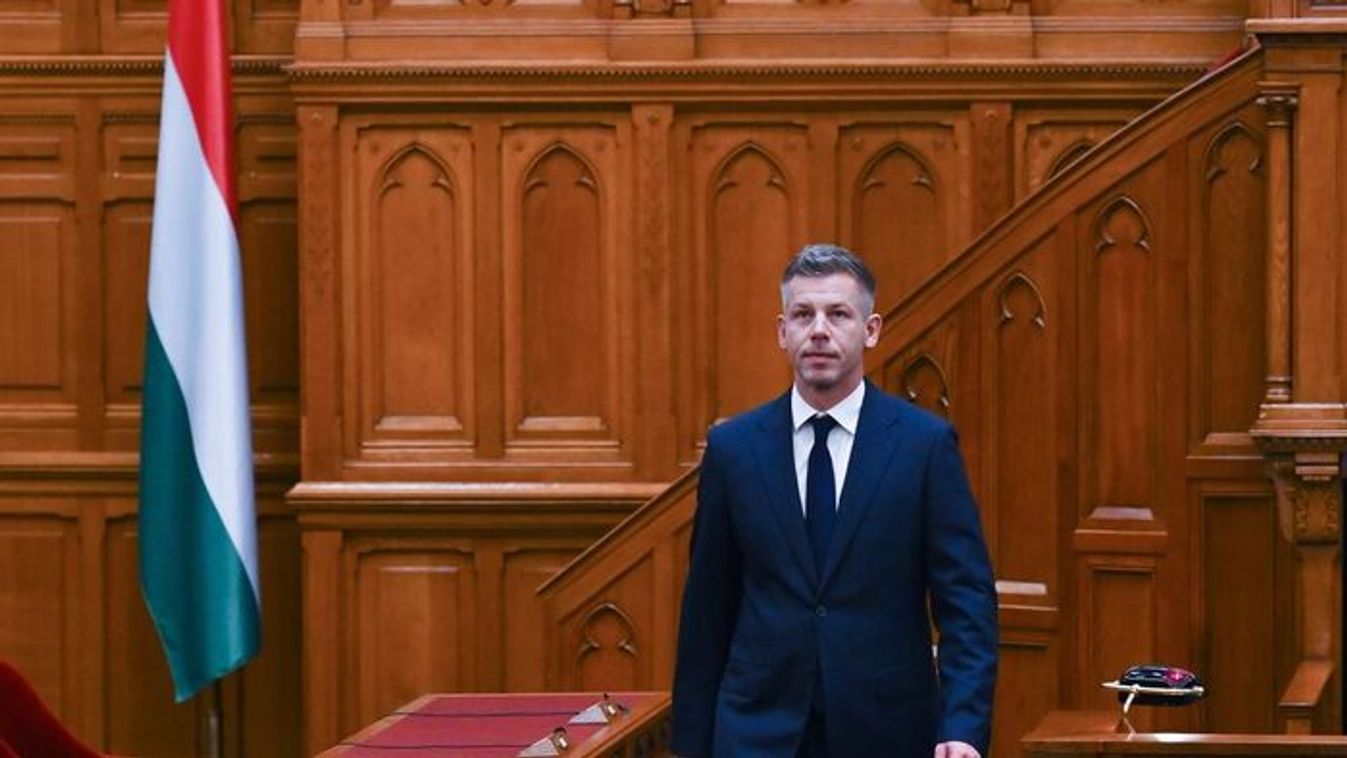
Hungary's Prime Minister Peter Magyar (Photo: MTI)
VéleményhírlevélJobban mondva - heti véleményhírlevél - ahol a hét kiemelt témáihoz fűzött személyes gondolatok összeérnek, részletek itt.

According to Ellenpont, another controversy emerged during the campaign when Philip Pilkington, senior researcher at the Hungarian Institute of International Affairs, claimed in a post on X that a Polish Meta official named Oskar Braszczynski was behind attacks targeting the Hungarian prime minister online. Braszczynski serves as Meta’s government and public policy lead for Central and Eastern Europe.

Pilkington argued that the official’s social media activity suggested clear political commitments that raise concerns regarding the platform’s neutrality. He further claimed that the Meta employee openly supports pro-Ukraine and LGBTQ activist causes and is aligned with political circles opposed to Poland’s former ruling Law and Justice (PiS) party, historically considered an ally of the Hungarian government.
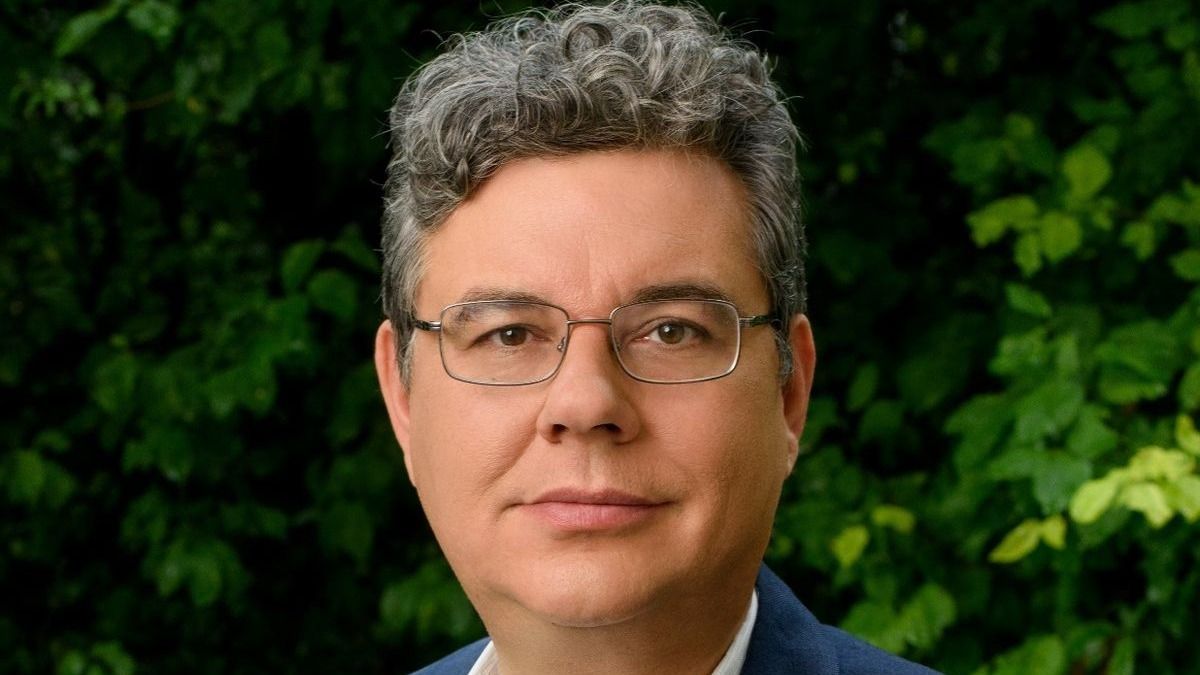

Béky Zoltán, a Századvég jogi szakértője
Zoltan Beky, legal analyst at Szazadveg (Photo: Szazadveg)

Zoltan Beky, legal analyst at Szazadveg
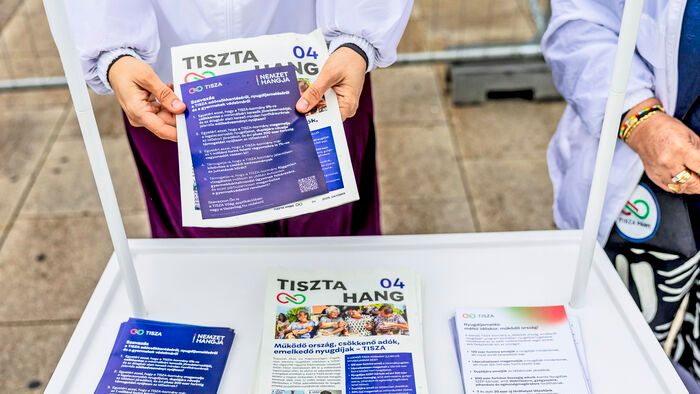
and author of the book Civil (?) on the Field, compiled what he described as a list of developments that may have influenced the election outcome through social media — blatantly in favor of the Tisza Party.

Pre-Election Developments He Highlighted Include:

  • The European Commission issued a punitive decision against X. In connection with the matter, the United States barred Thierry Breton — one of the chief architects of the European Union’s Digital Services Act (DSA) — along with four other individuals working for NGOs involved in online censorship activities.
  • A court banned an issue of the newspaper Bors that focused on the Tisza Party’s tax plans. In response, the Hungarian Association of Journalists (MÚOSZ) declared that “the right to press freedom does not belong to propagandists.” (Naturally, they reserve for themselves the right to decide who qualifies as a “propagandist.”)
  • In December 2025, the European Commission launched infringement proceedings against Hungary, accusing the country of violating virtually every substantive provision of another new EU media regulation, the so-called “Media Freedom Act.”
  • In early February, the U.S. House Judiciary Committee released a 160-page report on foreign — primarily European Union-driven — censorship activities targeting American online services. According to the investigation, Brussels has for years deliberately pressured major tech companies not only to remove extremist content, but also politically inconvenient opinions from the online sphere. The report concluded that the Digital Services Act has become a tool of global content regulation that could now directly affect freedom of speech in the United States itself.
  • In January 2026, the “Online Platform Dispute Resolution Council” operating alongside Hungary’s National Media and Infocommunications Authority (NMHH) under the DSA framework issued its recommendation in the long-running Pesti Sracok (PS) media outlet case. The council sided with the Hungarian media outlet against Google, which operates YouTube, finding that the tech giant had violated its own policies when it removed the PS YouTube channels.
  • As part of its “election program,” the Tisza Party also unveiled its plans concerning the Hungarian media landscape. Among the proposals was a pledge that “following a change in government, we will immediately suspend the news operations of the public broadcast media.”
  • On February 17, a Berlin court ordered X to hand over data related to the Hungarian elections to an international NGO describing itself as an independent verified researcher.
  • On February 27, Meta rendered the Facebook pages of several regional newspapers — including Kisalfold and Szabolcs-Szatmar-Bereg Online — inaccessible. The same fate befell the Facebook page of European Conservative as well.

Related to the aforementioned Berlin court order was a March 18 report claiming that a senior communications employee at X had posted that Facebook could restrict the reach of Prime Minister Viktor Orbán’s posts ahead of the elections while simultaneously boosting the visibility of Peter Magyar and the Tisza Party.

Mario Nawfal — a leading blogger and radio host on X, whom many consider to be Elon Musk’s right-hand man — shared a post sharply criticizing Facebook’s political bias. Nawfal wrote that concerns had emerged ahead of the April elections that Facebook was limiting the reach of certain posts by Prime Minister Viktor Orban. According to reports, this was preceded by a call from a figure linked to the Tisza Party — a former Meta employee — urging supporters to mass-report the Hungarian prime minister’s content.

At the same time, the social media activity and reach of Tisza Party leader Péter Magyar have been exceptionally strong, with some observers claiming his engagement figures are remarkable even by international standards. Questions were also raised over the fact that Magyar operates not through a traditional political page, but through a so-called professional-mode personal profile, which differs from Meta’s standard treatment of political content.

“If Hungary’s largest social media platform suppresses Orban’s content ahead of the election while opposition activity appears unusually elevated, that raises serious concerns about freedom of speech and the integrity of democratic processes,” Nawfal wrote. He added that further questions had emerged regarding how Meta moderates political content in Hungary. According to Nawfal, one of the company’s regional officials has publicly expressed positions aligned with mainstream European narratives, including pro-Ukraine messaging and content critical of the Hungarian government.

Following these concerns, Nawfal called for an immediate investigation. He argued that it is essential to uncover how social media platforms handle political content during election periods and what impact this may have on public discourse. The blogger also noted that similar forms of manipulation had already occurred in other countries and expressed hope that the same would not happen in Hungary.

  • On March 16, the European Commission activated a “rapid response” censorship mechanism aimed at monitoring and influencing online activity surrounding the Hungarian elections. The system established a direct channel through which online platforms and civil organizations could quickly notify one another if they detected allegedly illegal activities intended to influence the election online. The European Commission provides the framework for the system.

Within this so-called Rapid Response System, globalist NGOs participating in the EU’s “fact-checking” network and DSA-related codes of conduct are able to communicate directly with online platforms in order to flag allegedly illegal activities.

  • On March 19, the Fidesz group in the European Parliament announced that it would submit a written complaint to the European Commission regarding what it described as an online censorship campaign. Speaking on behalf of the delegation, MEP Csaba Domotor said the essence of the system is that outside actors, activist groups, liberal media outlets, and so-called fact-checkers can flag certain Facebook or YouTube content, which social media companies are then expected to downgrade in order to limit its reach. Failure to comply, he said, could result in enormous financial penalties.

Fidesz therefore called on the Commission to disclose which activist groups in Hungary are participating in the content-restriction process. The delegation also asked whether the Commission would reveal exactly which Facebook or YouTube content had its reach suppressed. Those questions have yet to be answered.

Lessons Drawn From the Hungarian Elections

The outcome of the Hungarian elections is now well known. In recent days, numerous analyses and theories have emerged regarding the reasons behind Fidesz’s defeat. A full assessment will obviously require much more time.

However, even now it is worth revisiting the question raised by Zoltán Beky in his book Civil (?) on the Field: can an election be won solely through effective online communication? Based on the current experience, the answer may not yet be entirely definitive — but one conclusion already seems clear: without it, victory is certainly impossible,

Ellenpont concluded.

Our Homeland (Mi Hazank)party leader Laszlo Toroczkai summed up the issue more bluntly when reacting to the election result, writing:

“Congratulations to Facebook for securing its first prime minister in Hungary.”

Cover photo: Hungary's Prime Minister Peter Magyar (Photo: MTI)

Komment

Összesen 0 komment

A kommentek nem szerkesztett tartalmak, tartalmuk a szerzőjük álláspontját tükrözi. Mielőtt hozzászólna, kérjük, olvassa el a kommentszabályzatot.


Jelenleg nincsenek kommentek.

Szóljon hozzá!

Jelenleg csak a hozzászólások egy kis részét látja. Hozzászóláshoz és a további kommentek megtekintéséhez lépjen be, vagy regisztráljon!

A téma legfrissebb hírei

Tovább az összes cikkhez chevron-right

Ne maradjon le a Magyar Nemzet legjobb írásairól, olvassa őket minden nap!

Google News
A legfrissebb hírekért kövess minket az Magyar Nemzet Google News oldalán is!

Címoldalról ajánljuk

Tovább az összes cikkhez chevron-right

Portfóliónk minőségi tartalmat jelent minden olvasó számára. Egyedülálló elérést, országos lefedettséget és változatos megjelenési lehetőséget biztosít. Folyamatosan keressük az új irányokat és fejlődési lehetőségeket. Ez jövőnk záloga.