Brussels Fuels Crises Instead of Tackling Them

Over the past decade, the European elite has stumbled from crisis to crisis, repeatedly making poor decisions.

2025. 03. 18. 15:48
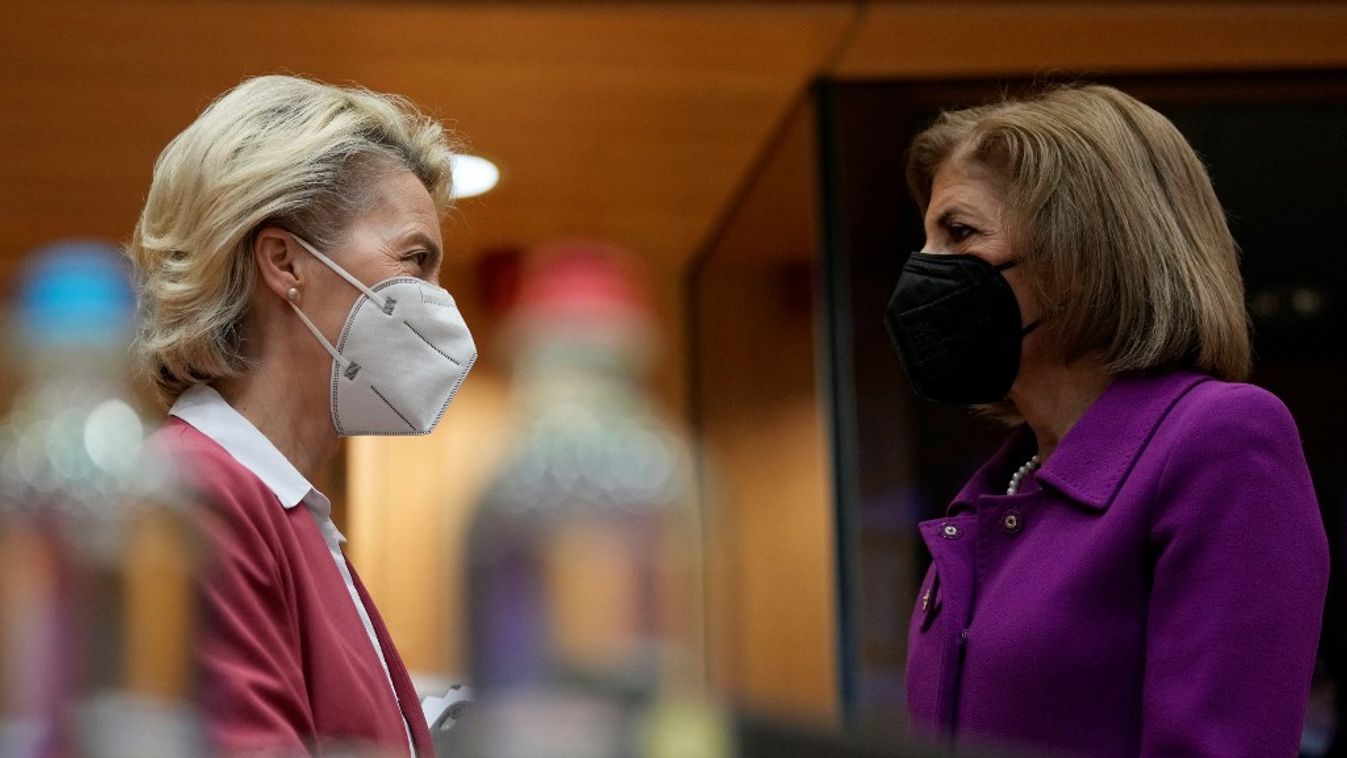
European Commission President Ursula von der Leyen and European Commissioner for Health Stella Kyriakides during the pandemic (Photo: AFP/POOL/Virginia Mayo)
VéleményhírlevélJobban mondva - heti véleményhírlevél - ahol a hét kiemelt témáihoz fűzött személyes gondolatok összeérnek, részletek itt.

After the pandemic, as Europe slowly began its economic recovery—a process that significantly hindered the bloc’s regional competitiveness—many Brussels politicians found themselves struggling to explain yet another scandal.

While the European Parliament was busy investigating Hungary’s alleged rule-of-law and corruption issues, the Qatargate scandal, a massive Brussels corruption case involving millions of euros, erupted like a bombshell. Among others, even the European Parliament’s vice president, Eva Kaili, was implicated.

It is worth noting that in response to these criticisms and calls for accountability, the European elite applied the same well-established tactic as before: the ruthless application of the infamous Brussels double standard. As a result, even to this day, EU institutions—despite their frequent rhetoric on financial transparency—have failed to close the Qatargate case.

Based on the crises discussed above and the corrupt, politically motivated responses from Brussels, it is not difficult to conclude that Viktor Orban’s latest veto—intended to draw Europe's attention to the EU’s lack of overall rationality and assessment abilities—could not have come at a better time.

Over the past decade, Brussels has stumbled from crisis to crisis, repeatedly making poor decisions that have caused immense damage not only to the European community as a whole but also to individual member states.

If Brussels, now adrift without the United States, fails once again to come to its senses—this time on the issue of ending the war—it is almost certain that it will have to reckon with irreparable consequences in the near future.

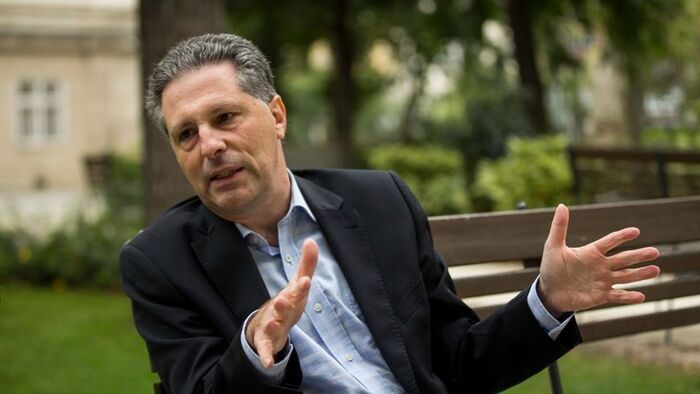
The author is chief senior analyst at the Szazadveg Public Knowledge Center Foundation.

Komment

Összesen 0 komment

A kommentek nem szerkesztett tartalmak, tartalmuk a szerzőjük álláspontját tükrözi. Mielőtt hozzászólna, kérjük, olvassa el a kommentszabályzatot.


Jelenleg nincsenek kommentek.

Szóljon hozzá!

Jelenleg csak a hozzászólások egy kis részét látja. Hozzászóláshoz és a további kommentek megtekintéséhez lépjen be, vagy regisztráljon!

A téma legfrissebb hírei

Tovább az összes cikkhez chevron-right

Ne maradjon le a Magyar Nemzet legjobb írásairól, olvassa őket minden nap!

Google News
A legfrissebb hírekért kövess minket az Magyar Nemzet Google News oldalán is!

Címoldalról ajánljuk

Tovább az összes cikkhez chevron-right

Portfóliónk minőségi tartalmat jelent minden olvasó számára. Egyedülálló elérést, országos lefedettséget és változatos megjelenési lehetőséget biztosít. Folyamatosan keressük az új irányokat és fejlődési lehetőségeket. Ez jövőnk záloga.