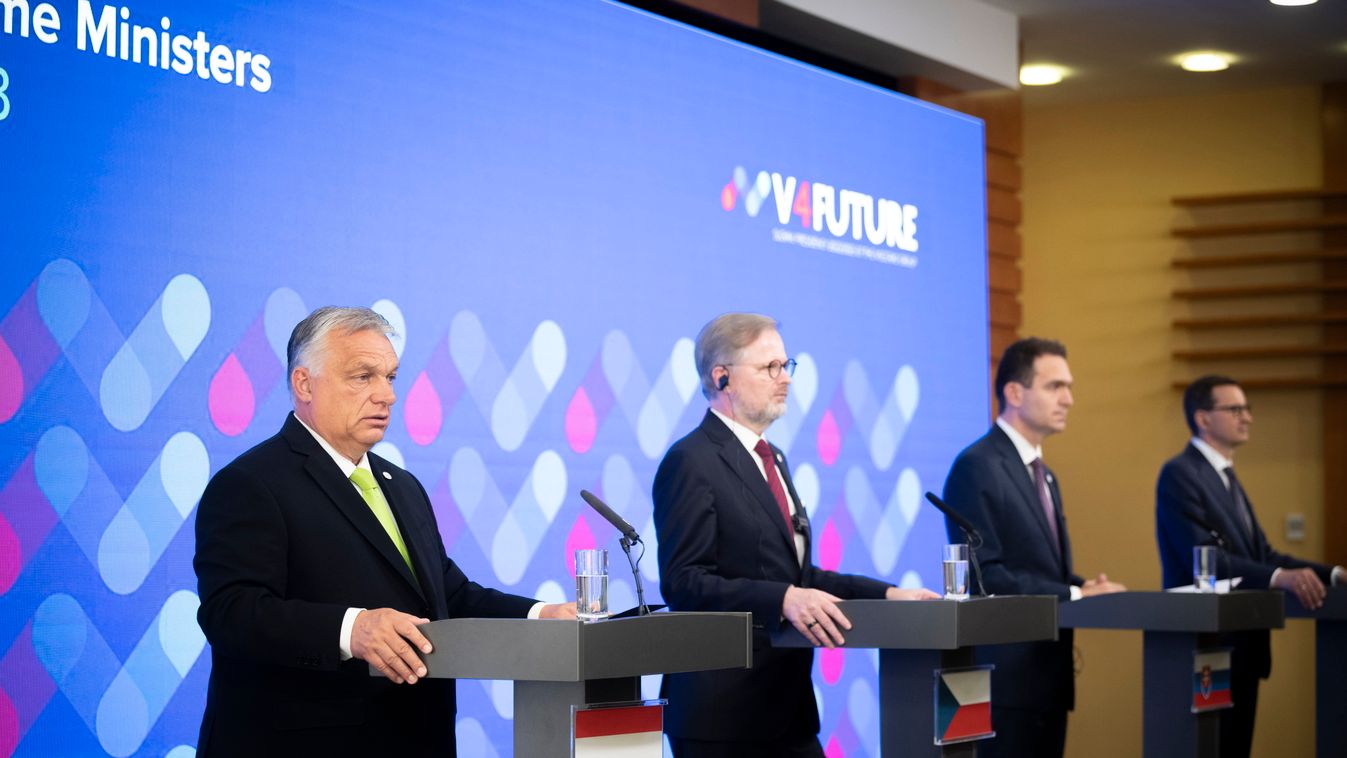
Mr Orban also responded to developments that Serbian authorities may soon release the three Kosovo police officers who had been arrested earlier, in line with his request made last week. "I am pleased that Serbian authorities and the court have decided to release the three Kosovo police officers, and that this has helped to ease the rapidly escalating tensions," he said. Concerning the EU's Green Deal and its impact on competitiveness, he described the green transition as important, stressing however, that it must be implemented in a way so as not to undermine the competitiveness of Hungary and Central Europe.
PM Orban said the participants have also reviewed the issue of the Russia-Ukraine war, but, as he said, the aim is not to make this issue the focus of their joint cooperation. He said Hungary shared the concerns about grain arriving from Ukraine.
We are in favor of grain from Ukraine reaching its destinations outside Europe, but we are not in favor of this grain staying here, for instance in Hungary, thereby destroying Hungary's entire grain market,
– Mr Orban said. The meeting of the V4 prime ministers in Bratislava was one of the final events of Slovakia's V4 presidency, which will terminate at the end of June. The Czech Republic will take over the Visegrad Group's Presidency from Slovakia in July.
They reject Brussels' migration plans
– The V4 countries are also rising to the challenge of hosting war refugees, a topic that forms a very strong common bond between us today, Polish PM Mateusz Morawiecki said.
We firmly stand by our view that the European Union's external borders must be protected and that we cannot support people smuggling organizations or people traffickers, because this is totally immoral, and we cannot support terrorist organizations, either, at the same time. We do not agree with any migrant quotas and we will make it very clear that Europe must have mechanisms to protect itself from external migration,
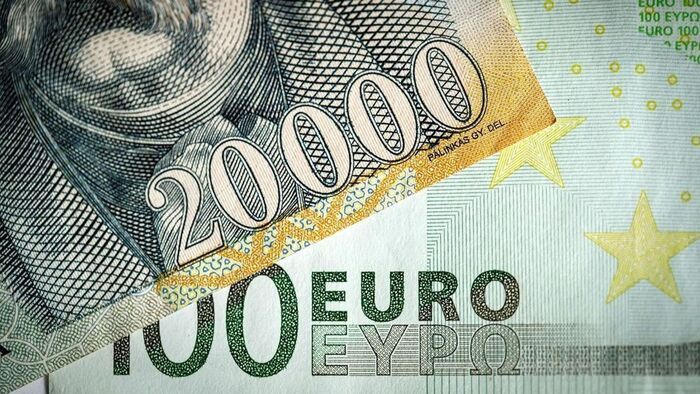
Mr Morawiecki said. He also touched on the migration pact recently adopted by the EU's interior ministers, which he said leaves member states with two realistic options: they will either take in a certain number of migrants, or they will have to pay tens of thousands of euros per migrant into the EU coffers.