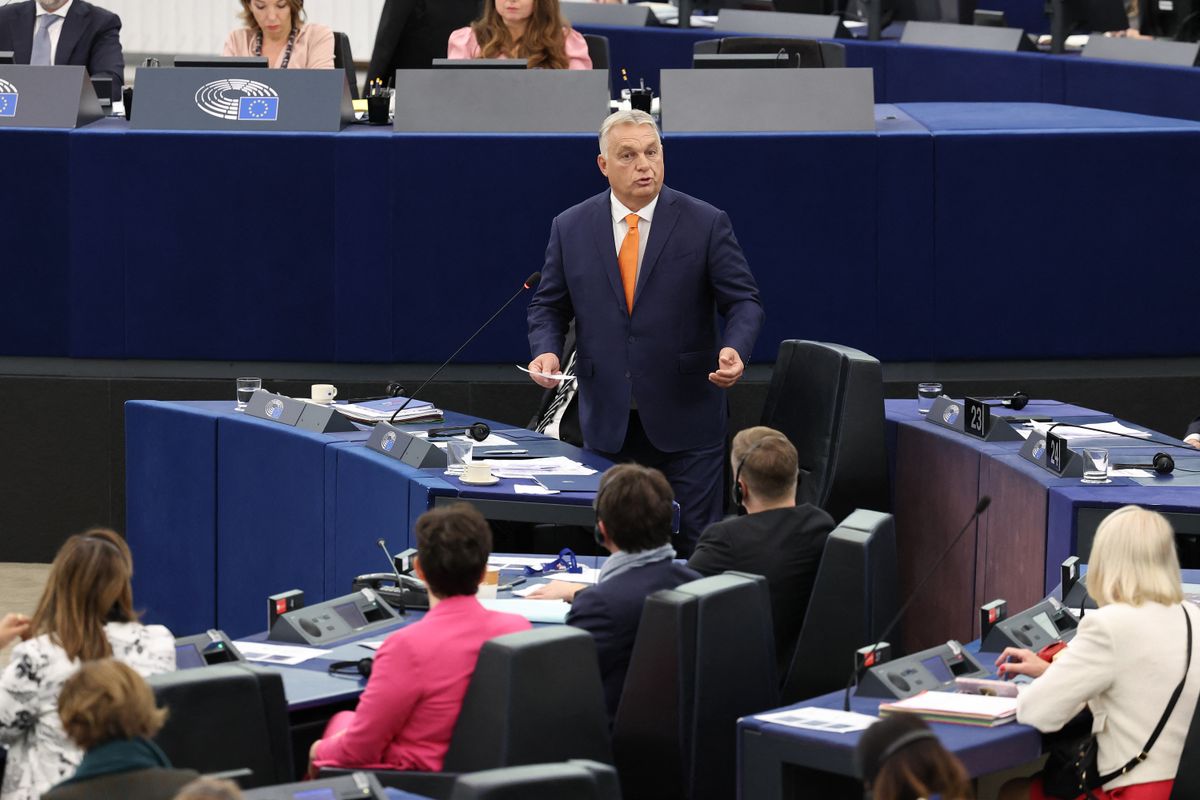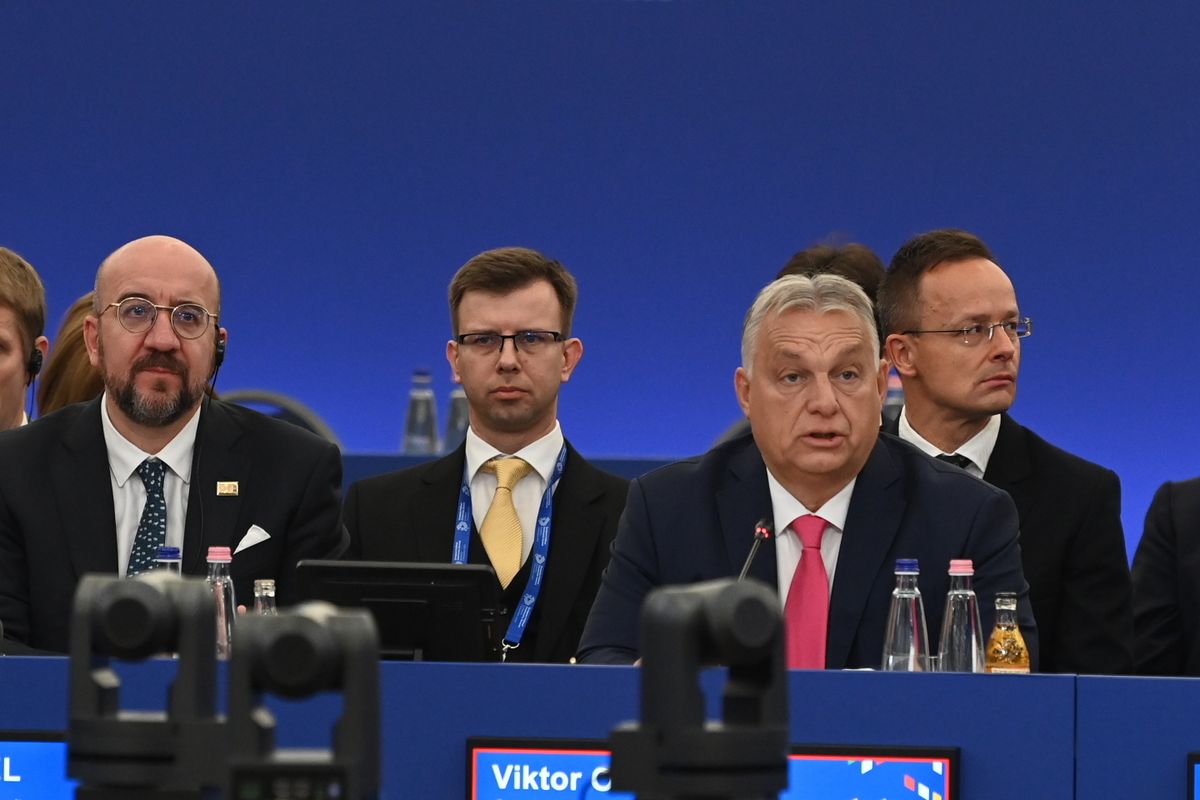
– The 2024 EP elections brought about fundamental change. The Patriots' faction is already the third-largest force in the European Parliament. Its formation marked the emergence of a genuine European alternative to the Brussels mainstream—one that is unapologetically right-wing, conservative, and sovereigntist. The Patriots' group has the potential to create a new political landscape in Europe. It could become the new point of reference in European politics and, within a few years, European politicians will likely define themselves either in collaboration with, or opposition to, the Patriots
Moreover, for the first time in the European Parliament’s history, self-identified right-wing parties now hold a majority on their own. The Patriots’ strength can be amplified through collaboration and coordination with the broader European right and through the consolidation of right-wing forces in Europe. This process, however, is only just beginning.
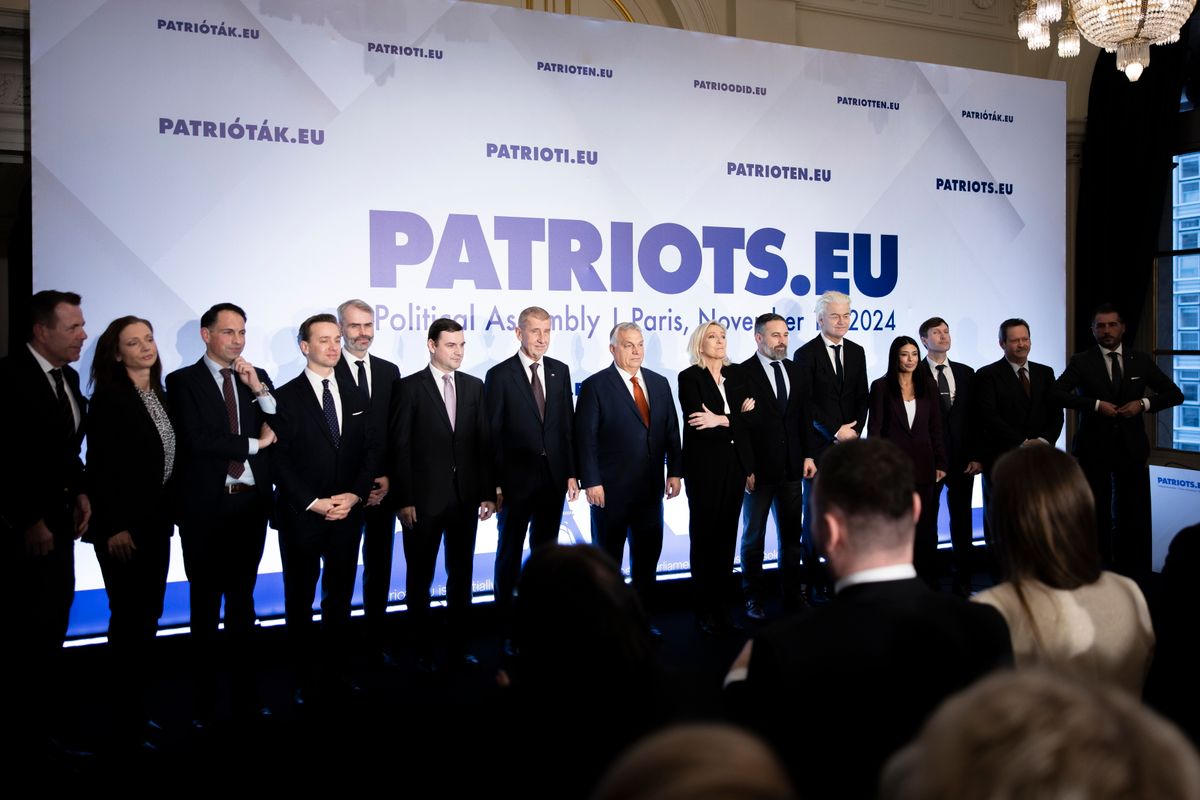
Naturally, Brussels' political elite was swift to close its ranks against this new challenge: the European People’s Party, Socialists and Liberals reorganized themselves with the external assistance of the and Greens, with this new bloc trampling parliamentary rules and norms in an attempt to isolate the Patriots behind a “sanitary cordon.” But their strategy is doomed to fail. The Patriots’ strength does not lie in Brussels’ institutional maneuvering but in their unique and credible representation of Europeans’ desire for change. The Brussels mainstream lacks both the will and the ability to enact change: the same players, mechanisms, interests, and ideologies persist. The Patriots, by contrast, are mobilizing the forces opposed to this status quo. They are not merely an opposition within the system; they represent an alternative to the system itself.
– What's your assessment of the achievements of Hungary’s EU presidency?
– Hungary’s presidency had character, it was active and had strategic thinking. It had character because, from day one, we were proud to present it as a Hungarian presidency. We aimed to demonstrate our unique thoughts and vision of the European Union, European integration, its institutions, and the challenges that Europe is facing. We made it clear that we offer distinct solutions, which diverge from the mainstream European approach. From the outset, we advocated for change and sought to be the voice and catalyst for that transformation. At no point did the Hungarian presidency abandon its role as an honest mediator. Nevertheless, we were determined to initiate change, even in the face of institutional resistance. Our presidency was active, with pioneering initiatives such as the first-ever EU ministerial conference on demographics, a unanimously adopted statement by agricultural ministers on the future of the Common Agricultural Policy, and the proposal for a Schengen summit. We kept these proposals on the agenda, even when they sparked heated debates. And Hungary’s presidency was strategic, because our goal was to chart a course for European institutions to follow over the next five years. This required a higher level of abstract, long-term strategic thinking. Looking at the Budapest Declaration, conclusions on the future of the Common Agricultural Policy, or the strategic guidelines for internal and justice cooperation—all adopted under our presidency—I believe we managed to rise to the challenge.