EU Law vs. National Authority
Once again, national sovereignty has come into conflict with EU guidelines, which hold that pricing distinctions based on license plates distort competition and unjustifiably discriminate among EU citizens. One question raised by critics is why Brussels has not instead urged other member states to lower their fuel prices to Hungarian and Slovak levels. Proponents of protected pricing argue that traditional market mechanisms fail in times of crisis. Energy security, they maintain, remains a national competence, and governments’ room for maneuver should not be curtailed when social stability is at stake.
Although the Financial Times reports that the current investigation focuses more on Slovak measures, the Commission is citing earlier Hungarian practices as precedent, linking the two cases both in the media and in legal debates.
What Happens If Hungary Gives In?
Opening discounted fuel prices to all drivers could have severe consequences. If motorists from neighboring countries once again flock to Hungarian stations en masse, a repeat of 2022 could follow:
- Supply disruptions: Immediate shortages in border regions
- Unsustainable costs: A surge in consumption could impose unbearable burdens on the state or market players
- Market distortions: Importers could withdraw again, further tightening supply
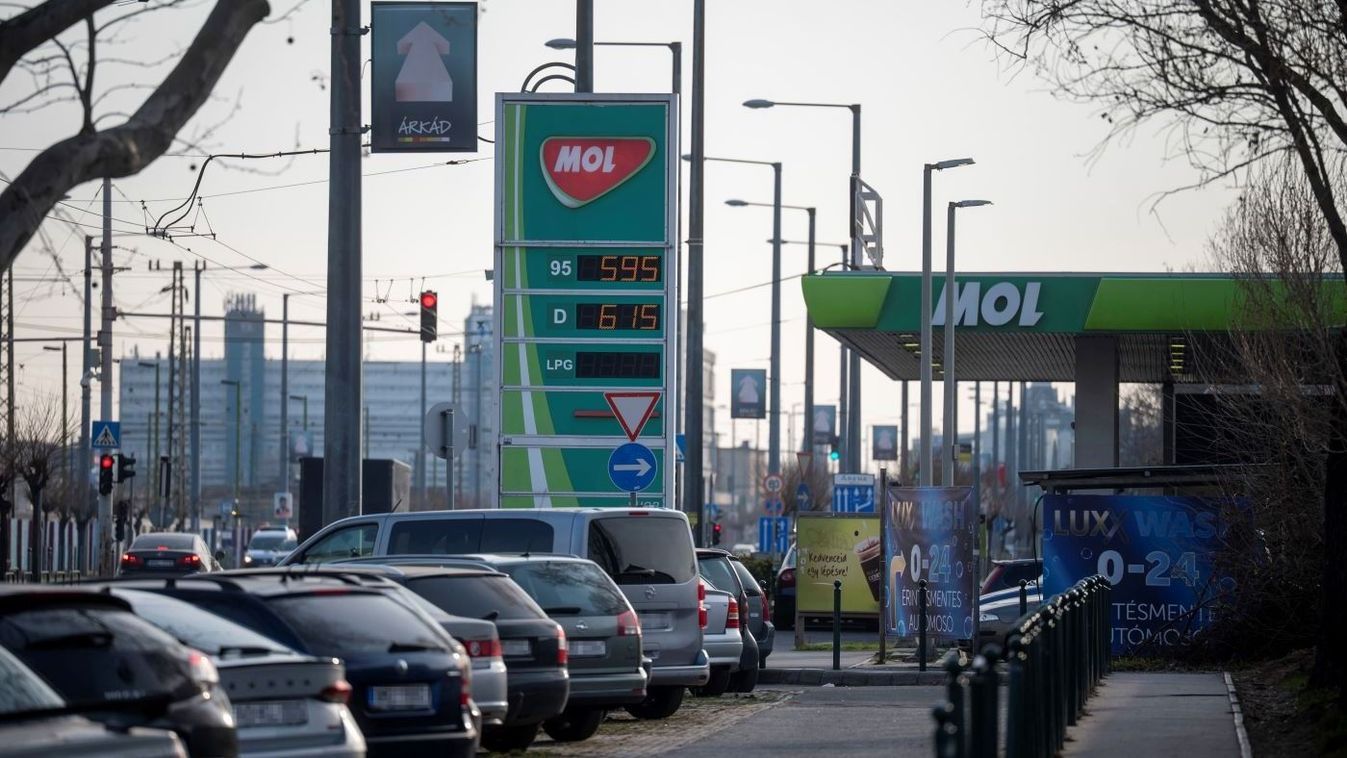
Data from 2022 clearly illustrate the gap between regulated and market prices. On the evening the price cap was lifted, gasoline prices jumped immediately to 641 forints per liter, while diesel rose to 699. According to figures from the Hungarian Central Statistical Office and the International Energy Agency, Hungarian fuel prices in 2023 remained persistently above the regional average, with gasoline hovering around 650 forints for months.