The quote suggests that perhaps the Swedes think exactly as my religious colleague, yet they’ve been “behaving” since childhood: don’t criticize, don’t judge, you know what you know, but avoid conflict and confrontation. And it may be that this very approach is the cornerstone of the famous Swedish diplomacy.
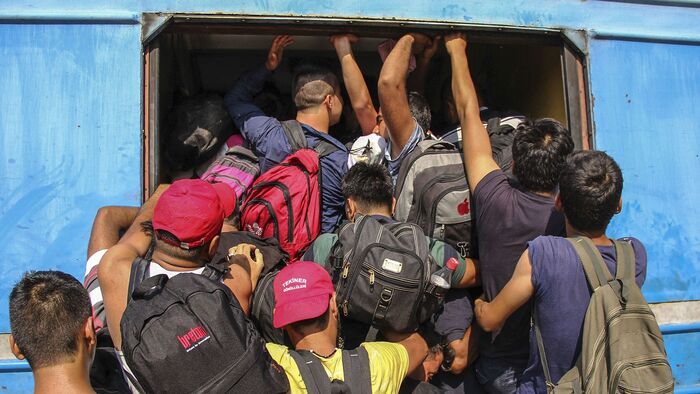
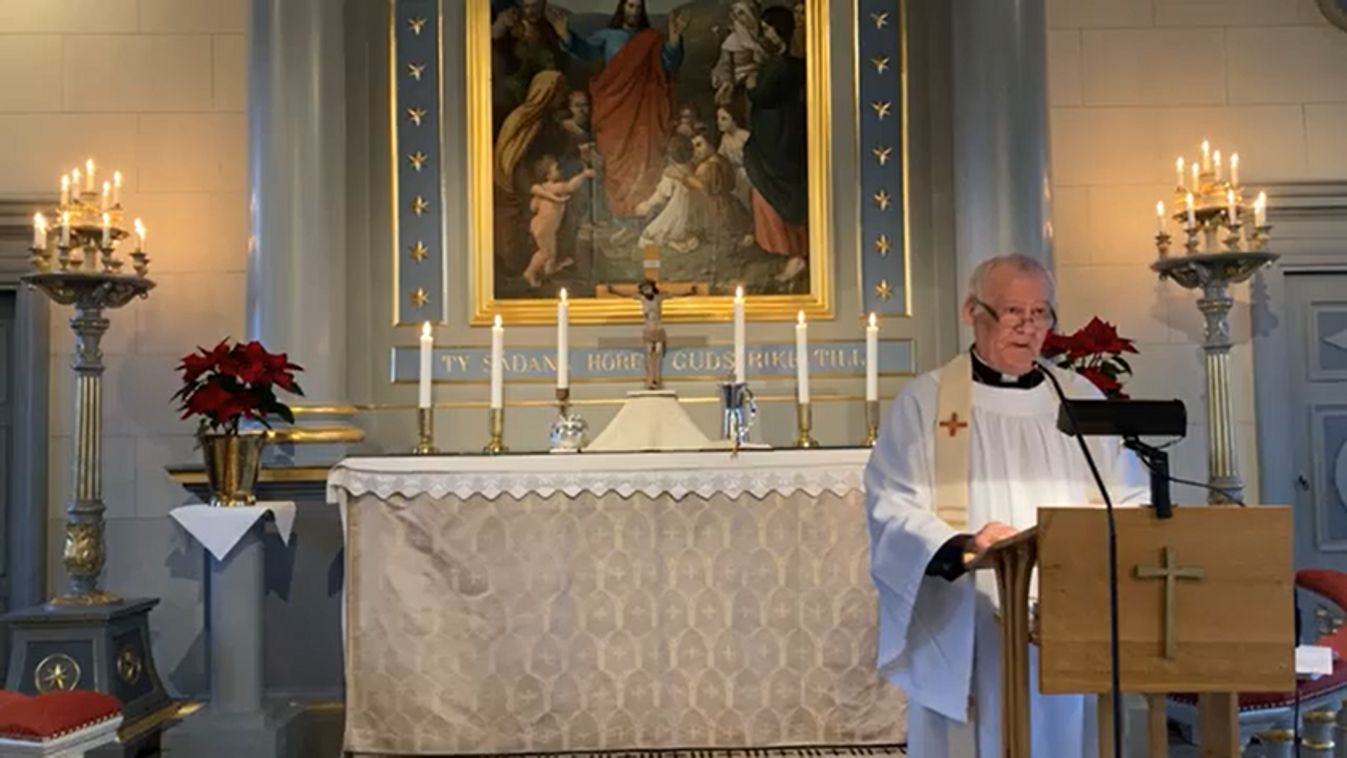
Over the last twenty years the Swedes (as well) use the term “månkulturelt land”, or “a multicultural country” to describe their homeland– mainly flooded by illegal immigrants. A presbytery of Iván Knézy’s congregation also defended this, justifying the need to initiate proceedings against their pastor in a TV interview. The presbytery interprets freedom of opinion quite one-sidedly, out of a sort-of compulsion to meet the current expectations of the Scandinavian mainstream.
The fact is that, despite their official separation, the Swedish state is still quite present in the church and its congregations. The presbyteries of the parishes are essentially divided according to parliamentary parties – in essence, when parishioners choose church elders, they are casting a vote for a political party. However, given that the Church of Sweden owns an inconceivable amount of wealth (forests, real estate, etc.) and importantly, is one of society’s largest employers, it is almost understandable that the state– and especially the government parties in power, don’t want to fully withdraw from these organizations originally intended for faith.
Lutheran theology pays the price however of this state and governmental involvement; it’s evidenced by the continuous dilution of the faith, an inevitable consequence of the media’s left- liberal ideology fully tolerated and accepted among the church pews.