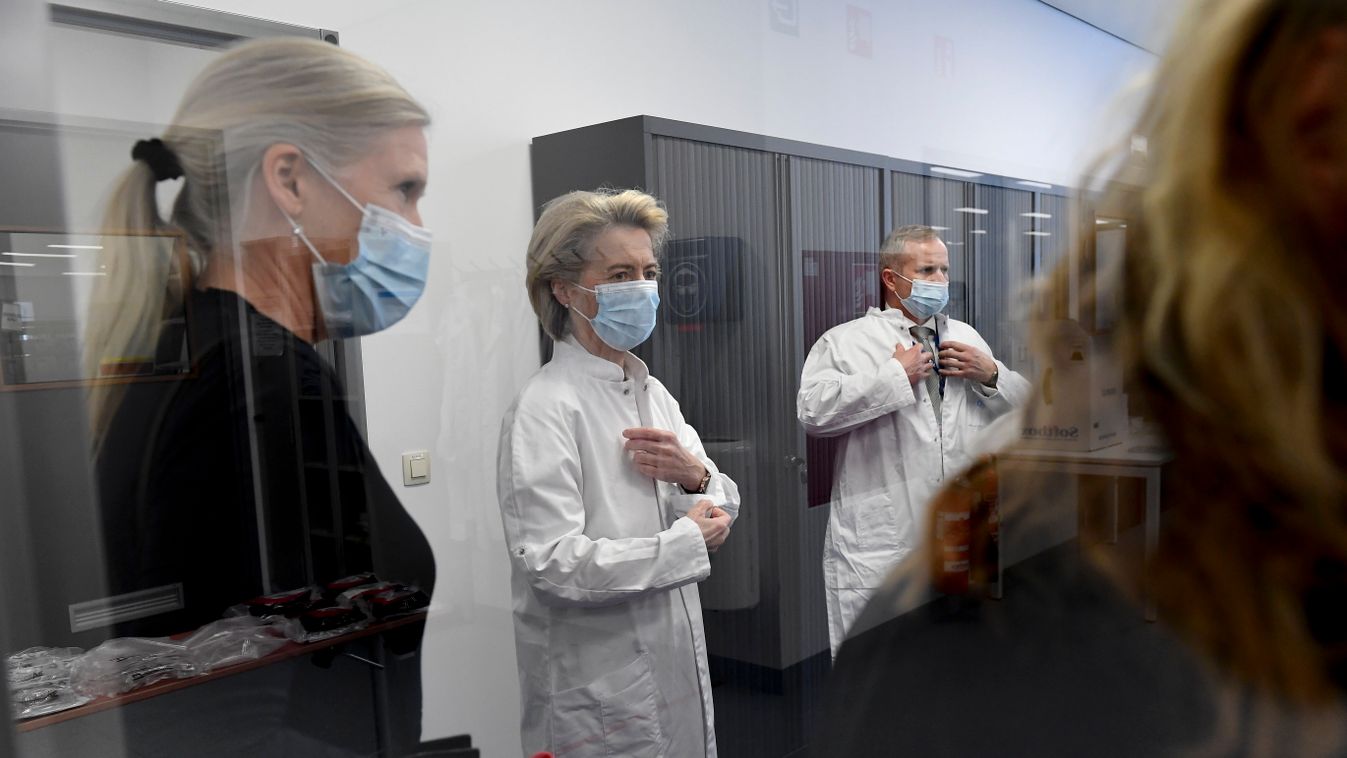
The EU ombudsman concluded that Ursula von der Leyen had deliberately obstructed her work by claiming not to have found any text message between the Commission president and Bourla. It later emerged that allegedly only internal document registers and not text messages were reviewed, saying they were too short-lived and therefore do not fall under EU law on the retention of policy documents.
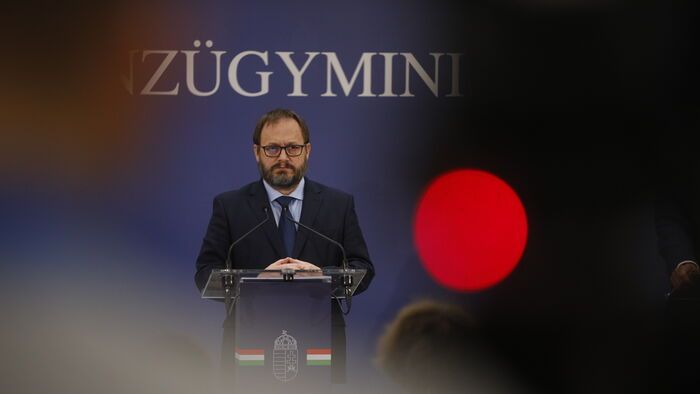
Vera Jourova, the anti-Hungarian EU commissioner who was previously also suspected of corruption, defended Ursula von der Leyen reiterating the short-lifed, transitory nature of text messages.
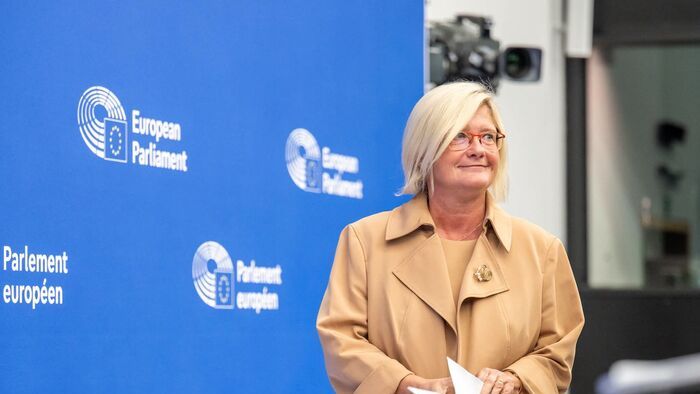
However, European Ombudsman Emily O'Reilly upheld the view that the conduct of the Commission members failed to comply with the transparency required by EU rules, and no comprehensive inquiry into the case had been carried out.
The European Commission president defended herself by saying that she was not involved in the negotiations, therefore the messages did not affect the course of the deal. It is no coincidence that Ursula von der Leyen tried to downplay the importance of the exchanged text messages, as the EU incurred financial losses as a result of the procurement of Pfizer vaccines. Under the mega-deal with the American Pfizer and the German BioNTech, Brussels agreed to purchase 900 million doses worth $35 billion between the end of 2020 and 2023, with an option for another 900 million doses.