Trump Declares The War Over, But Iran Can Set Middle East Ablaze At Any Moment

Although President Donald Trump on Friday declared the armed conflict in the Middle East over, peace talks have reached a stalemate. The blockade of the Strait of Hormuz remains in place, the U.S. Navy has not withdrawn from the region, and an energy expert interviewed by the Hungarian Origo news site says the risk of renewed military escalation cannot be dismissed.

2026. 05. 03. 14:21
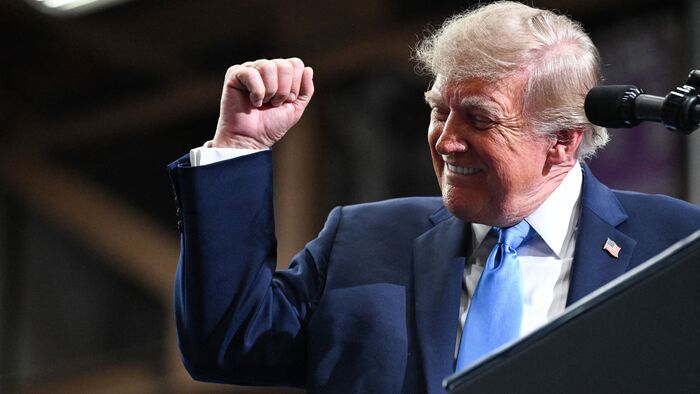
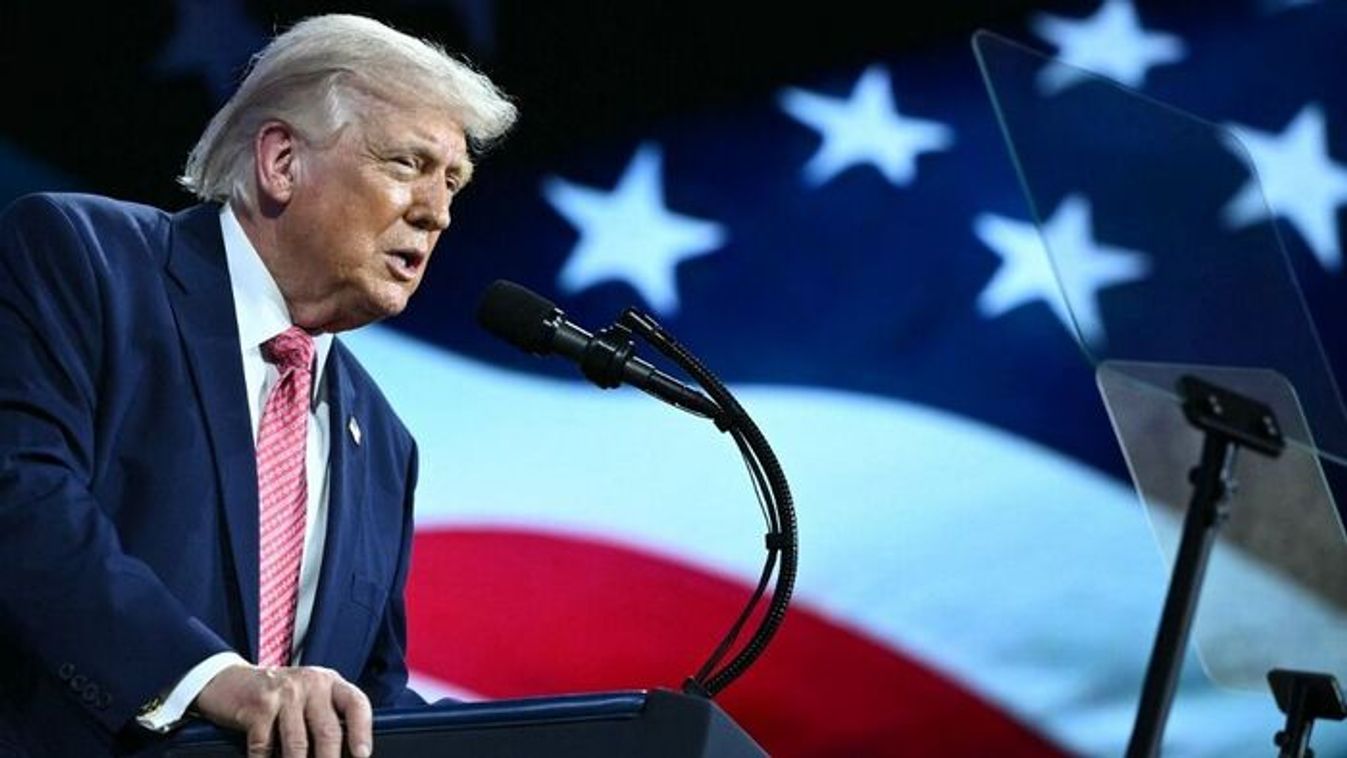
President Donald Trump (Photo: AFP)
VéleményhírlevélJobban mondva - heti véleményhírlevél - ahol a hét kiemelt témáihoz fűzött személyes gondolatok összeérnek, részletek itt.

Iran would leave nuclear issues for the second phase of negotiations, and the proposal entirely omits the question of Iran’s ballistic missile program.

That is definitely negative, and it is the point regarding the Iranian proposal where Trump said he was dissatisfied.

According to the expert, the outcome of the coming days is uncertain, and both an escalation of the conflict and the reopening of the Strait of Hormuz remain possible. Regarding Trump’s Friday announcement, Laszlo Csicsmann noted that the United States may wage war for sixty days without congressional authorization — although the president had previously said a ceasefire had been in effect since April 7.

Iranian media expect another U.S.-Israeli attack in the coming weeks. According to the analyst, Washington currently has two options: continue airstrikes, or seize control of several islands in the Strait of Hormuz and use that position to force the passage of ships. Both options carry major risks, as Iran has threatened retaliatory measures should the Iranian-American ceasefire collapse. As previously reported, Iranian state television in late April identified targets in neighboring countries that it would strike if fighting resumes.

The list includes the Middle East’s most important oil and gas fields, as well as processing hubs — meaning Iran would be willing to strike at the global economy as a whole.

Moreover, if hostilities resume, Yemen’s Houthi movement could also join the conflict, for example by blockading Bab el-Mandeb, the entrance to the Red Sea. The expert expects the Middle East crisis to drag on and fears Iran may carry out its earlier threats.

We have already seen that when there was a U.S.-Israeli attack, Iran responded with strikes hitting several oil and natural gas fields, refineries, pipelines in the region, and even ports in Saudi Arabia that are vital for oil and gas trade.

The key question now is whether Iran still has sufficient military capacity to carry out such an operation. Iran’s military has drones in large numbers, since they are cheap to produce. However, it likely has far smaller stockpiles of ballistic missiles. Still, signs suggest it may have used the ceasefire period to try to dig up missiles buried underground.

The Iranians are likely preparing for a continuation of the war, and they could very easily set the region ablaze,

– he said. This article is to be continued; click here for the full interview.

Cover photo: President Donald Trump (Photo: AFP)

Komment

Összesen 0 komment

A kommentek nem szerkesztett tartalmak, tartalmuk a szerzőjük álláspontját tükrözi. Mielőtt hozzászólna, kérjük, olvassa el a kommentszabályzatot.


Jelenleg nincsenek kommentek.

Szóljon hozzá!

Jelenleg csak a hozzászólások egy kis részét látja. Hozzászóláshoz és a további kommentek megtekintéséhez lépjen be, vagy regisztráljon!

A téma legfrissebb hírei

Tovább az összes cikkhez chevron-right

Ne maradjon le a Magyar Nemzet legjobb írásairól, olvassa őket minden nap!

Google News
A legfrissebb hírekért kövess minket az Magyar Nemzet Google News oldalán is!

Címoldalról ajánljuk

Tovább az összes cikkhez chevron-right

Portfóliónk minőségi tartalmat jelent minden olvasó számára. Egyedülálló elérést, országos lefedettséget és változatos megjelenési lehetőséget biztosít. Folyamatosan keressük az új irányokat és fejlődési lehetőségeket. Ez jövőnk záloga.