Oil Game: Druzhba Oil Pipeline Was Suddenly “Repaired” After the Elections

Ukraine has completed the repairs, and crude oil deliveries through the Druzhba pipeline may soon resume. Zoltan Koskovics, a geopolitical analyst at the Center for Fundamental Rights, emphasized that hard geopolitical interests and political calculations may have been at work behind the scenes.

2026. 04. 23. 13:33
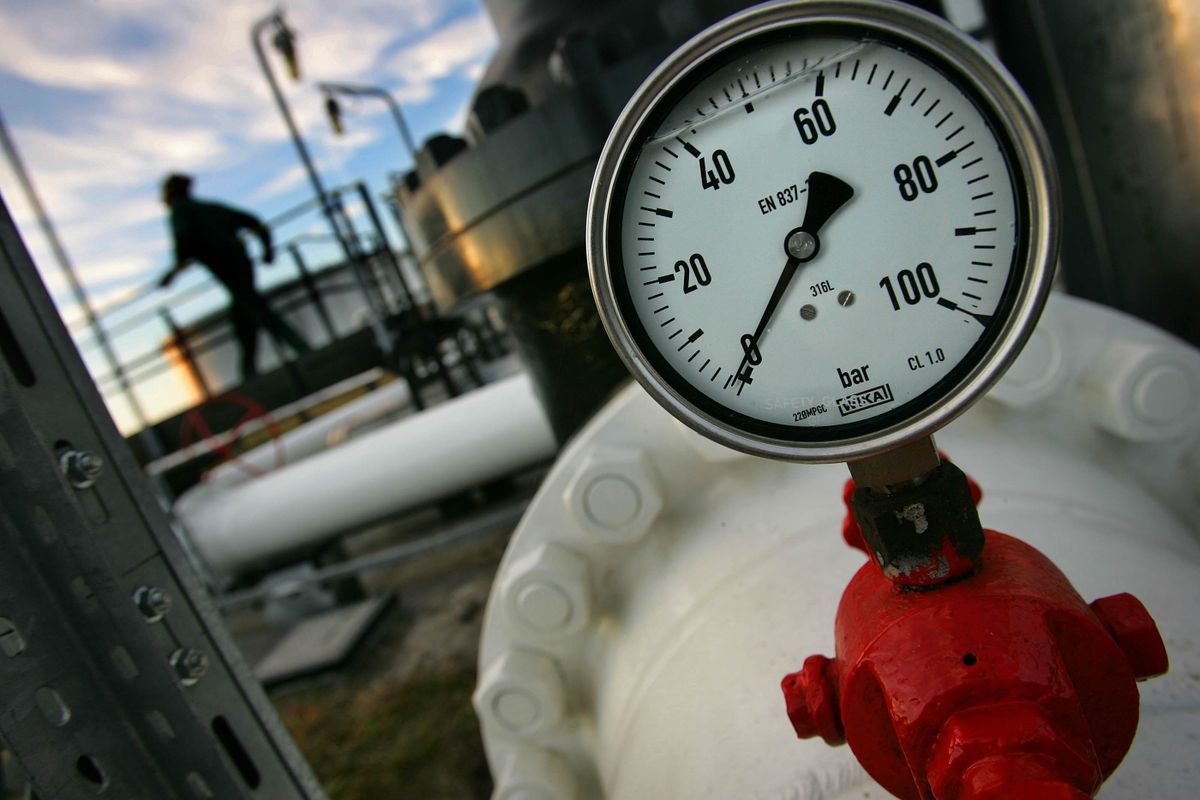
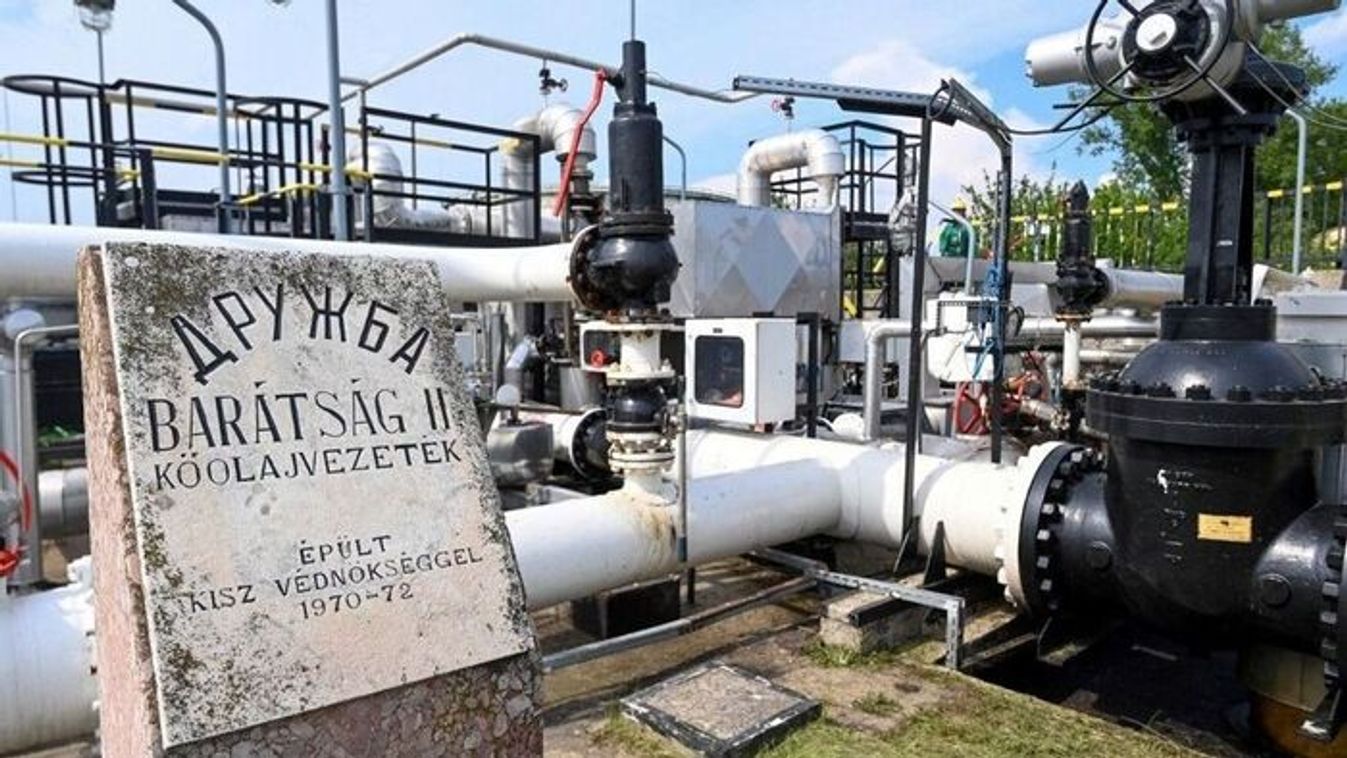
The Druzhba oil pipeline (Photo: AFP)
VéleményhírlevélJobban mondva - heti véleményhírlevél - ahol a hét kiemelt témáihoz fűzött személyes gondolatok összeérnek, részletek itt.

Earlier, Viktor Orban indicated that if deliveries resume, Hungary will not block the approval of the EU military loan intended for Ukraine. Ukraine suspended transit at the end of January, and the restart is not independent of the upcoming European Union decision. According to industry sources, the pumps are expected to be switched on Wednesday afternoon.

So Viktor Orban was right all along: Ukraine did not repair the Druzhba pipeline for political reasons, but after the elections the repairs suddenly became urgent.

From beginning to end, the oil game by Kyiv and Brussels was a cynical performance anyone could see through,

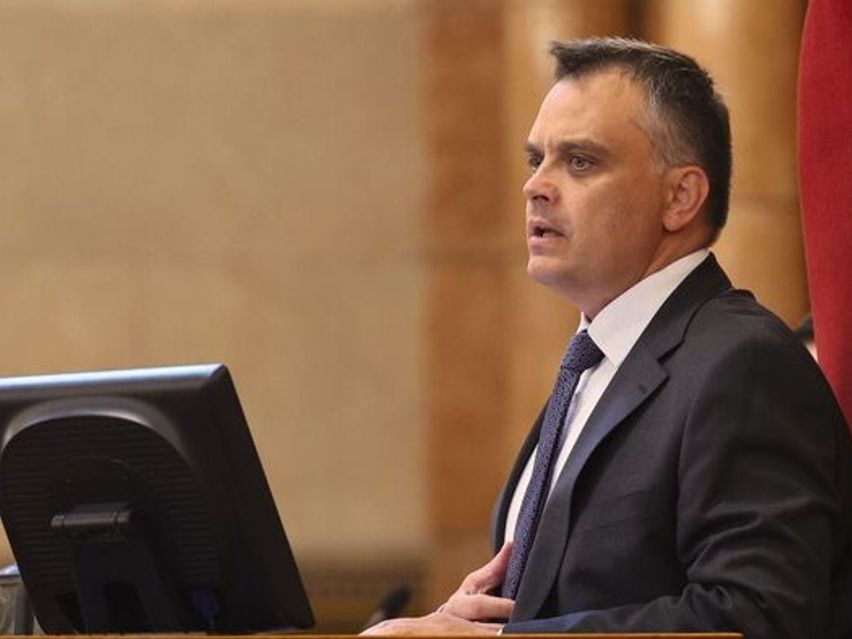
Zoltan Koskovics, geopolitical analyst at the Center for Fundamental Rights, told Magyar Nemzet.

The expert believes it is even questionable whether the pipeline suffered any serious damage at all.

Ukraine did not delay repairing the Druzhba oil pipeline, because there may not have been much need for it. We know this because no fact-finding mission was allowed near the site. Ukraine did not permit inspection by the Hungarian government’s expert team, which could perhaps be understandable from the Ukrainian side, but even an EU fact-finding team was refused permission to go near the allegedly damaged section of Druzhba. There is only one explanation: either the pipeline was never damaged, or it suffered only minor damage that was quickly fixed,

he pointed out.
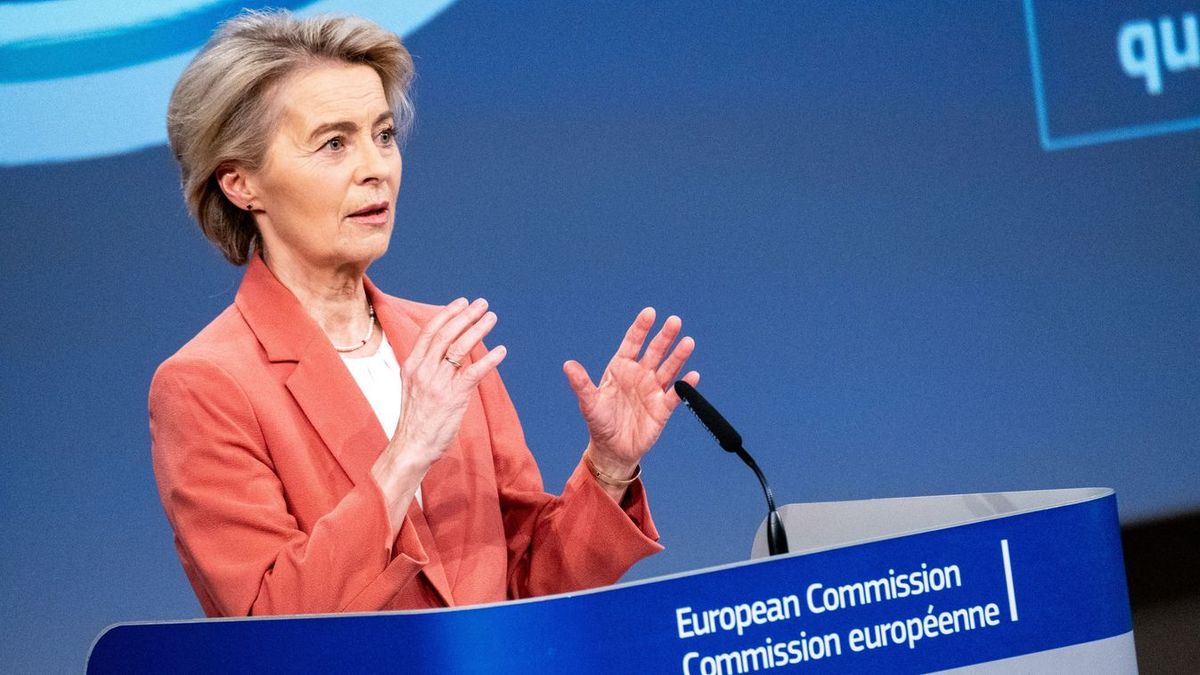
Ursula von der Leyen, President of the European Commission (Photo: Hans Lucas/AFP/Martin Bertrand)

Friendship or blackmail?

Brussels must also have been aware of all this, the expert noted.

Brussels covered for this blackmail because they hoped that shutting down the Druzhba pipeline would play a decisive role in the Hungarian election process, but in the end it did not.


The Druzhba (Friendship) oil pipeline is one of the longest and most significant pipeline networks in the world, operating since 1964 and transporting crude oil from Russia to Central and Eastern Europe over more than 4,000 kilometers.

Zoltan Koskovics argued that  the shutdown of the pipeline was deliberate pressure.

They tried to use the Druzhba pipeline as a tool to trigger an energy crisis in Hungary. They calculated that there were reserves sufficient for 90 days, and they shut down the pipeline exactly that long before the elections.

He added that thanks to the preparedness of the Hungarian government, no supply disruption ultimately occurred.

Regardless, this was a brutal and underhanded attempt to interfere in the Hungarian election process.

EU sanctions backfire

The expert also warned that current developments go beyond the Druzhba pipeline.

This is no longer about the Druzhba pipeline but about the war in the Middle East, and a physical crude oil shortage is emerging in Europe, the signs of which are already visible. Even Druzhba could not supply enough oil to prevent this, it could only mitigate it.

Photo: Andras Peter Nemeth

According to Zoltan Koskovics, geopolitical power balances are also shifting. Russia currently holds the advantage, and it has announced that from May, it will not allow Kazakh oil to pass through the other branch of the Druzhba pipeline.

According to Russian plans, Europe will be cut off from Russian gas and oil. The sanctions policy will be reversed: it will no longer be about Europe not buying Russian energy, but about Russia not selling to Europe,

the expert emphasized.

Hungary and Slovakia are exceptions in this respect, but a pro-Brussels government led by Peter Magyar can only delay this outcome. With a moderate approach, Russia could wait a long time before cutting Hungary off from energy as well,

Zoltan Koskovics concluded. The issue of energy security will remain one of the most critical front lines of European politics.

Cover photo: The Druzhba oil pipeline (Photo: AFP)

Komment

Összesen 0 komment

A kommentek nem szerkesztett tartalmak, tartalmuk a szerzőjük álláspontját tükrözi. Mielőtt hozzászólna, kérjük, olvassa el a kommentszabályzatot.


Jelenleg nincsenek kommentek.

Szóljon hozzá!

Jelenleg csak a hozzászólások egy kis részét látja. Hozzászóláshoz és a további kommentek megtekintéséhez lépjen be, vagy regisztráljon!

A téma legfrissebb hírei

Tovább az összes cikkhez chevron-right

Ne maradjon le a Magyar Nemzet legjobb írásairól, olvassa őket minden nap!

Google News
A legfrissebb hírekért kövess minket az Magyar Nemzet Google News oldalán is!

Címoldalról ajánljuk

Tovább az összes cikkhez chevron-right

Portfóliónk minőségi tartalmat jelent minden olvasó számára. Egyedülálló elérést, országos lefedettséget és változatos megjelenési lehetőséget biztosít. Folyamatosan keressük az új irányokat és fejlődési lehetőségeket. Ez jövőnk záloga.