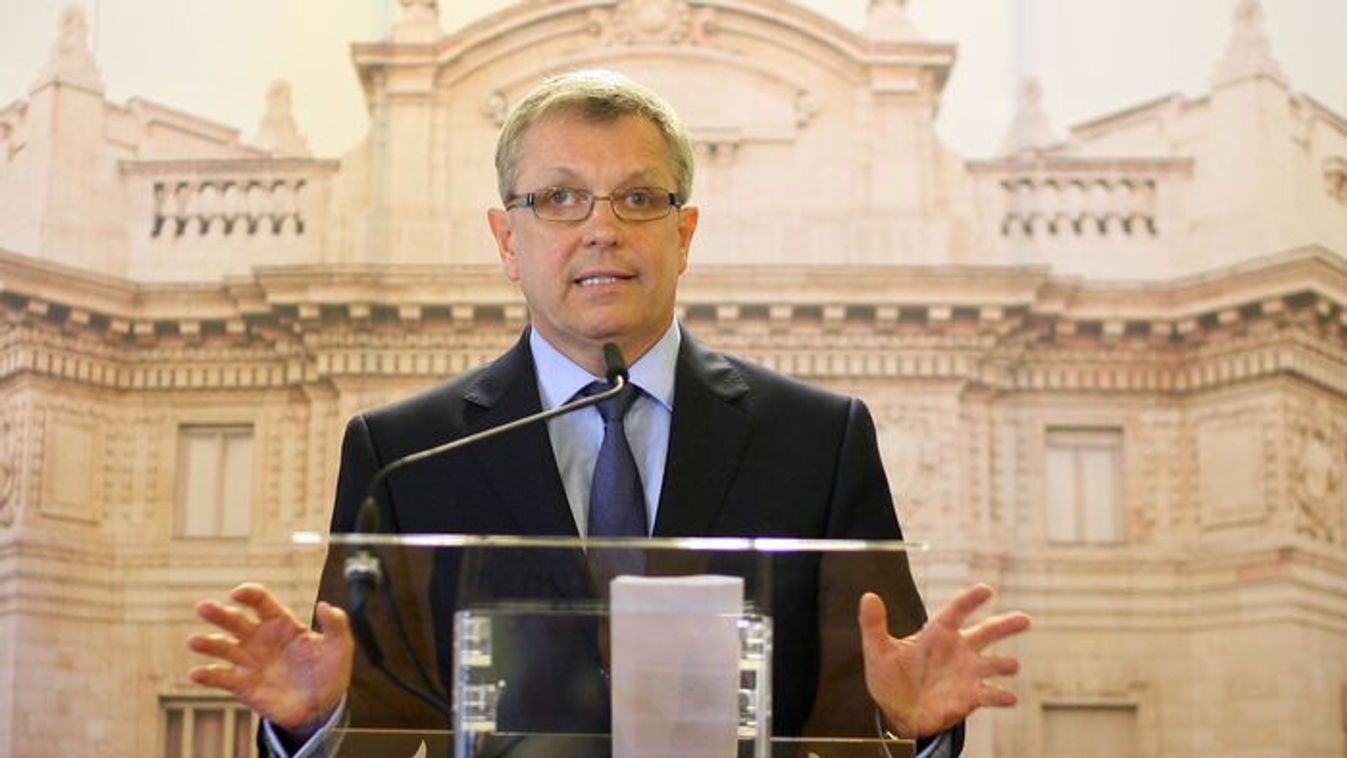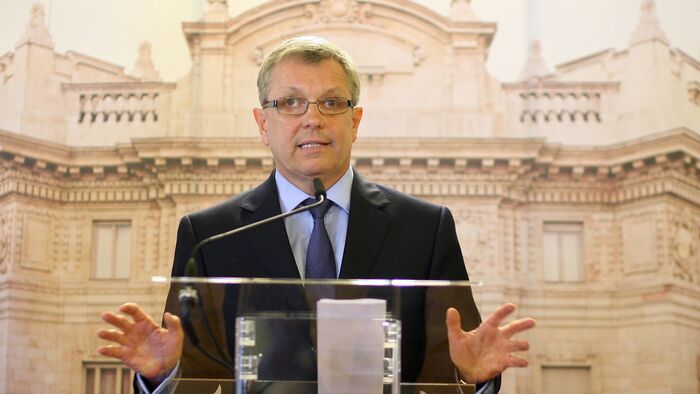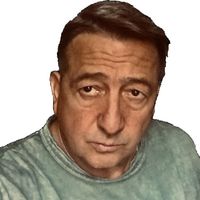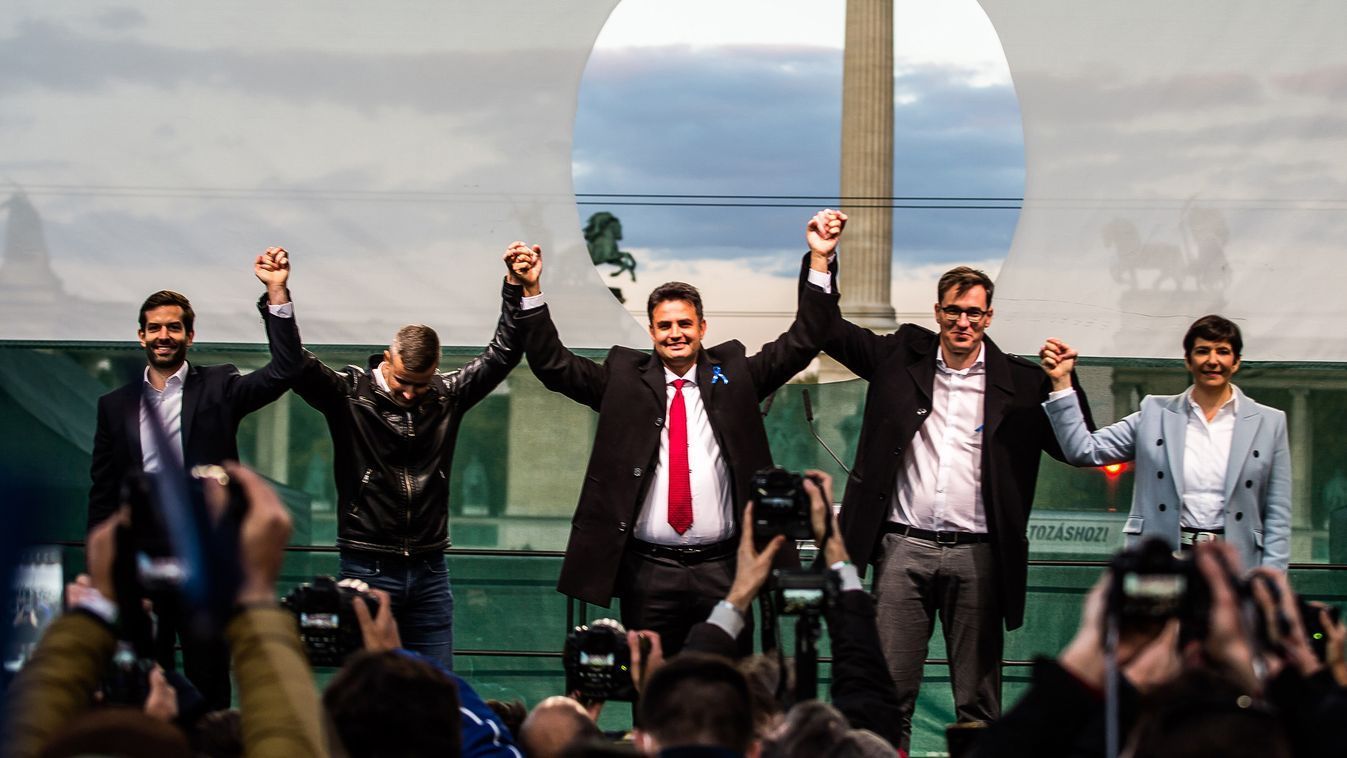
By late March 2022, Ferenc Gyurcsany, then head of the Democratic Coalition, was fanning the flames of war sentiment fiercely, saying
you'll become worthless people or you'll die.
"Which would you choose? This is the option Orban leaves to you. We avert our eyes from the death and humiliation of thousands, millions because if we don't, if we help, we’ll invite Satan’s revenge and die ourselves," he said. He went on saying "According to Orban, the price of our lives is sin. We must become rotten scum in order to live." According to Gyurcsany, “every Hungarian who refuses to die for Ukraine is a rotten person.”
Militant Momentum
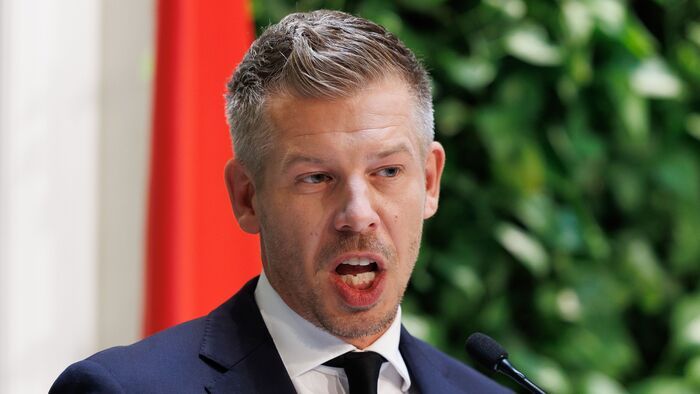
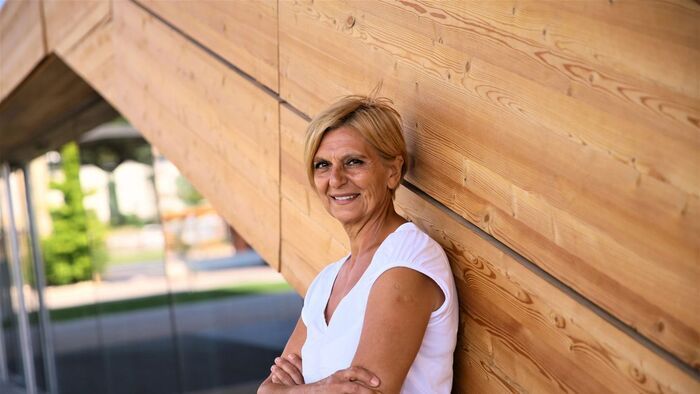
Momentum also took its share in war-mongering. From the outset of the conflict, the liberal party demanded that Hungary send weapons and even troops to the front lines.
It’s clear that NATO must help Ukraine by providing the weapons it needs to win this war,
said then MEP Katalin Cseh in March 2022. Similar sentiments were expressed by Andras Fekete-Gyor and Daniel Berg. The latter specifically urged the delivery of military gear to Ukraine and demanded that arms shipments be allowed to pass through Hungary.
Notably, in November 2022, Momentum politicians traveled to Kyiv "as a symbol of support for Ukraine” and to show that "Hungary is not the same as Viktor Orban". Marton Tompos stated the trip was organized with help from Istvan Balog, chargeé d'affaires at the Ukrainian Embassy in Budapest, and based on existing connections from past events and conferences.
Momentum was not alone. Budapest’s Mayor Gergely Karacsony, from the Parbeszed (Dialogue) party, also made it to Kyiv,
where he met not only Mayor Vitali Klitschko but also senior Ukrainian officials, the mayor of Bucha, and top EU diplomats.
Jobbik’s U-Turn
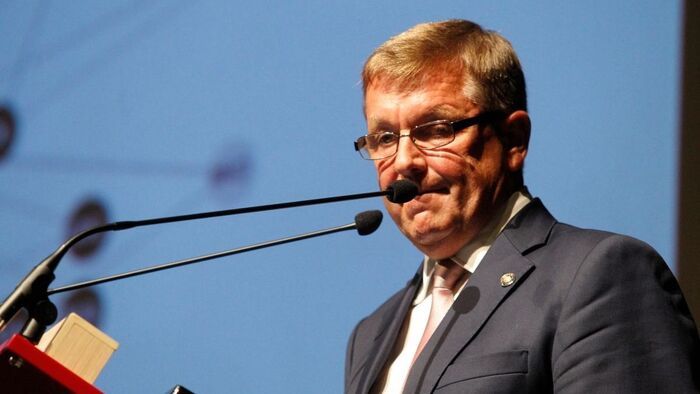
The sharpest reversal came from Jobbik. Marton Gyongyosi, who was elected party leader in the summer of 2022, was previously known for his pro-Russian stance. After Crimea’s annexation, he visited Moscow and stated that
his party saw the West, not Russia as the aggressor in Ukraine,
insisting that Moscow merely protected Russian minorities. Jobbik's foreign policy expert described the 2014 referendum that paved the way for Russia's annexation of Crimea as a triumph of self-determination.