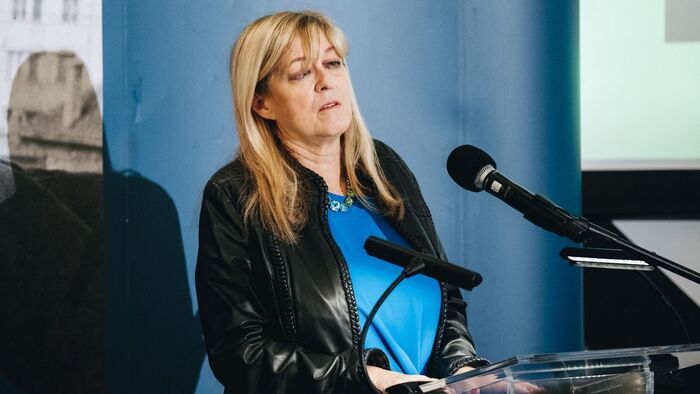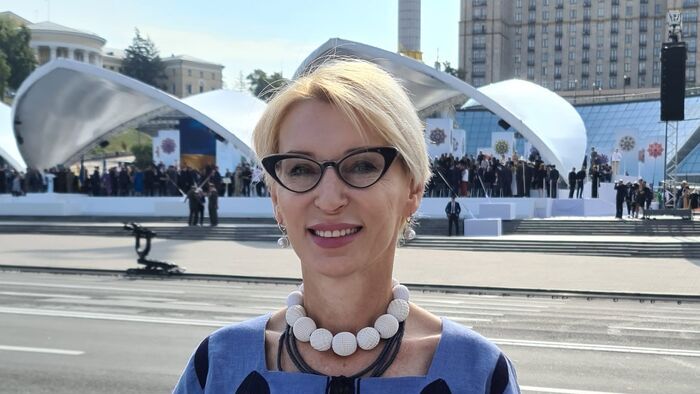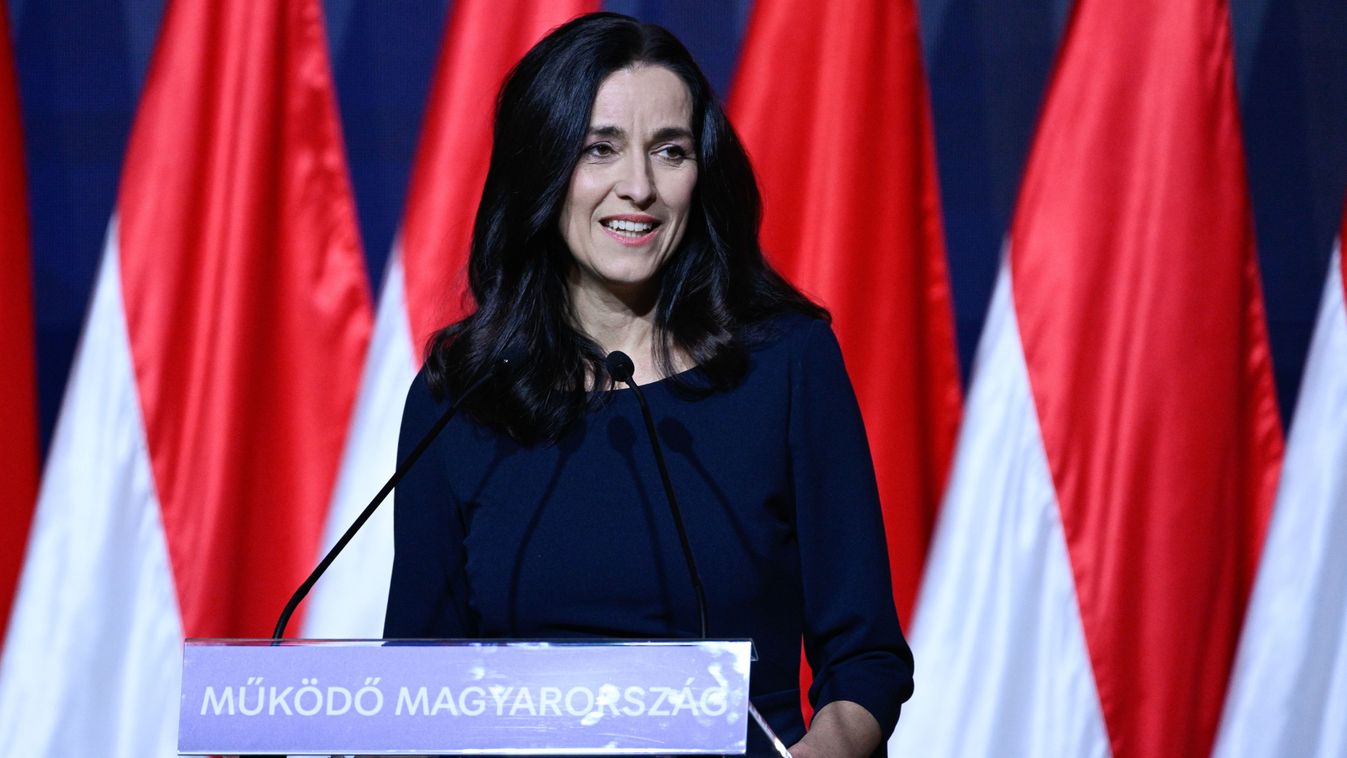
By that time Anita Orban was already a vice president at Tellurian, so it was no surprise that she moderated the panel titled The Gas Market Before Production, which focused specifically on the medium-term development plans of the Ukrainian gas industry.
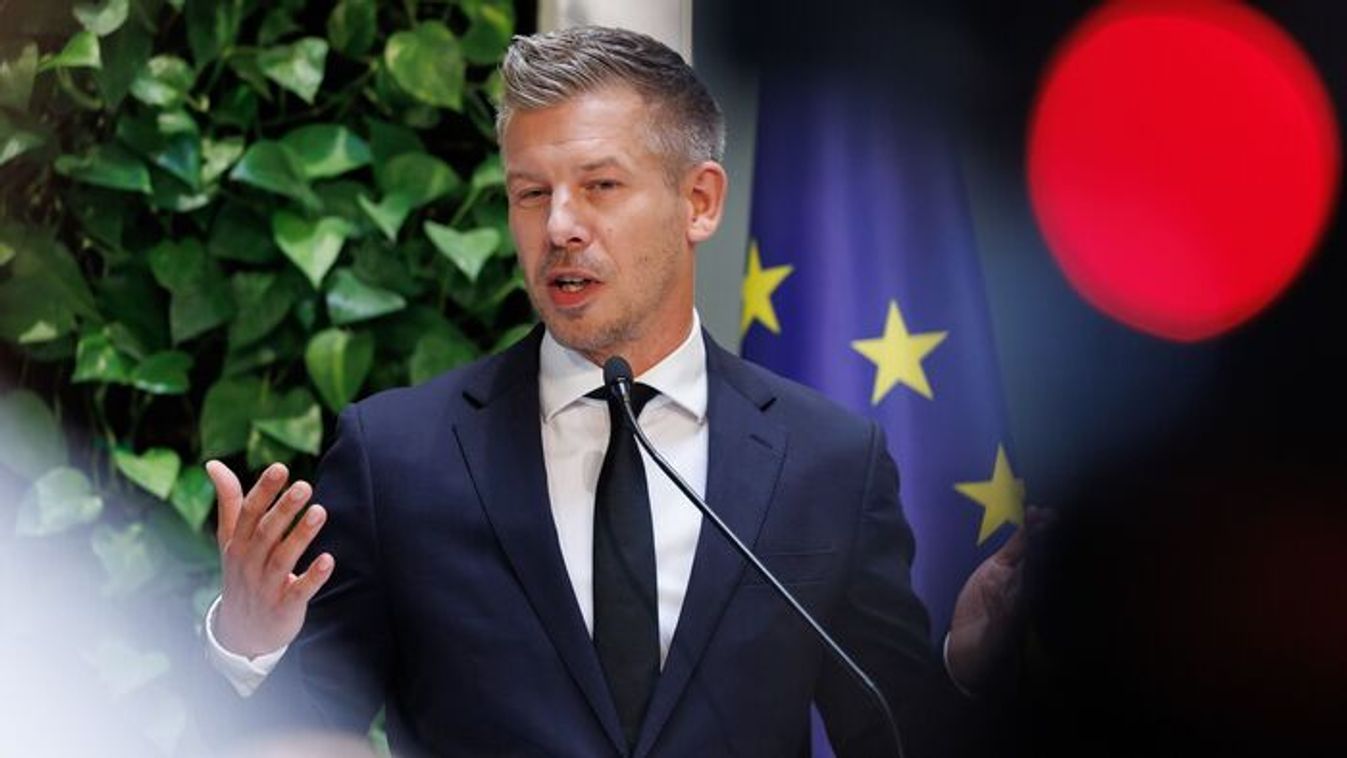
Peter Magyar’s adviser not only lobbied for LNG there, but also stood up for Ukrainian interests, Ellenpont emphasized.
She urged Kyiv to break away from Russian gas, in practice repeating almost word for word the theses of American Democratic circles.
Ukraine took Anita Orban’s advice, and now it also wants to forcibly cut Hungary off from all Russian energy carriers. The Druzhba oil pipeline was shut off, and TurkStream was attacked last week. Peter Magyar, Anita Orban, and Tisza Party did not say a single word in response to these steps threatening Hungary’s energy supply.
She Built Her Entire Career on Dismantling Utility Price Cuts and Standing Up for Ukraine
As Ellenpont also reported earlier, in 2014 Anita Orban spoke in Washington before members of the US Congress, where she asked the body to authorize exports of liquefied natural gas.
In her strongly biased speech, she claimed that no other pipeline gas alternative was currently available and that the most realistic solution would therefore be access to the LNG market. She added that, in her view, only this source could provide adequate quantities for Central and Eastern Europe.