24.hu reports that Ukrainians are sending a liaison linked to the Soros network to Budapest who may oversee Peter Magyar’s activities. The key figure, with a diplomatic background, could arrive in the Hungarian capital the day after the election. According to the Mandiner news portal, expectations are clear: support sanctions against Russia, advance Ukraine’s EU accession, and ensure the transfer of Hungarian resources.
The report also notes that commonly used diplomatic phrases may carry different meanings. “Strengthening political work below the surface” may refer to activities conducted behind the scenes and harder to track, while “expanding staff” refers to increasing embassy personnel. The report details the diplomat’s expected tasks, leaving little doubt about their direction:
A reinforced embassy will prioritize lifting the blockade on the 90-billion-euro EU loan and securing approval of the 20th sanctions package (…) with the ultimate goal of Ukraine’s accession to the European Union.
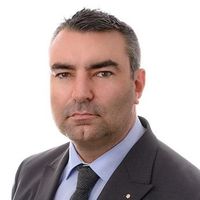
According to reports, Dmytro Tuzhanskyi is a Ukrainian political scientist who has long analyzed Hungarian–Ukrainian relations.
He previously worked as a political adviser to Andriy Sybiha and regularly publishes on various international and domestic platforms.
His writings and appearances have been featured in outlets such as Newsweek, the Atlantic Council, New Eastern Europe, as well as Hungarian publications HVG and Atlatszo. Tuzhanskyi is best known as co-founder and director of the Institute for Central European Strategy in Uzhhorod, where he focuses on political processes in Central Europe, particularly regional cooperation and Hungarian–Ukrainian relations. In a June 2024 BBC interview, he spoke positively about Peter Magyar’s emergence, describing him as an “unexpected phenomenon,” a kind of “black swan.”
He suggested that Magyar’s rise in some ways resembles that of Volodymyr Zelensky, who also achieved an unexpected electoral victory.
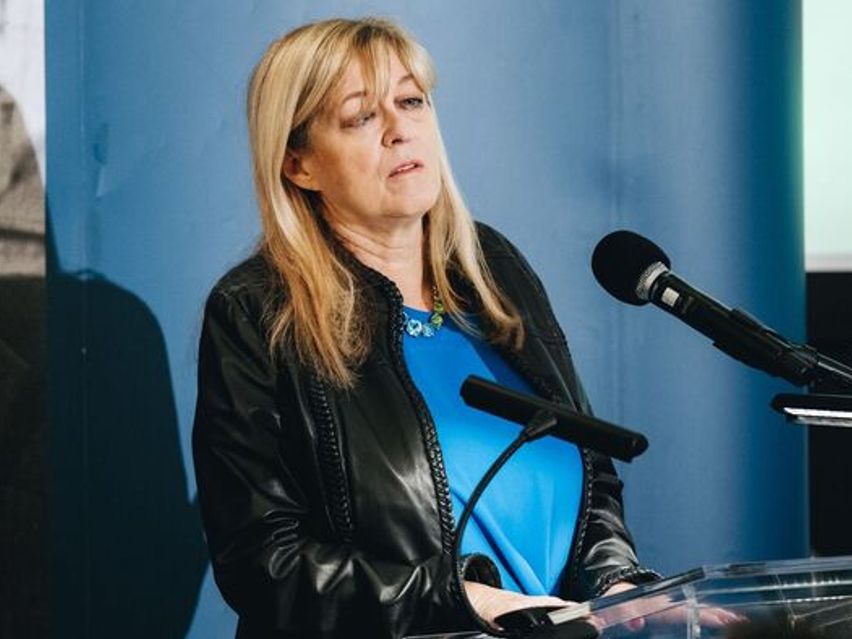
Ukrainian political scientist Dmytro Tuzhanskyi has long analyzed Hungarian–Ukrainian relations (Photo: AFP)
Az Institute for Central European Strategy
According to Mandiner, Hungary also plays a prominent role in the communications of the Institute for Central European Strategy (ICES). Based on content shared on its platforms, the institute has repeatedly addressed Hungarian audiences directly.
One of its open letters, for example, was addressed “To the Hungary of Sandor Petofi and Imre Nagy,” in which it expressed views on Ukraine’s language law and highlighted Ukraine’s EU and NATO accession efforts.
The document concluded with the slogan “Go Hungary! Slava Ukraini!” Among the signatories was Oleksandr Sushko, listed as executive director of the International Renaissance Foundation. The outlet notes that Sushko leads the Kyiv-based Renaissance Foundation established by George Soros in 1990.
According to the article, Sushko also signed another open letter thanking Slovak society for approximately $3.5 million raised for ammunition purchases.
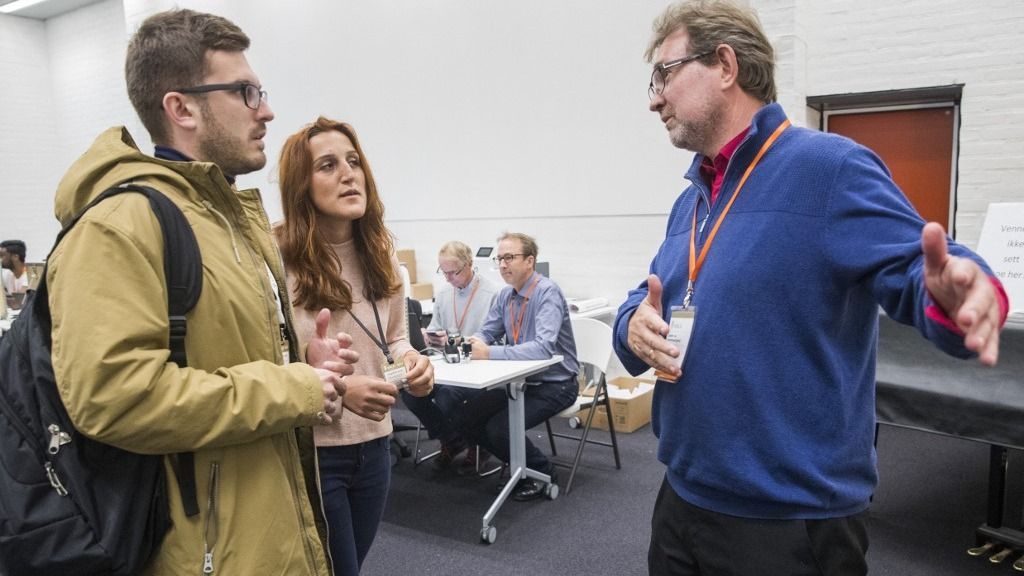
Az At a re:open event organized by the Uzhhorod-based institute, several notable figures appeared
According to reports, the November 2024 event was supported by the International Renaissance Foundation, founded by George Soros and headed by Oleksandr Sushko. Sushko also attended the event as an invited guest. Among those present was András Rácz, a frequent commentator on foreign policy who, according to some views, consistently represents the Ukrainian position. Several of his previous statements have generated significant attention in Hungarian public life. According to Mandiner, he was the ‘analyst’ who last year caused controversy with a confusing post suggesting that the Hungarian government may have been involved in an attack on a Hungarian church in Transcarpathia.
Earlier, he defended the Ukrainian state in the case of Jozsef Sebestyen, who was beaten to death by Ukrainian soldiers during forced conscription.
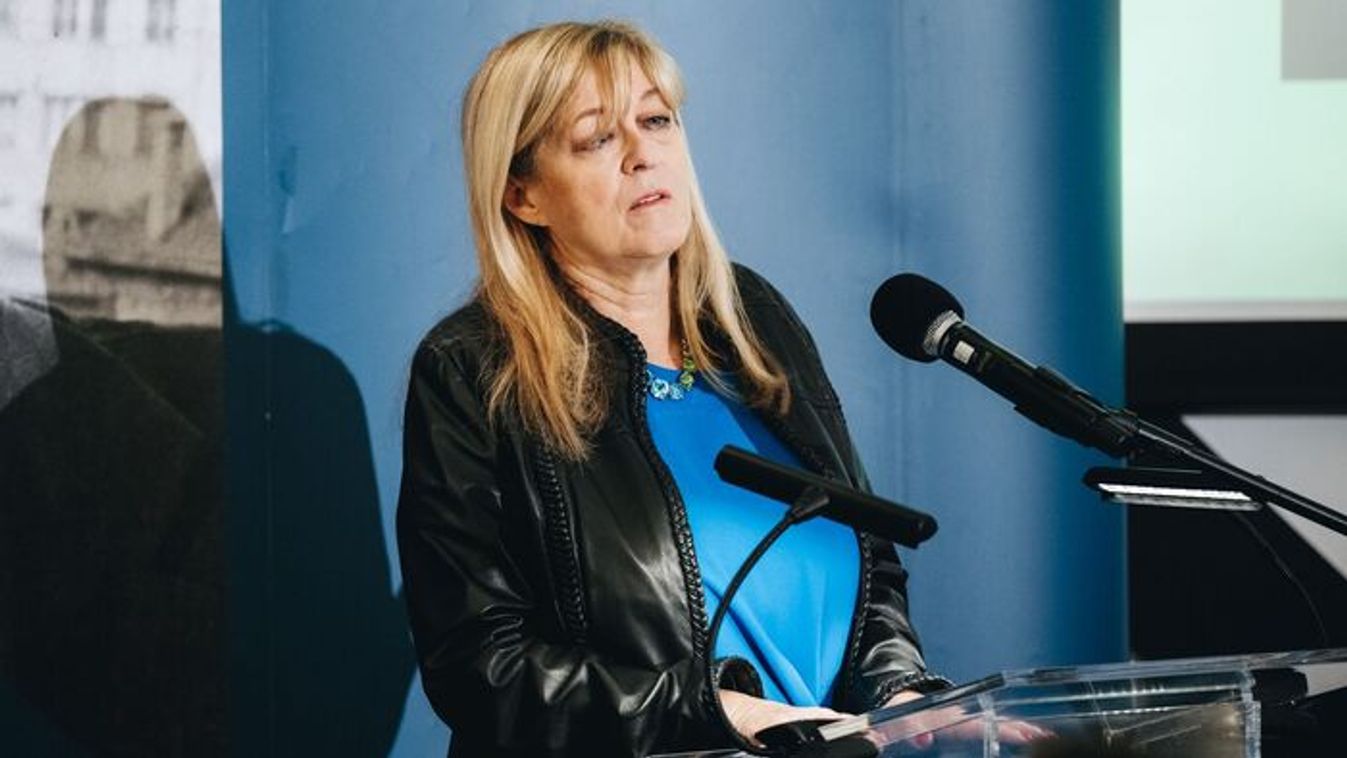
– the outlet wrote. Among the participants was also Csilla Fedinec. In the related panel discussion, she said that, in her view, Hungary is attempting to hinder Ukraine’s accession to the European Union by invoking minority rights. One of her earlier statements that drew attention was a 2025 interview with Klubrádió. In it, she took a defensive stance on Ukraine’s language law and criticized the quality of public debate in Hungary, noting in particular
that pro-government voters have limited sources of information.
According to Mandiner, Dmytro Tuzhanskyi has participated in several international fellowship programs, and in the newspaper’s wording he has received a “Soros-style education.” The article also reports that Tuzhanskyi was previously a fellow of the Think Visegrad program, whose partners include GLOBSEC. Regarding the organization, it was noted that
at its most recent conference, Zoltan Tarr also spoke, on the same day as Gordon Bajnai.
Mandiner also pointed out that Tuzhanskyi took part in the German Marshall Fund’s Policy Planners Network program. The organization had previously been mentioned in a report by Hungary’s National Information Center concerning alleged foreign influence in the 2022 election. Among the program’s supporters is the Open Society Foundations. According to the article, although Tuzhanskyi did not explicitly state it, he works as a project manager and fellow in GLOBSEC’s Ukraine and Eastern Europe program, which has Gordon Bajnai on its board of directors. In the newspaper’s interpretation, the information placed side by side points in one direction:
that this may involve not merely a diplomatic presence, but the building of a more forceful political influence structure.
The article states that the post-election timing, the designated liaison figure, and the publicly stated expectations together suggest that Kyiv intends to play an active role in shaping Hungarian political developments. According to Mandiner, this indicates that
the Ukrainian side is not thinking in terms of a simple partnership, but instead seeks to exert stronger influence aimed at shaping Peter Magyar’s policies and aligning them with Ukrainian interests.
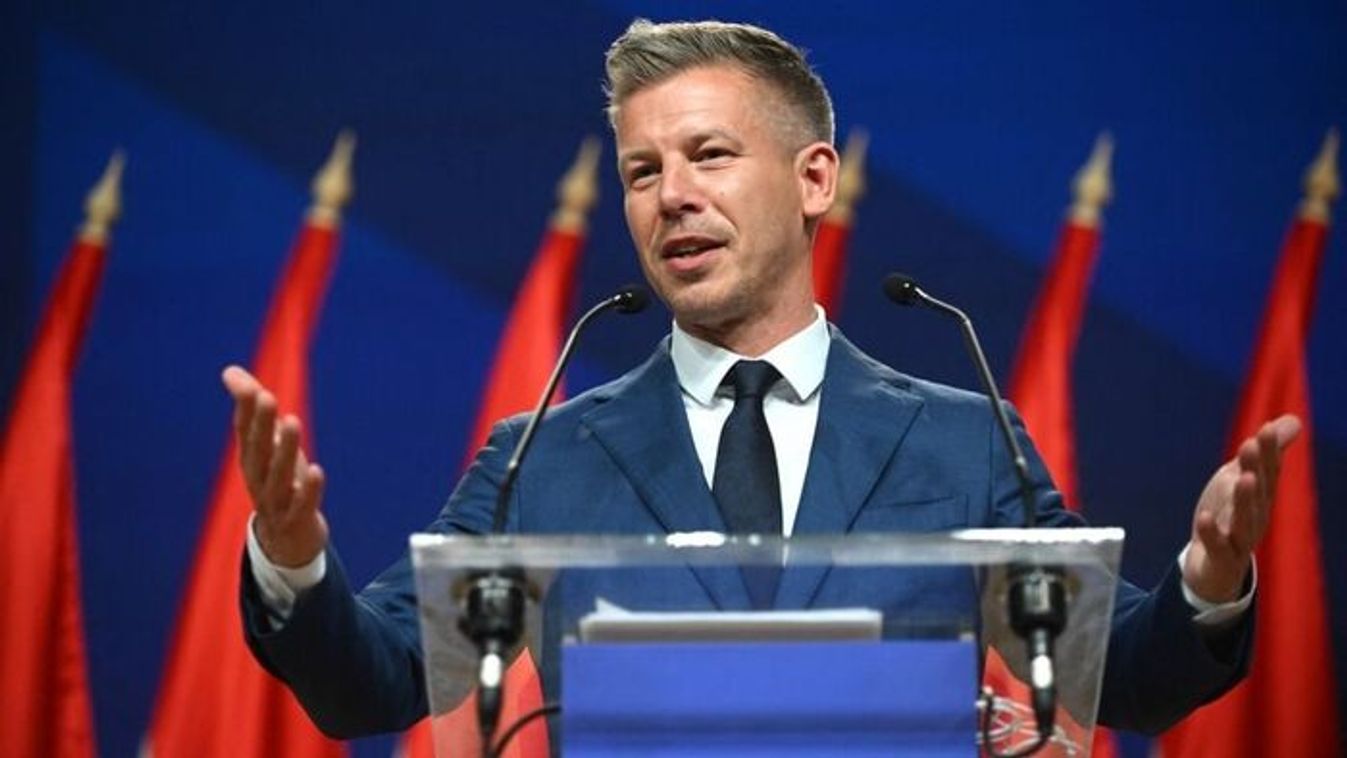
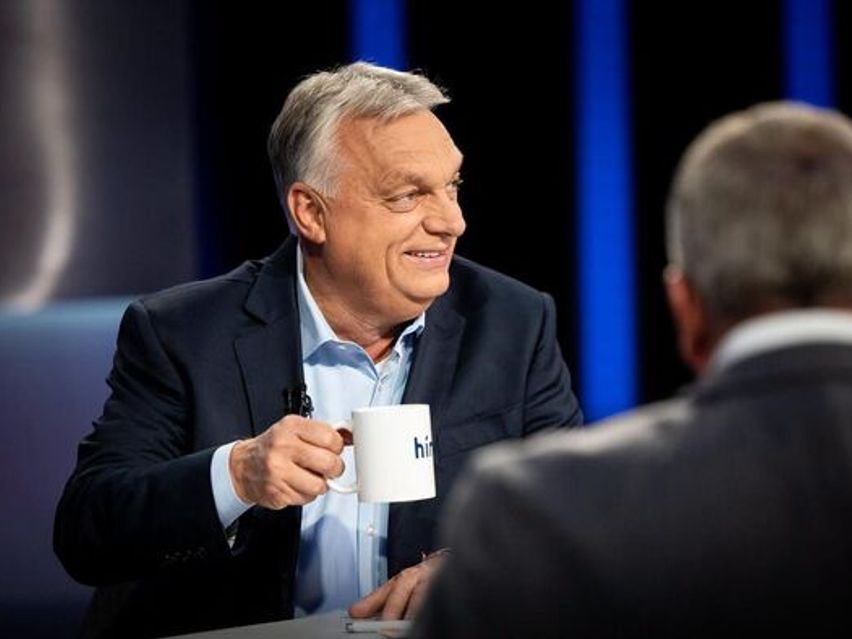
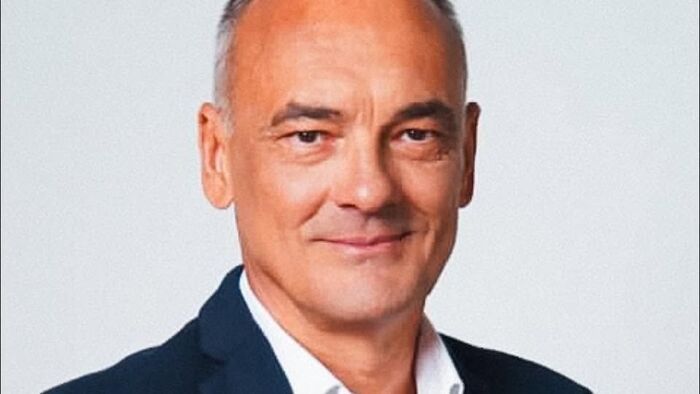
Cover photo: Peter Magyar, leader of the Tisza Party (Photo: AFP)
A Magyar Nemzet konzervatív, nemzeti-kulturális hetilap, amely nemcsak híreket közöl, hanem értelmezi is a világot. Hiteles szerzőkkel, mélyebb összefüggésekkel és időtálló gondolatokkal segít eligazodni a közélet, a kultúra, a történelem és a mindennapi élet kérdéseiben.
A Magyar Nemzet konzervatív, nemzeti-kulturális hetilap, amely nemcsak híreket közöl, hanem értelmezi is a világot. Hiteles szerzőkkel, mélyebb összefüggésekkel és időtálló gondolatokkal segít eligazodni a közélet, a kultúra, a történelem és a mindennapi élet kérdéseiben.
Portfóliónk minőségi tartalmat jelent minden olvasó számára. Egyedülálló elérést, országos lefedettséget és változatos megjelenési lehetőséget biztosít. Folyamatosan keressük az új irányokat és fejlődési lehetőségeket. Ez jövőnk záloga.