Unlocking EU Funds Will Be No Easy Ride

Hungary is facing a crucial period, as the new government is under pressure not only from the economic situation but also from time constraints if it wants to secure as much EU money as possible from the frozen funds for the term ending in 2027. The challenge is twofold, as it must already begin applying for funds for the new period, and the areas of use are quite restricted.

2026. 04. 17. 16:34
It will not be easy for the Tisza Party to fulfill its promise (Source: NurPhoto/AFP)
VéleményhírlevélJobban mondva - heti véleményhírlevél - ahol a hét kiemelt témáihoz fűzött személyes gondolatok összeérnek, részletek itt.

A dual task now falls on the new government, as it has pledged to bring home frozen EU funds while also applying for the subsidies available in the next term.

uniós,
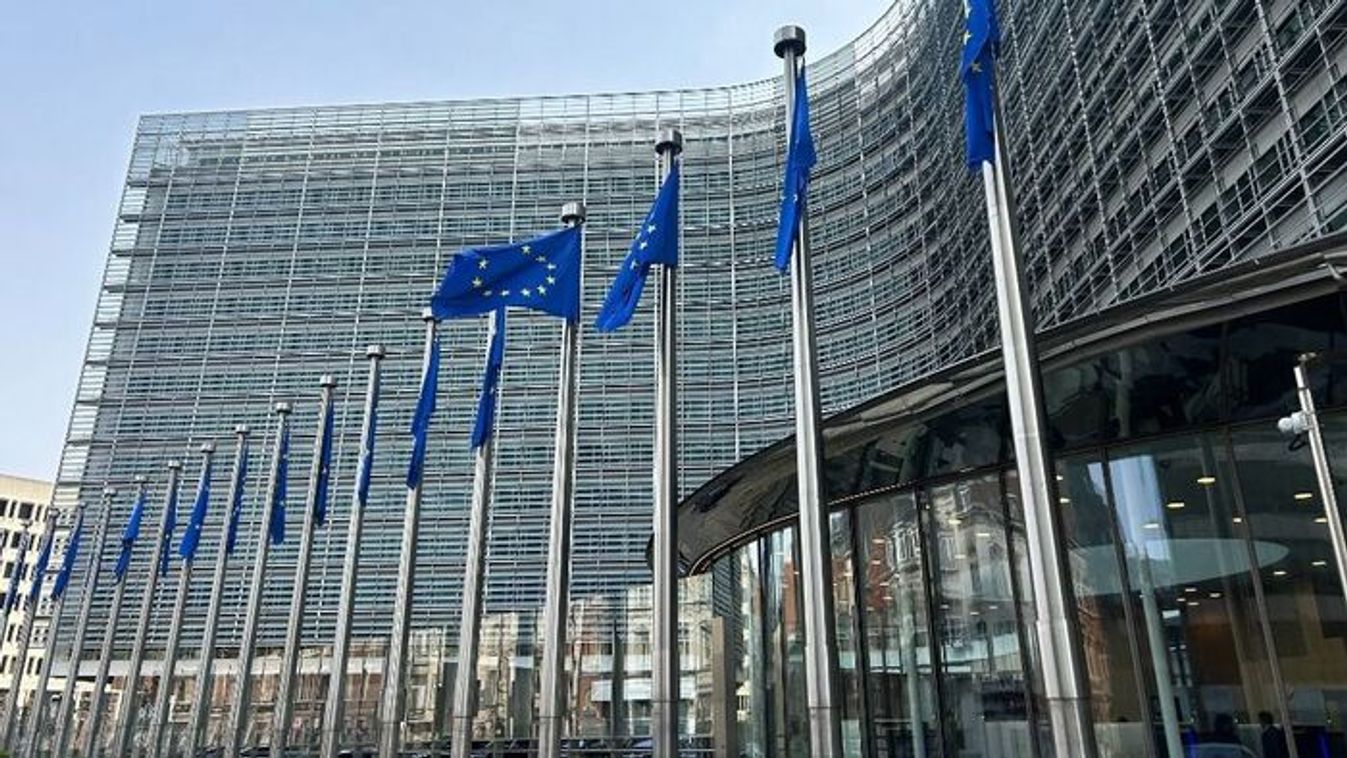
Significant EU resources are at stake (Photo: Hans Lucas via AFP)

Daniel Molnar, lead analyst at the Hungarian Economic Development Agency, pointed out that the sums involved are substantial. Based on data from the European Commission, of the 25.1 billion euros in cohesion funds allocated for the 2021–2027 budget cycle, decisions have so far been made on only 53.2 percent, while actual disbursements stand at just 21 percent. In other words, unlocking EU funds is a key promise, and if fulfilled, it could provide the economy with meaningful development resources, significantly influencing growth prospects.

It Will Not Be an Easy Ride

At the same time, reports to date show that this task will not be an easy ride. The European Commission is expected to impose strict conditions on the new government as well in order to accelerate payments. According to an article published in the Financial Times, concrete measures and reforms will be expected from the new government, such steps that the previous government was unwilling to take. According to these reports, there will be no special treatment; access to frozen funds will be tied to results.

Daniel Molnar emphasized that this is a key period, as the new government is under pressure not only from economic realities but also from time. The current EU budget cycle is approaching its end, while negotiations for the next one will begin in parallel. This means the government must simultaneously perform on two fronts in order to deliver on its campaign promises.

The use of funds is another key area where significant uncertainty remains. EU funds are not discretionary; they cannot, for example, be used directly to reduce the deficit. Typically, at the start of the budget cycle, member states enter into a partnership agreement with the European Commission that sets out how the country will allocate cohesion funds to various development projects, taking into account the objectives set by the Commission. In Hungary’s case, this agreement for the current budget cycle was concluded on December 22, 2022.

A Narrow Bottleneck

It normally takes a long time, often more than a year, to prepare and finalize such agreements. As a result, it is not expected that a new agreement will be concluded between a Tisza-led government and the European Commission. Therefore, it is likely that cohesion funds, if unfrozen, will be used within the framework of the existing agreement, with only minor reallocations within programs.

“The principles defined by Tisza Party will likely have more impact on how funds from the next EU budget cycle are used, as they will negotiate that partnership agreement themselves. However, even there, the main bottleneck will be what core priorities are set by the European Commission and the Council,” Daniel Molnar said.

According to an analysis by Fitch Ratings, the openly pro-EU stance of Peter Magyar and the supermajority of the Tisza Party are likely to improve cooperation with Brussels. This could include, for example, lifting the blocking of funding intended for Ukraine. According to the credit rating agency, this may allow for the release of EU funds currently frozen for Hungary. However, it remains unclear how quickly a full restoration of EU disbursements would improve Hungary’s economic growth prospects.

Komment

Összesen 0 komment

A kommentek nem szerkesztett tartalmak, tartalmuk a szerzőjük álláspontját tükrözi. Mielőtt hozzászólna, kérjük, olvassa el a kommentszabályzatot.


Jelenleg nincsenek kommentek.

Szóljon hozzá!

Jelenleg csak a hozzászólások egy kis részét látja. Hozzászóláshoz és a további kommentek megtekintéséhez lépjen be, vagy regisztráljon!

A téma legfrissebb hírei

Tovább az összes cikkhez chevron-right

Ne maradjon le a Magyar Nemzet legjobb írásairól, olvassa őket minden nap!

Google News
A legfrissebb hírekért kövess minket az Magyar Nemzet Google News oldalán is!

Címoldalról ajánljuk

Tovább az összes cikkhez chevron-right

Portfóliónk minőségi tartalmat jelent minden olvasó számára. Egyedülálló elérést, országos lefedettséget és változatos megjelenési lehetőséget biztosít. Folyamatosan keressük az új irányokat és fejlődési lehetőségeket. Ez jövőnk záloga.