He added that Ukraine had previously attempted to impose an oil blockade on Hungary. The Druzhba oil pipeline, which supplies Hungary with cheap Russian crude oil, is fully capable of transporting oil toward Hungary, he said, pointing out that the Ukrainian pipeline operator clearly told MOL that they are waiting exclusively for the political permission from Ukrainian President Volodymyr Zelensky, which has not been granted.
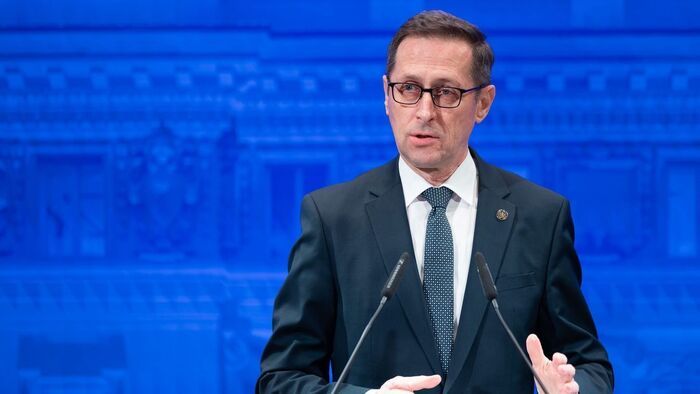
Hungary's foreign minister underlined that Hungary has successfully fended off this oil blockade because it made preparations in time, but now Ukraine is attempting to create a full energy blockade, which is why dozens of drones were once again launched overnight against the TurkStream gas pipeline.
He stated that this is unacceptable and constitutes a grave attack on the country’s sovereignty. Peter Szijjarto made it clear that Hungary will protect itself and will continue to fight for the use of cheap Russian oil and gas, because without them, household utility cost cuts and the protected fuel price would come to an end. He highlighted if utility price cuts are abolished, household energy costs in Hungary would triple. He added that without affordable Russian oil, fuel prices could rise to 1,000 forints per liter, meaning that a 50-liter refueling would cost 20,000 forints more compared to the current protected price.
If someone refuels twice a month, that would mean an additional cost of 40,000 forints, and together with rising utility bills, an average Hungarian family would have to pay 100,000 forints more if energy cost cuts and the protected fuel price were abolished,
he said, adding that the energy transition plan of the Tisza Party has been made public, and it clearly states that they would abolish utility price cuts and the protected fuel price.
The document reveals that the party would implement Brussels’ energy policy and cut Hungary off from affordable Russian oil and gas,
he said. He added that, based on the revealed plan, the Tisza Party would sell Hungary’s two largest energy companies, MVM and MOL, to foreign owners. If Hungarian energy companies fall into foreign hands, they will be interested in keeping energy prices as high as possible, since higher prices lead to higher profits, regardless of the impact on Hungarian families, he argued. Peter Szijjarto said that the Tisza Party cannot deny these plans, as they have spoken about them publicly for a long time.