PM Orban: Disgrace — Tisza Seeks To Scrap Protected Fuel Prices In Brussels

The situation is becoming increasingly clear: the Tisza Party has sprung into action and is lobbying in Brussels to abolish the protected fuel prices in Hungary. According to Viktor Orban, this is a disgrace.

2026. 04. 02. 10:44
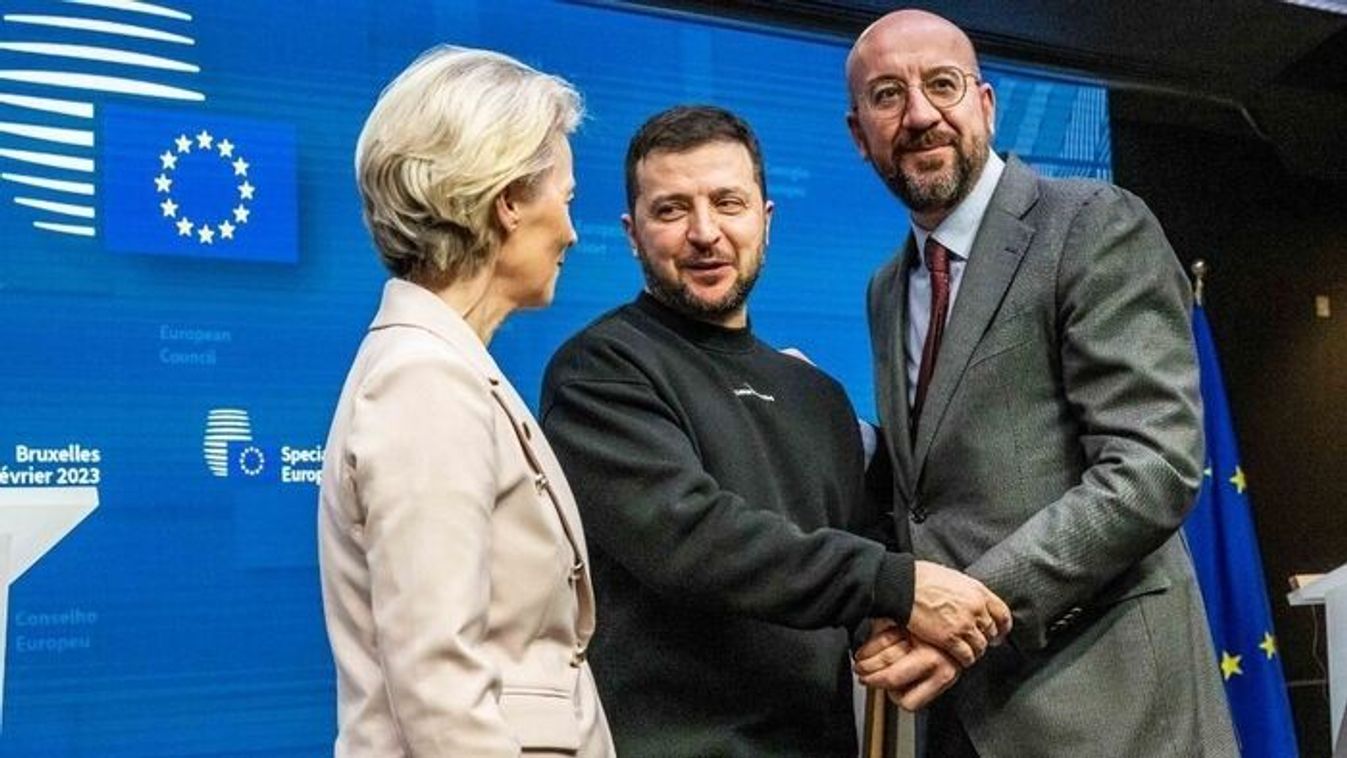
Ursula von der Leyen, Manfred Weber, Volodimir Zelensky (Photo: AFP)
VéleményhírlevélJobban mondva - heti véleményhírlevél - ahol a hét kiemelt témáihoz fűzött személyes gondolatok összeérnek, részletek itt.

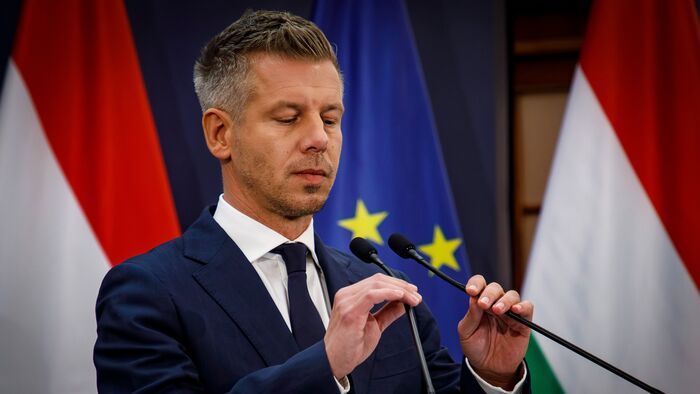
“A disgrace and a scandal! According to consistent reports, Tisza is lobbying in Brussels to abolish the protected fuel price. They are asking Brussels officials to take action against the Hungarian government for providing gasoline to Hungarians at a lower, protected price,” Prime Minister Viktor Orban wrote on his social media.

Budapest, 2026. március 18.
A Miniszterelnöki Kommunikációs Főosztály által 2026. március 18-án közreadott képen Orbán Viktor miniszterelnök interjút ad a GB News brit kereskedelmi hírtelevíziónak a Karmelita kolostorban. Balról Miriam Cates műsorvezető. 
MTI/Miniszterelnöki Kommunikációs Főosztály/Fischer Zoltán
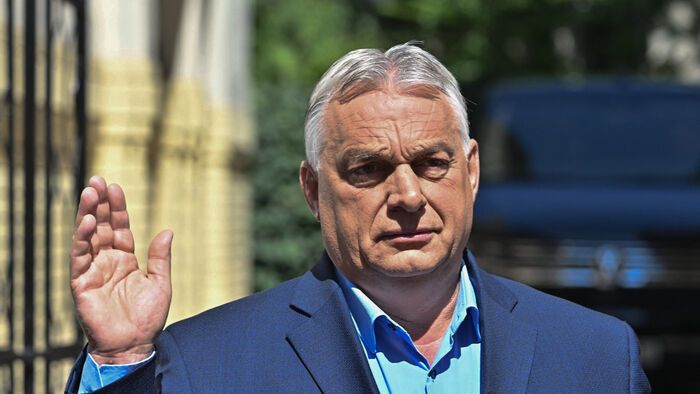
PM Viktor Orban (Photo: MTI/Prime Minister’s Communications Office/Fischer Zoltan)

With his post, the prime minister made it clear that the government will continue to maintain the protected fuel price and will not yield to pressure from Brussels. According to Viktor Orban, with this move the Tisza Party is working against Hungarian families while urging Brussels to act against the Hungarian government.

As Magyar Nemzet previously highlighted, Fidesz MEP Csaba Domotor warned in an interview with Index that the European Commission would soon launch an attack on Hungary’s protected fuel pricing, and would then move on to other elements of utility price caps. According to the politician, the Tisza Party plays a key role in this process, as it is preparing to phase out energy subsidies while citing pressure from Brussels.

The Fidesz politician said that “Tisza's energy lobby has reached its goal.” He claimed that Tisza’s plan is to phase out utility subsidies once in power, citing Brussels and arguing that it is fulfilling EU obligations. Mr. Domotor supported his claims with several examples: he recalled Istvan Kapitany’s earlier remarks on abolishing energy subsidies, referred to leaked Tisza energy plans, and noted that Tisza’s members of the European Parliament had supported resolutions calling for the elimination of utility and energy subsidies on five occasions.

According to Mr. Domotor, the pressure from the European Union is driven by the interests of major energy companies. He added that efforts to dismantle protected pricing are not without precedent, as the European Commission has previously urged the phasing out of price caps, but is now raising the stakes. The Commission recently sent a letter to member states encouraging reductions in energy consumption and included a list of immediate measures. According to Mr. Domotor, the process is already underway, and Brussels is preparing for action.

It's Not The First Time We Hear About Tisza’s Energy Policy 

Although the Tisza Party’s energy policy plan had not been publicly known until recently, the proposals communicated so far by its experts closely align with the document published by Balazs Csercsa. Istvan Kapitany, for instance, has repeatedly stated that Hungary should be decoupled from cheap Russian gas, and that there should be far less state intervention and fewer special taxes, with no need for price caps or margin caps.

Attila Holoda has also criticized utility price reductions, arguing that electricity prices are too low, while Gyorgy Suranyi has likewise never concealed his views on favorable utility pricing. The former central bank governor has said the main problem with the subsidy is that all households receive it. Previously, he described its phase-out as a “sensitive matter,” but noted that there could come a point when it becomes open to question.

Political scientist Laszlo Keri, who's also associated with Tisza, has simply called utility price reductions “the biggest bluff in the world.”

Cover photo: Ursula von der Leyen, Manfred Weber, Volodimir Zelensky (Photo: AFP)

Komment

Összesen 0 komment

A kommentek nem szerkesztett tartalmak, tartalmuk a szerzőjük álláspontját tükrözi. Mielőtt hozzászólna, kérjük, olvassa el a kommentszabályzatot.


Jelenleg nincsenek kommentek.

Szóljon hozzá!

Jelenleg csak a hozzászólások egy kis részét látja. Hozzászóláshoz és a további kommentek megtekintéséhez lépjen be, vagy regisztráljon!

A téma legfrissebb hírei

Tovább az összes cikkhez chevron-right

Ne maradjon le a Magyar Nemzet legjobb írásairól, olvassa őket minden nap!

Google News
A legfrissebb hírekért kövess minket az Magyar Nemzet Google News oldalán is!

Címoldalról ajánljuk

Tovább az összes cikkhez chevron-right

Portfóliónk minőségi tartalmat jelent minden olvasó számára. Egyedülálló elérést, országos lefedettséget és változatos megjelenési lehetőséget biztosít. Folyamatosan keressük az új irányokat és fejlődési lehetőségeket. Ez jövőnk záloga.