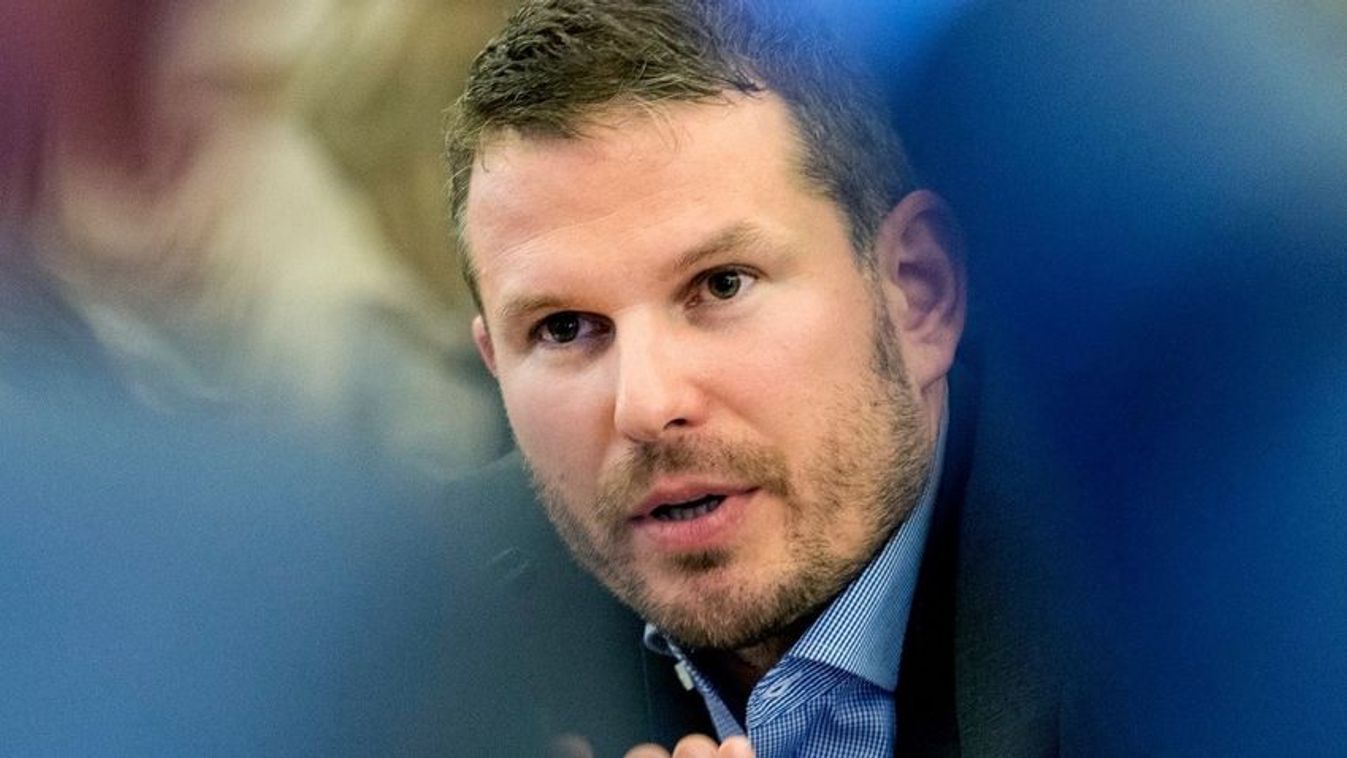
This leads us to the most interesting part of the Skype interview as Mr Nosko also spoke about Freedom House, the human rights research institute known well in Hungary. We should quote him verbatim on this: “When reading like ‘nations in transit’ of Freedom House, their work for the Slovak chapter, and sometimes it’s so irritating to see that instead of the analysis you have essentially agitprop, you know. Essentially, whenever it’s your friends who are in the government, then the country is doing well. If it’s not your friends in the government, then whatever they do is just not good enough,” Mr Nosko said.
The interviewer asked whether this could mean that Freedom House’s reports are incorrect. All Mr Nosko said in response to this suggestion is that “if a problem of this kind emerges in one chapter, then problems of this nature could also emerge in the others”.
It is public knowledge that a few days ago the Hungarian daily newspaper Magyar Nemzet quoted several extracts from the interview in question. In these, Mr Nosko stated, among others, that the reports of the international media about Hungary and Poland are distorted, biased and superficial. According to Mr Nosko, the reason for this is that today far fewer foreign correspondents work for the dominant media outlets than before, and journalists are usually required to cover the affairs of multiple countries. In his view, this leads to intellectual laziness in the mainstream media as well, and this, too, has played a central role in the development of the phenomenon described.
“As a result, it is very easy to criticise Poland and Hungary without citing actual arguments; in other words, these reports are biased,” Mr Nosko stated. He mentioned as an example that when he worked for George Soros’s foundations, foreign journalists who contacted them were regularly referred by staff members with an angle of their own to colleagues whose convictions were similar to their own. On a number of occasions, Mr Nosko himself hired journalists to promote the materials of awarded think tanks. “So we could say that the playing field wasn’t exactly level,” the former director admitted.
 SOROS EMBEREI