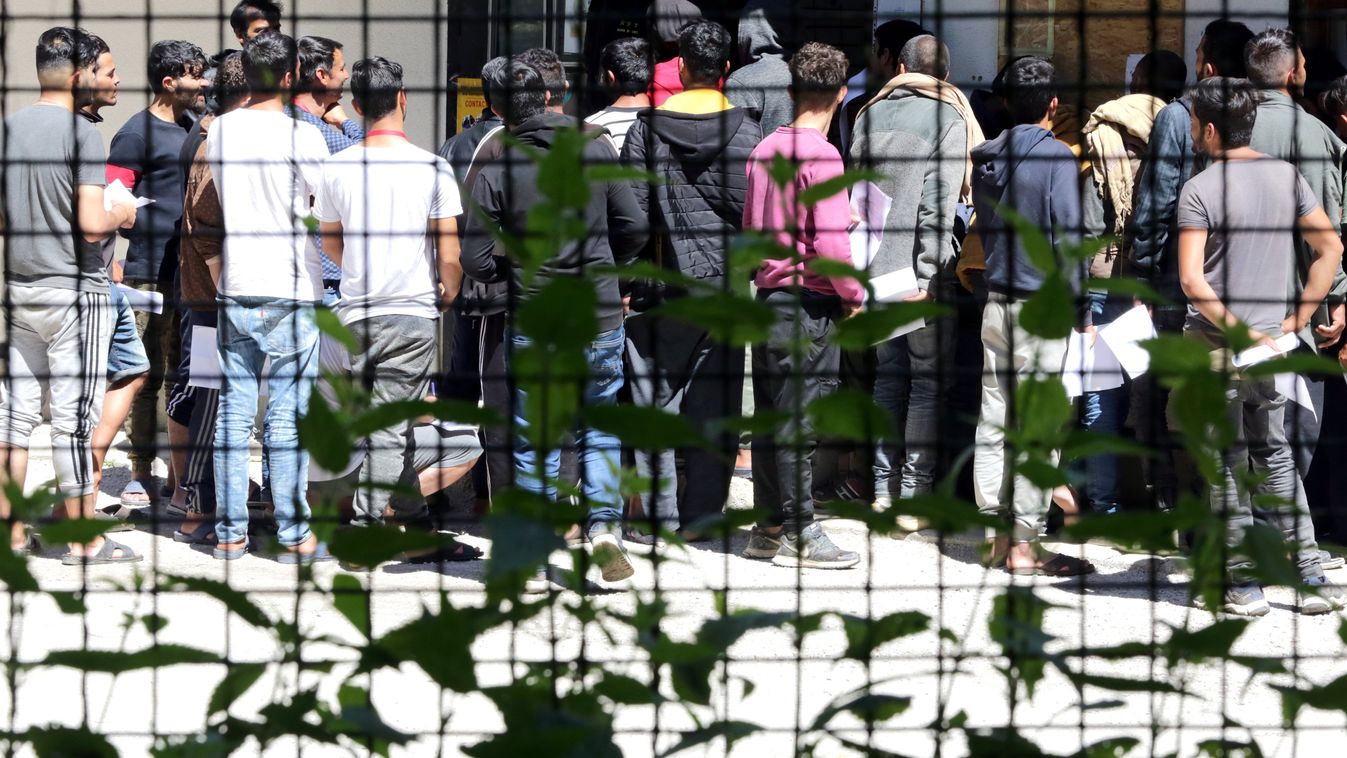
Migrants embark on the Balkan route via Serbia, the expert says, where they can take one of several routes, depending on which smuggling gang they choose to use, or whether they will attempt to make their way to the European Union on their own. Most of them head for Hungary, trying to cross into the EU through the country's southern border fence, and if successful continue on to Western Europe.
Nevertheless, Bosnia is also being selected by many as a transit country. In August of this year, for example, the authorities registered four thousand illegal immigrants. This represents a fourfold increase compared to May, when only about a thousand migrants were registered, said Selimovic, who determined the number of illegal immigrants arriving in the country this year to be 27,500. According to others, there may be many more, for the majority of migrants try to remain under the radar, and instead of going through the mandatory administration, they try to get through the Balkan countries more rapidly. Armed human traffickers and criminal gangs are helping them in this endeavor.
The reception centre coordinator also pointed out that Bosnia is facing a huge burden in keeping migrants under control. The country operates four temporary reception centers, which can accommodate around 5,000 migrants. He said that efforts were being made to monitor every step of registered migrants from their entry into the country to their exit, with monitoring capacity constantly being increased to prevent gangs of mostly young men from roaming the streets.