Hungary FM: Wiretapping Case Is a Massive Election Interference

Peter Szijjarto may have been wiretapped with the assistance of a Hungarian journalist linked to the Tisza Party. Hungary's minister of foreign affairs and trade described the incident as a major scandal.

2026. 03. 24. 15:18
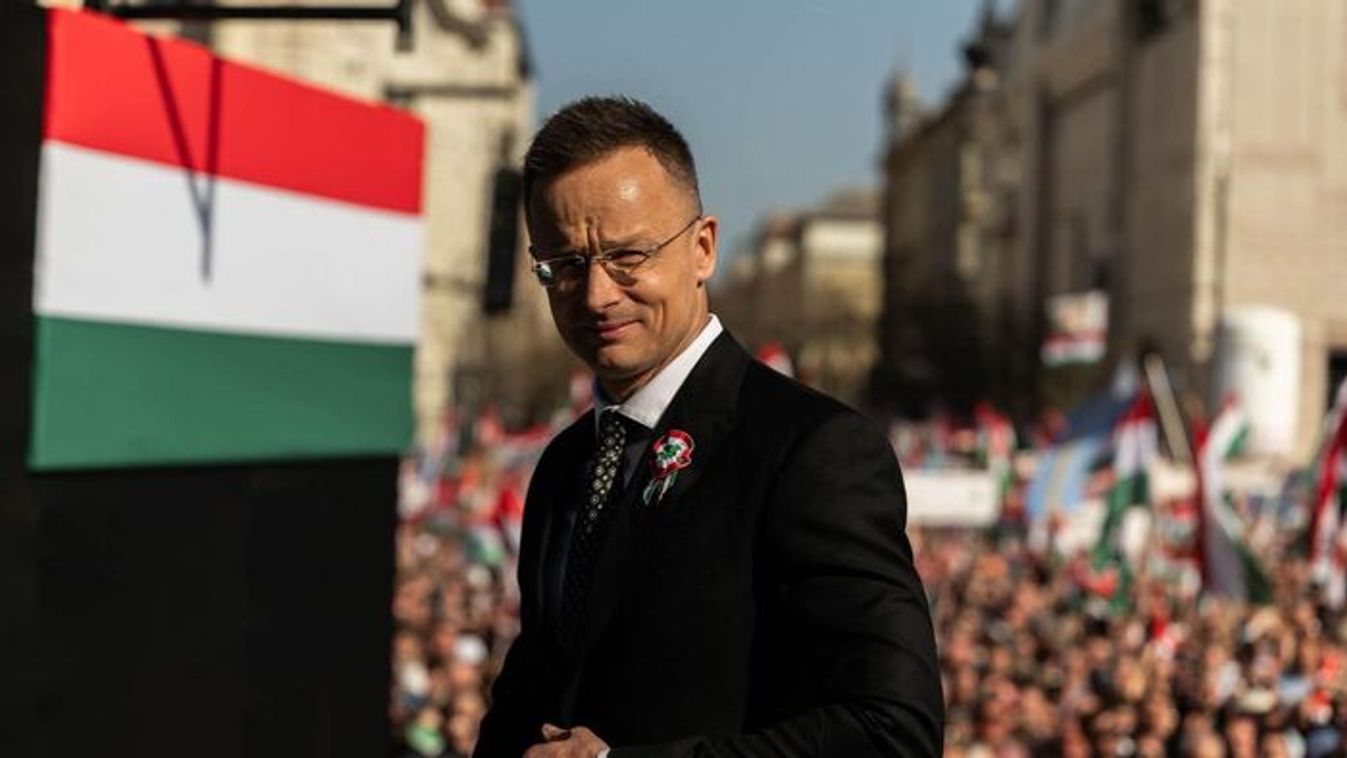
Hungarian Minister of Foreign Affairs and Trade Peter Szijjarto (Source: Facebook)
VéleményhírlevélJobban mondva - heti véleményhírlevél - ahol a hét kiemelt témáihoz fűzött személyes gondolatok összeérnek, részletek itt.

Speaking at a forum during his campaign trail in Sarvar, western Hungary, on Monday, Minister of Foreign Affairs and Trade Peter Szijjarto called it a massive scandal and a serious interference in the election after it came to light that foreign intelligence services had wiretapped him with the involvement of a Hungarian journalist.

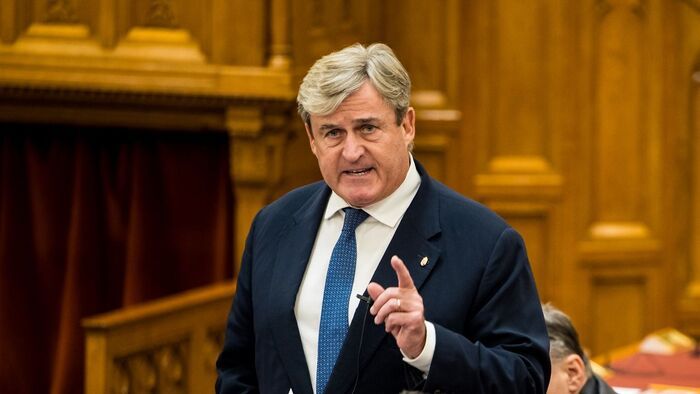
Szijjártó Péter külgazdasági és külügyminiszter
 Minister of Foreign Affairs and Trade Peter Szijjarto (Photo: MTI/Tamas Purger)

Speaking at a press conference ahead of a public forum in the city, the minister described the incident as a major scandal and an attack on Hungary’s sovereignty, saying it crosses every line.

It has been revealed about this Hungarian journalist that, in connection with my phone number, he cooperated with foreign intelligence services in wiretapping me. And what makes this case especially serious is that this Hungarian journalist, who is working together with these foreign intelligence services, is strongly connected to the innermost circles of the Tisza Party, as he even described Anita Orban as his friend,

he said.

“This Hungarian journalist, who is cooperating with foreign intelligence services, said that he could have influence over the staffing of the next foreign ministry and that he would have access to all kinds of documents. In my view, it is a huge scandal that a future, potential Tisza Party-led foreign ministry would operate in a way that a Hungarian journalist connected to foreign intelligence services would decide who can work there and  that he would have access to all sorts of data,” he continued.

Peter Szijjarto pointed out that he has been in office for more than eleven years, while among his European Union counterparts the second longest-serving has been in position for only about half that time. As a result, many turn to him for help using his network of contacts.

“You would be surprised how many foreign ministers and state leaders have approached me to help arrange phone calls, meetings, or negotiations with other countries’ foreign ministers or state leaders. And if these were not contrary to Hungary’s national interests, I have always helped,” he said. He described the wiretapping scandal as interference in Hungary’s election campaign.

Anyone who had naive illusions about whether or not there is foreign intelligence interference in Hungary’s parliamentary election campaign has now received proof,

he underlined. “In eleven and a half years, I have participated in approximately 120 Foreign Affairs Council meetings. Before and after the vast majority of these meetings, I have spoken with foreign ministers of third countries. This is natural,” he noted.

“At these European foreign ministers’ council meetings, many decisions are made that affect Hungary’s relations with non-EU countries — countries with which cooperation is critically important for Hungary from economic, security, political, and energy supply perspectives. With these actors, these third countries, consultations must take place depending on the decisions that may be made at these meetings. There is nothing surprising about this,” he added.

For Hungary, Russia is an important partner, for example in terms of energy supply (…) I also regularly consult with important partners such as Turkey and Israel. I also consult with the United States when there are important issues at EU council meetings that affect Hungarian-US cooperation. I consult with all of our key partners,

he listed.

The minister also pointed out that no major secrets are even discussed at EU Foreign Affairs Council meetings. “Nothing happens at these meetings that Politico does not write about beforehand, that fellow politicians aren’t tweeting about in real time, or that isn’t followed by a press conference. Only someone who’s never been to a Foreign Affairs Council meeting would fall for such nonsense,” he said.

Regarding reports that in 2020 he helped arrange a meeting between the former Slovak and Russian prime ministers, he emphasized that this had already been reported before, and he had made it clear at the time that “this is one of the core functions of diplomacy.”

“I have spoken openly about this in public, both in Slovak and Hungarian media. I have highlighted that Central European cooperation is one of the key objectives of Hungarian foreign policy, and that it is always easier to cooperate with a sovereigntist government than with one financed by George Soros' networks. Nothing new has been revealed. The same story was published two years ago, and now some act as if this were some major new development,” he said.

Cover photo: Hungarian Minister of Foreign Affairs and Trade Peter Szijjarto (Source: Facebook)

Komment

Összesen 0 komment

A kommentek nem szerkesztett tartalmak, tartalmuk a szerzőjük álláspontját tükrözi. Mielőtt hozzászólna, kérjük, olvassa el a kommentszabályzatot.


Jelenleg nincsenek kommentek.

Szóljon hozzá!

Jelenleg csak a hozzászólások egy kis részét látja. Hozzászóláshoz és a további kommentek megtekintéséhez lépjen be, vagy regisztráljon!

A téma legfrissebb hírei

Tovább az összes cikkhez chevron-right

Ne maradjon le a Magyar Nemzet legjobb írásairól, olvassa őket minden nap!

Google News
A legfrissebb hírekért kövess minket az Magyar Nemzet Google News oldalán is!

Címoldalról ajánljuk

Tovább az összes cikkhez chevron-right

Portfóliónk minőségi tartalmat jelent minden olvasó számára. Egyedülálló elérést, országos lefedettséget és változatos megjelenési lehetőséget biztosít. Folyamatosan keressük az új irányokat és fejlődési lehetőségeket. Ez jövőnk záloga.