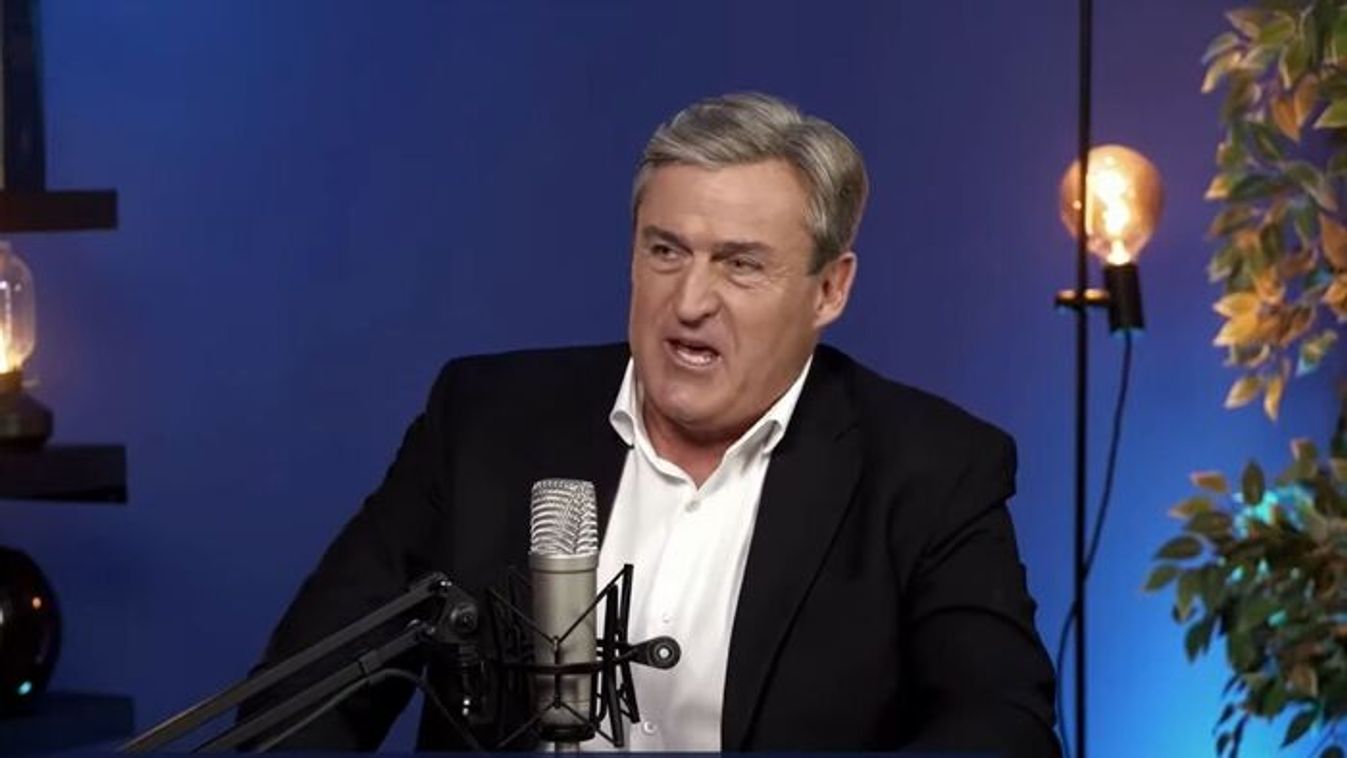
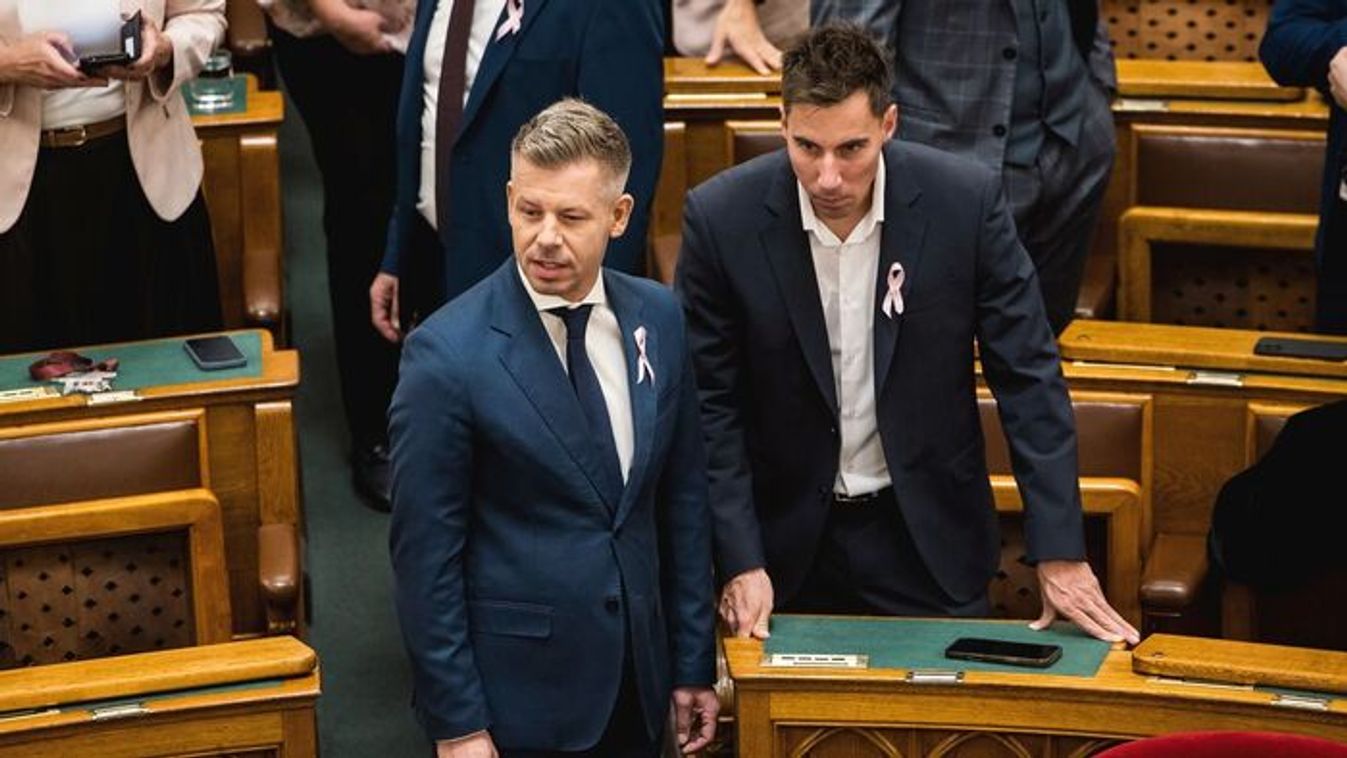
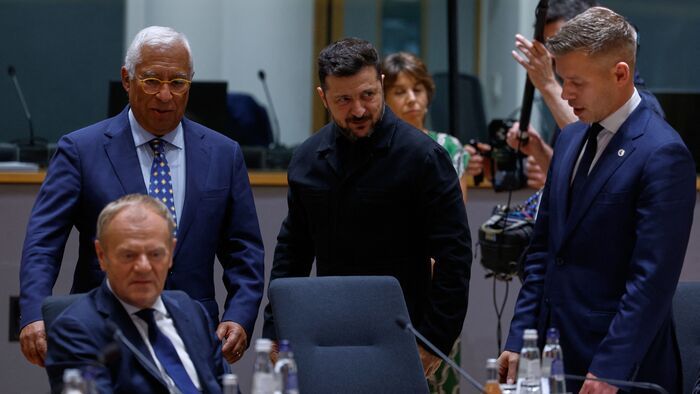
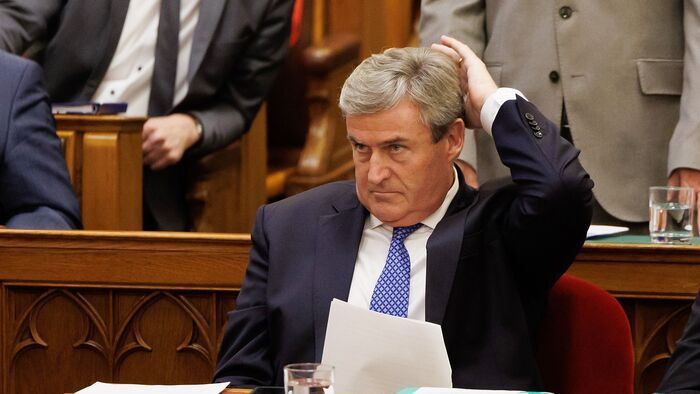
– “A politician must be prepared to stand up and say: yes, I want an energy transition, dear voters, and we will spend this and this amount from the budget on it,” Istvan Kapitany told Jazzy Radio. The Mandiner news site, which reported on the statement, noted that the Tisza Party’s economic expert had already been saying last summer that the cost of Tisza’s energy plan would be passed on to Hungarian citizens.

As Magyar Nemzet previously highlighted, a former leader of the Tisza Party recently made public Peter Magyar’s energy proposal, which shows that, in the event of a change in government, Hungary would immediately sever ties with cheap Russian energy sources and instead cover its needs with expensive Western imports.
Moreover, the plan would partially privatize MVM and Mol, and would also impose a new tax—an “energy independence tax”—on Hungarian citizens.
The plan released by Balazs Csercsa comes as no surprise, as Istvan Kapitany has spoken openly about breaking away from cheap Russian energy. He has argued that the government intervenes too often in the affairs of multinational companies, and that there is no need for regulated utility prices, fuel price caps, or margin caps. What Istvan Kapitany, who came from Shell, is proposing could cost a Hungarian family as much as 1.8 million forints per year.
This Is Not The First Time We Hear About Tisza’s Energy Policy
Although the Tisza Party’s energy policy proposal had not previously been fully disclosed, the plans communicated so far by its experts closely align with the document published by Balazs Csercsa. Istvan Kapitany, for example, has repeatedly argued that Hungary should be cut off from cheap Rusian gas, and that there should be far less state intervention and fewer special taxes, with no need for price caps or margin caps.
Attila Holoda has also criticized utility price reductions, arguing that electricity prices are too low, while Gyorgy Suranyi has never concealed his views on favorable utility pricing. The former central bank governor has said the main problem with the subsidy is that all households receive it. Earlier, commenting on its possible phase-out, he said such a move would be “a delicate matter,” but added that there could come a point when it would be legitimate to question the policy.


Szóljon hozzá!
Jelenleg csak a hozzászólások egy kis részét látja. Hozzászóláshoz és a további kommentek megtekintéséhez lépjen be, vagy regisztráljon!