However, substantial disbursements never materialized because Brussels tied access to the full multi-billion-euro package to the fulfillment of 27 so-called super milestones. These conditions primarily concern rule-of-law and anti-corruption measures, but Viktor Orban's government maintained that Hungary’s institutional system meets EU standards and that Brussels used the conditions as a political tool.
The consequence of this political tug-of-war has been severe: due to the two-year payment rules, the first tranche, worth more than one billion euros, was permanently lost at the end of 2024, followed by a similar amount at the end of 2025. Another deadline is now approaching, as Hungary must meet all milestones by August 2026.
A sovereignty lawsuit pending
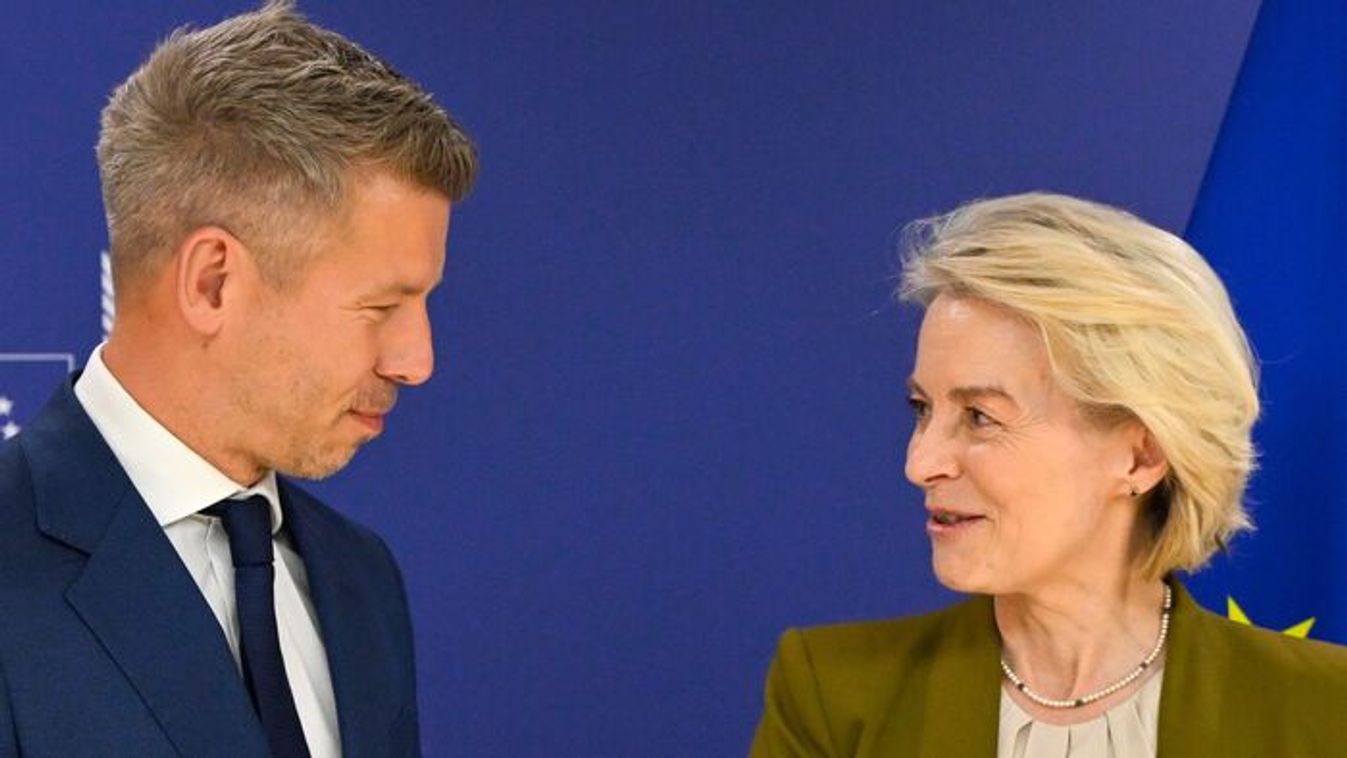
The continuation of a lawsuit launched in early February by Peter Szijjarto also remains unresolved. The legal action challenged the EU sanctions regulation on the grounds of national sovereignty over the energy mix. The outgoing foreign minister made the proceedings dependent on the outcome of the parliamentary elections. It will now be decided in the negotiations that have begun between Prime Minister-elect Peter Magyar and European Commission President Ursula von der Leyen whether the new government will withdraw the lawsuit in pursuit of reaching an agreement or will attempt to see the legal proceedings through to the end. The former move would mean a step back in terms of sovereignty, while the latter could take considerable time and risk further loss of funds—despite Peter Magyar’s campaign pledge to secure EU funding for Hungary.
By August, it will become clear whether the remaining billions can be brought home and, if so, what concessions the Tisza government will make to Brussels in return.