Posts, tweets, insta photos, and election messages

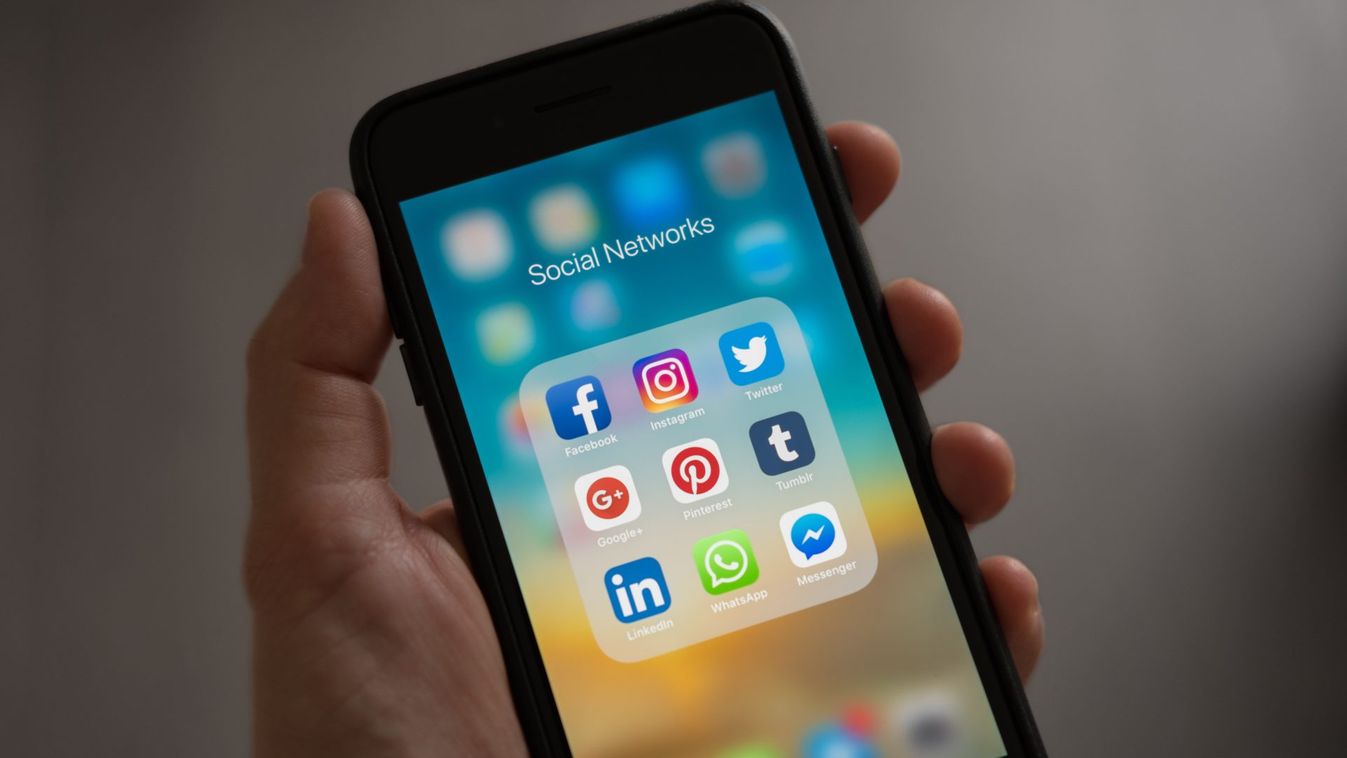
Public communication can be found all over the online realm. From the perspective of political campaigns online, Facebook plays an especially important role-- no matter the generation. For this very reason, there are increasingly strict rules for political advertisements on the platform. In a representative study conducted in both the USA and Hungary, Lounge Group evaluated voters’ means of retrieving information on social media.

Forrás: Lounge Group2020. 11. 15. 14:33
Forrás: Pexels
VéleményhírlevélJobban mondva - heti véleményhírlevél - ahol a hét kiemelt témáihoz fűzött személyes gondolatok összeérnek, részletek itt.

Though topics on the public sphere are typically taboo in Hungary, more than a third of respondents still tend to share or comment on such content.

The Facebook political ads story started somewhere in 2008 when Barack Obama’s campaign began. This was the first professionally built up campaign of its nature on Facebook—contributing to the President’s significant win against the then-72-year-old John McCain. Encouraged by Obama’s success, countless political players have since followed suit, launching campaigns on the blue giant’s platform. In 2016, before the Brexit vote, the “Vote Leave” Facebook campaign utilized data analysis to target a broad spectrum of society with personalized ads. The platform also played an important role in the 2016 elections. Consequently however, both the European Union and US authorities launched investigations into the protection of personal data online and election influence.

More than two years later, in May of 2018, Facebook implemented political advertising rules in the USA and certain African and Asian countries. From that point, political players could only advertise in their given country, with advertisements approved by Facebook or Instagram, and by officially displaying their sponsor. These rules quickly took off and now apply to almost 200 countries. Since last March, Facebook advertisements in Hungary dealing with public affairs, social issues, politics or elections must display the sponsor as well as receive an official approval from the social media platform. In fact, these rules are continually changing—and more and more content gets put in this category of restricted advertising. This means that not only does your run of the mill political advertisement have to adhere to these rules, but also government communications advertisements as well. Through this, Facebook intends to further ensure transparent advertising and prevent outside countries from influencing local political issues.

“Lounge Group’s findings also confirmed that, due to the wide range of users, there is an ever growing need to regulate political Facebook ads in recent years. If we look at the Hungarian market, the 2010 Media Services and Mass Communications Act laid out strict rules for political advertising on numerous media platforms. On social media however, you could do almost anything you want—with maximal reach and targeting—without consequence” said Krisztina Hidvégi.

Social media sites paid special attention to political posts during this year’s US presidential election.

For example, Facebook and Instagram displayed a message over every post related to the election saying that based on the official vote count, final results are still not yet available. Facebook utilized the same system if someone attempted to post about victory too early on; though the platform did not delete the posts, it displayed a similar message that the official results are not yet available. Twitter acted similarly, displaying a message on “victory Tweets” that the official results are not yet finalized.

A survey of 2000 people was conducted by Cygnal LLC on behalf of the Lounge Group in the US from September 5-7, 2020. The Századvég Foundation conducted the Hungarian counterpart of the study in early October 2020; the 500-person sample was representative of Hungarian society based on age, gender, and type of settlement residence. The research findings were also reviewed by the largest news agency in the US, the AP. Prestigious US newspapers and portals that publish Lounge Group research include Yahoo Finance and Marketwatch, reaching more than a hundred million readers every month.


Komment

Összesen 0 komment

A kommentek nem szerkesztett tartalmak, tartalmuk a szerzőjük álláspontját tükrözi. Mielőtt hozzászólna, kérjük, olvassa el a kommentszabályzatot.


Jelenleg nincsenek kommentek.

Szóljon hozzá!

Jelenleg csak a hozzászólások egy kis részét látja. Hozzászóláshoz és a további kommentek megtekintéséhez lépjen be, vagy regisztráljon!

A téma legfrissebb hírei

Tovább az összes cikkhez chevron-right

Ne maradjon le a Magyar Nemzet legjobb írásairól, olvassa őket minden nap!

Google News
A legfrissebb hírekért kövess minket az Magyar Nemzet Google News oldalán is!

Címoldalról ajánljuk

Tovább az összes cikkhez chevron-right

Portfóliónk minőségi tartalmat jelent minden olvasó számára. Egyedülálló elérést, országos lefedettséget és változatos megjelenési lehetőséget biztosít. Folyamatosan keressük az új irányokat és fejlődési lehetőségeket. Ez jövőnk záloga.