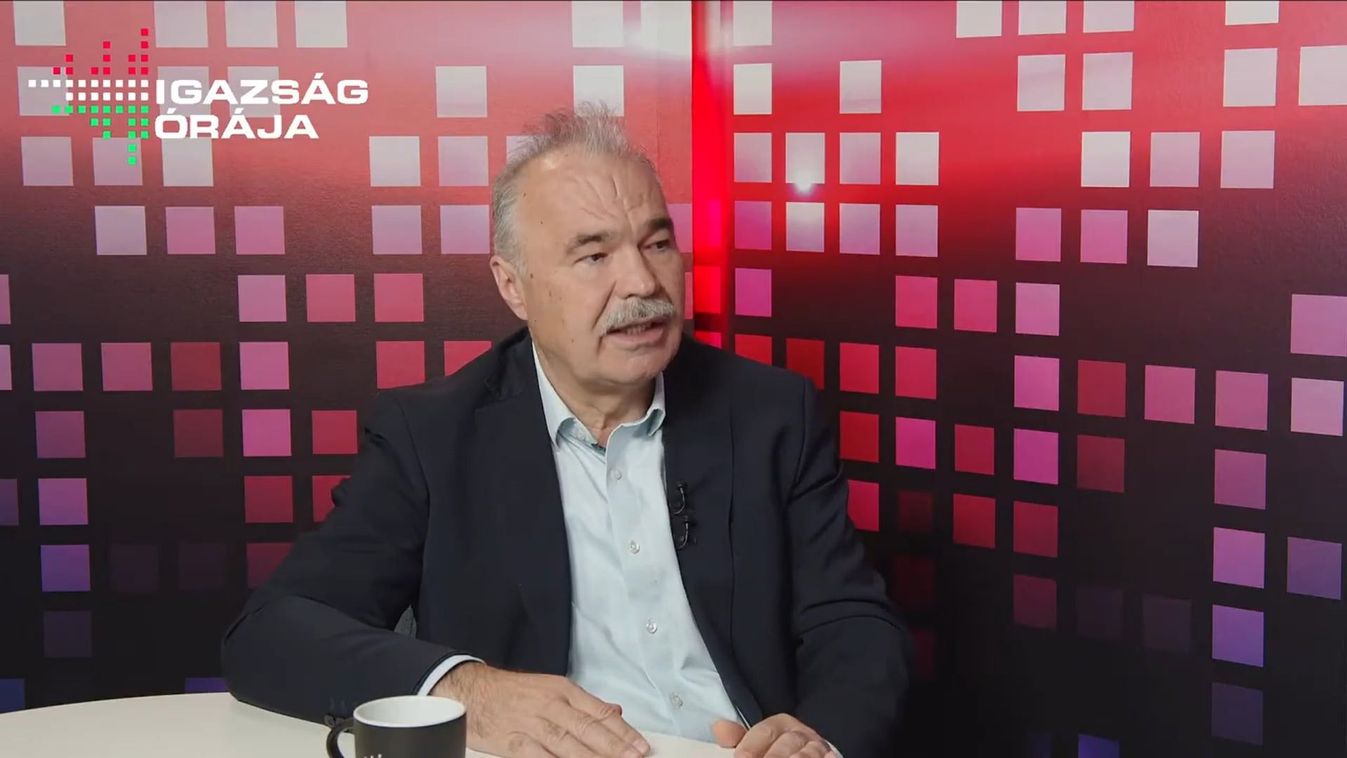
He also referred to a remark by Zoltan Tarr suggesting that not everything is being disclosed because it would lead to political failure, which the minister described as an early warning sign of the risks associated with the Tisza Party. He questioned how the party finances its activities, noting that it has no state funding due to having no parliamentary mandates, which he said poses serious risks.
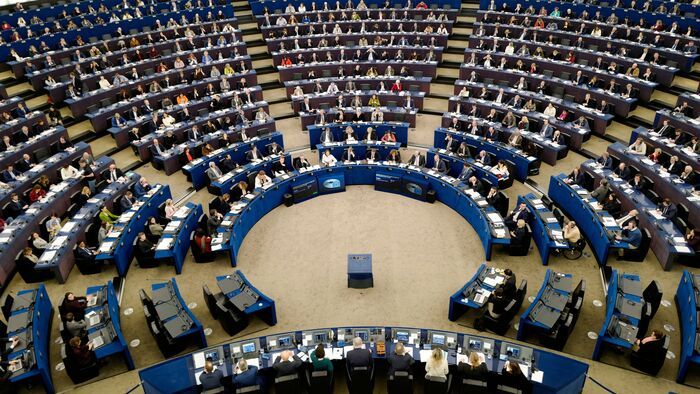
Theater in Brussels
The discussion also covered the issue of Russian oil. Balazs Nemeth recalled reports in the Slovak press suggesting that Brussels is not exerting real pressure on Ukraine to restart the Druzhba oil pipeline.
If Brussels wanted it, oil would already be flowing,
the minister said.
He added that they are quietly hoping Hungary ends up in a difficult position, pointing to remarks by Kinga Kollar as evidence of this attitude. Brussels’ pro-Ukraine economic policy could push the European Union toward the brink of collapse, particularly in agriculture, the minister added.
Threats Against Hungary
Commenting on reports that Hungary and Foreign Minister Peter Szijjarto were threatened by Germany at the Foreign Affairs Council meeting of foreign ministers, Istvan Nagy said: “I am fortunate that privately they are always on my side, they just do not dare say so in the plenary.” He said that after meetings, colleagues often express support informally, but fail to stand up publicly. Referring to the German foreign minister’s remarks, he stressed:
It is unacceptable for an EU member state to be treated differently in favor of the interests of a non-member country.
The discussion also addressed protected fuel prices and further remarks by Zoltan Tarr, who, according to the minister, indicated that the Tisza Party intends to split up MOL Group and has set up a working group focused on the company. Istvan Nagy said he often advises people to look at whom parties would appoint as ministers. In his view, the involvement of Istvan Kapitany suggests that the Tisza Party aims to break away from cheap Russian energy, but they do not discuss the plan openly because it would lead to failure. Tisza Party vice-president Zoltan Tarr’s statements, he added, point toward the possible privatization of the state’s stake in MOL.
The April election will decide on issues that cannot be undone, even if we regret them six months later,
Istvan Nagy stressed in conclusion.