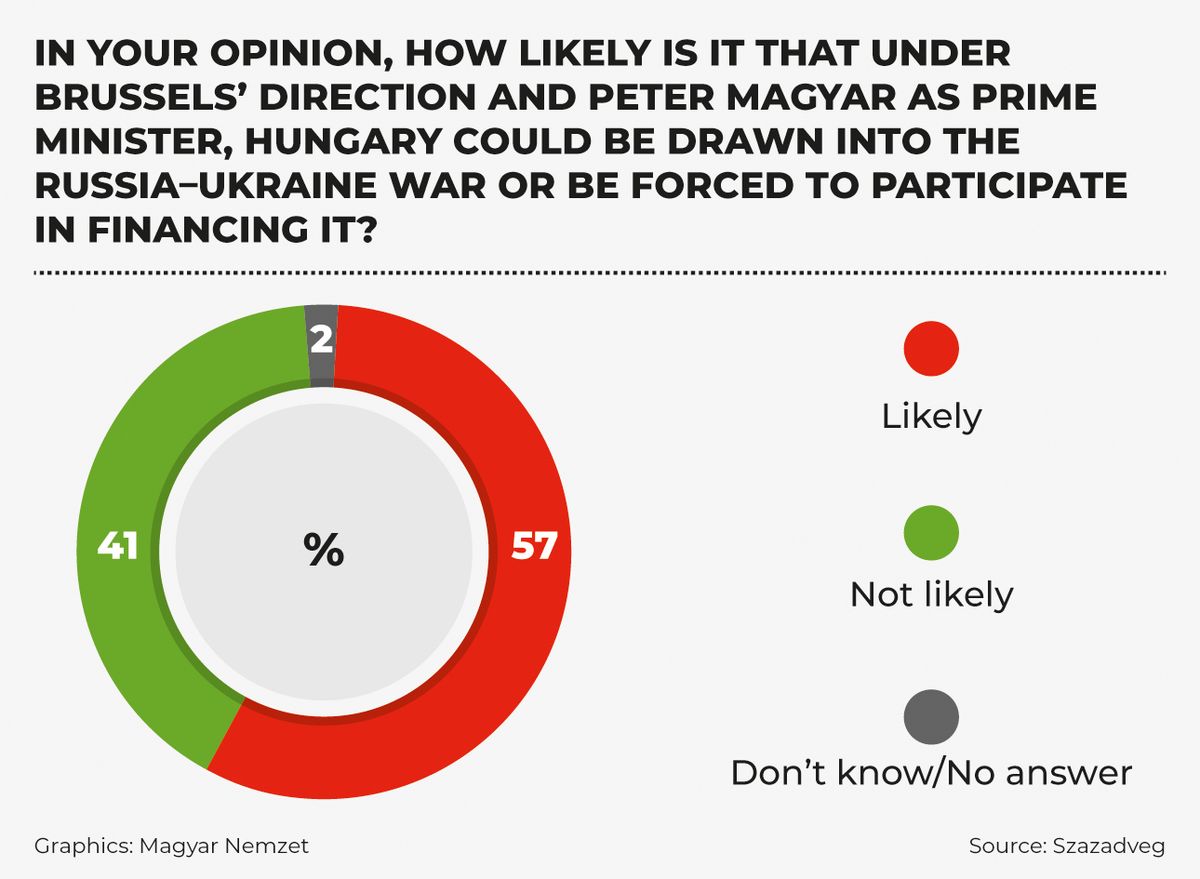
The latest research by Szazadveg indicates that Hungarians clearly see the dangers ahead of them, and the majority now view “change” not as the promise of a better life, but as the risk of rising taxes, higher energy prices, and being drawn into war. Daily news developments reinforce these concerns: Ukrainian attacks on Russian energy infrastructure and pipelines, and Hungary being under an oil blockade. In the Middle East conflict, Iran and Gulf states are mutually destroying each other’s energy infrastructure, already pushing oil prices above 100 dollars per barrel. Just as Iran, Ukrainian President Zelensky is also seeking advantage for his country through the escalation of the conflict, with enthusiastic support from politicians in Brussels. Instead of responding to rising energy prices and the threat of prolonged shortages by returning to Russian energy and pursuing a negotiated settlement in Ukraine, these Brussels politicians are continuing failed sanctions policies, calling for a complete break away from Russian oil and gas and preparing for a new war by 2030 at the latest.

According to some, Hungarians will be deciding on their fate this Sunday. That is why it matters which issues they consider decisive in the final phase of the election campaign, and how they view the leading candidates of the two largest parties. In light of escalating international conflicts and soaring energy prices, it is no surprise, according to Szazadveg, that
56 percent of Hungarians consider the preservation of peace and the stability of the Hungarian economy, along with preventing tax and energy price increases, to be the most important factors in their decision.
Without sufficient and affordable energy, not only would household utility bills double or triple, but factories that moved to Hungary because of its stable energy situation would also leave the country. The fight against corruption was named as the top priority by 42 percent of respondents, while 2 percent did not answer.
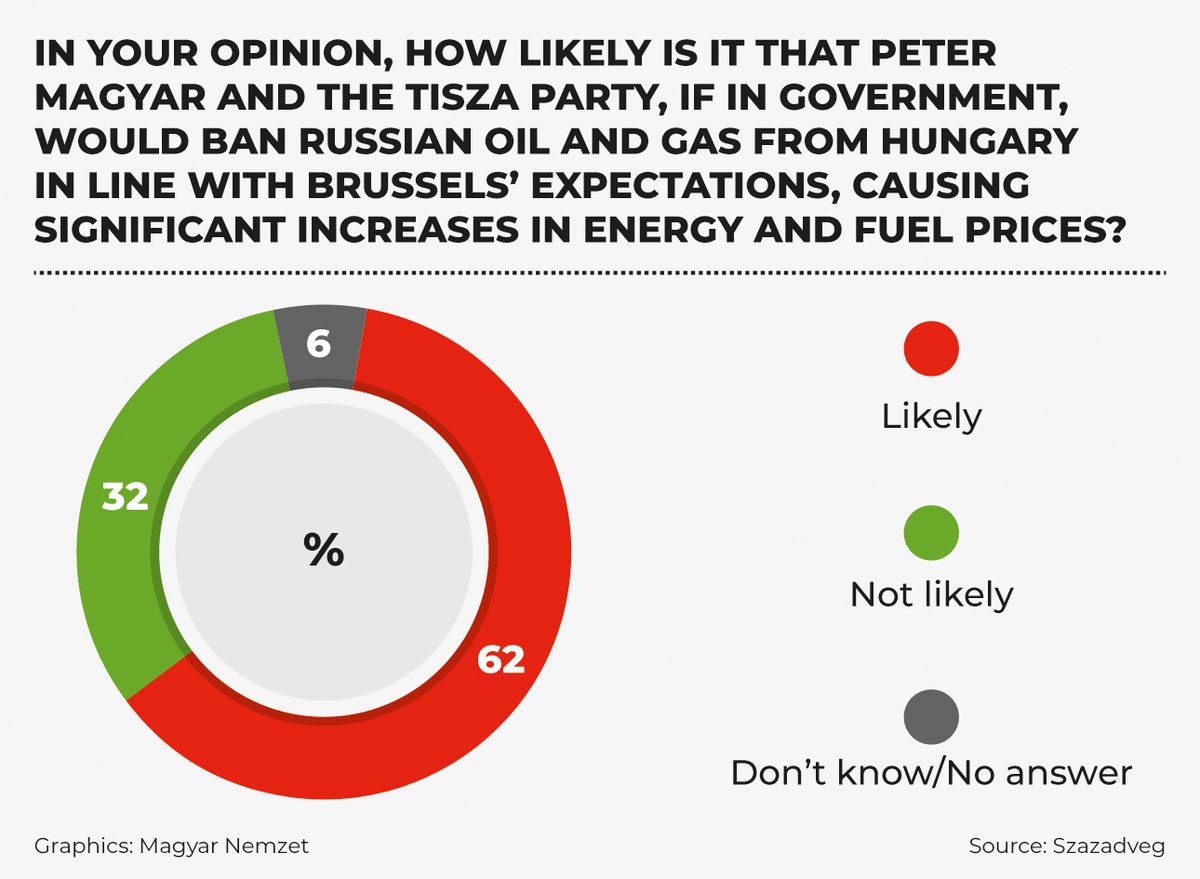
Szazadveg also asked respondents how likely they think it is that a Tisza government would, in line with Brussels’ expectations, completely ban Russian oil and gas from Hungary, leading to significant increases in energy and fuel prices. 62 percent of respondents said this is likely, 32 percent said it is unlikely, and 6 percent did not know or did not respond.


Szóljon hozzá!
Jelenleg csak a hozzászólások egy kis részét látja. Hozzászóláshoz és a további kommentek megtekintéséhez lépjen be, vagy regisztráljon!