Slovak Deputy PM Lashes Out At Hungarians, Claiming They Have Used Land Illegally Since 1945

Robert Kalinak has stirred tensions with a new round of highly controversial remarks, effectively denying the existence of property confiscations tied to the Benes decrees while emphasizing the Slovak Land Fund’s claims. He flatly called it a lie that any Benes-era confiscations had taken place, arguing instead that the land fund is merely asserting its right to assets that, in his view, should have belonged to it since 1945.

2026. 04. 25. 14:17
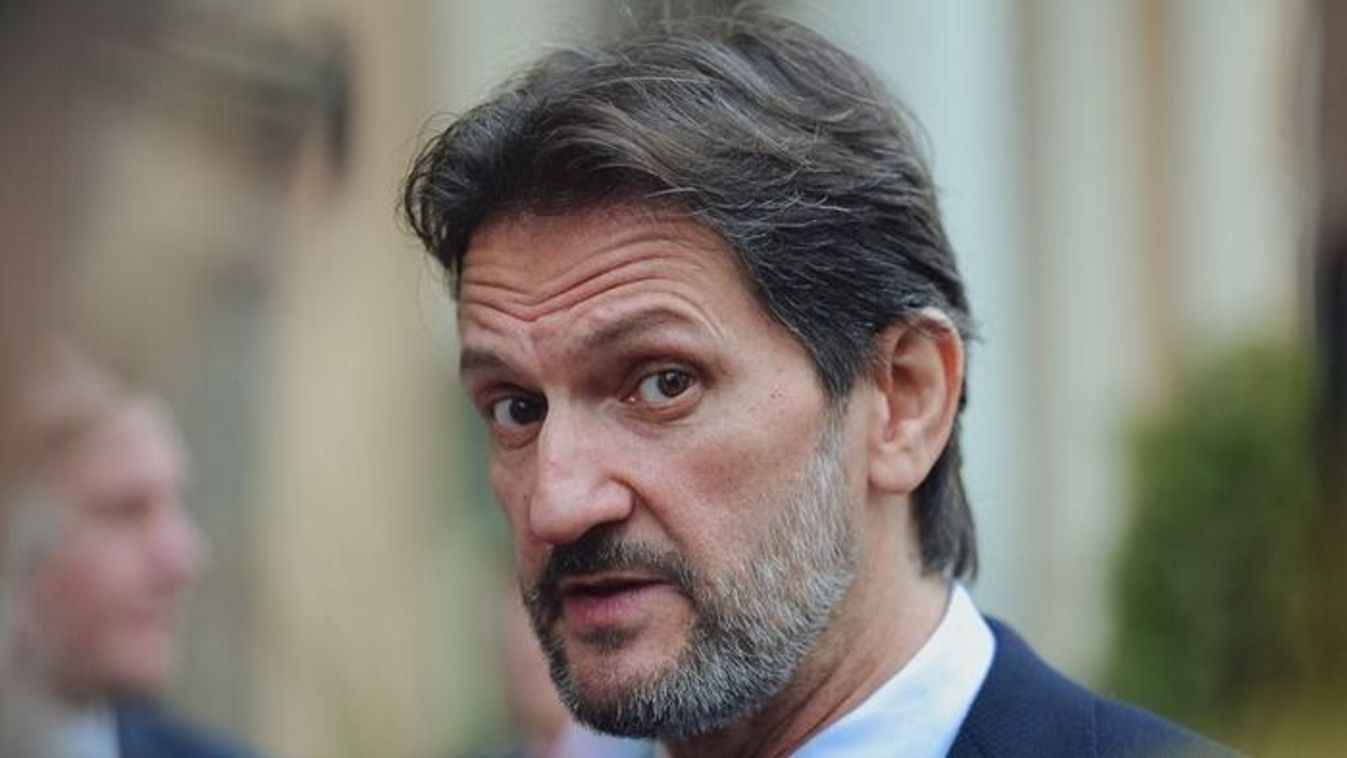
Robert Kalinak, Slovak Deputy Prime Minister (Photo: AFP)
VéleményhírlevélJobban mondva - heti véleményhírlevél - ahol a hét kiemelt témáihoz fűzött személyes gondolatok összeérnek, részletek itt.


The weight of the statement lies in the fact that no one on the government side has previously spoken so openly about the decades-long effort to uphold, even after eighty years, Slovak National Council decisions rooted in the spirit of the Benes decrees, which imposed collective guilt on Hungarians and Germans.

In this context, the deputy prime minister also remarked ironically that the properties in question have been used by unauthorized parties ever since.

The situation that has emerged suggests that the collective attribution of guilt to the German and Hungarian minorities may still serve as a sufficient legal basis for measures amounting to property confiscation, even though such legal grounds are, in principle, no longer considered valid sources of law.

Based on the deputy prime minister’s position, Hungarians—and their descendants—whose properties were not taken after 1945 could still lose their ownership without prior notice and without compensation.

This raises the question of what awaits those who once appeared on deportation lists but, for some reason, remained in their homeland. Could it be possible that, if they are still alive, they might now be deported after all, or held accountable retroactively for the years they spent there? — the Ma7 article asks.

Equally uncertain is the situation of those who, in order to preserve their livelihood and employment, were forced to renounce their Hungarian nationality and underwent “reslovakization” under the regulations of the time. If they are still alive, the question arises whether they could now be held accountable for having—under compulsion—been allowed to exercise their basic rights.

Cover photo: Robert Kalinak, Slovak Deputy Prime Minister (Photo: AFP)

Komment

Összesen 0 komment

A kommentek nem szerkesztett tartalmak, tartalmuk a szerzőjük álláspontját tükrözi. Mielőtt hozzászólna, kérjük, olvassa el a kommentszabályzatot.


Jelenleg nincsenek kommentek.

Szóljon hozzá!

Jelenleg csak a hozzászólások egy kis részét látja. Hozzászóláshoz és a további kommentek megtekintéséhez lépjen be, vagy regisztráljon!

A téma legfrissebb hírei

Tovább az összes cikkhez chevron-right

Ne maradjon le a Magyar Nemzet legjobb írásairól, olvassa őket minden nap!

Google News
A legfrissebb hírekért kövess minket az Magyar Nemzet Google News oldalán is!

Címoldalról ajánljuk

Tovább az összes cikkhez chevron-right

Portfóliónk minőségi tartalmat jelent minden olvasó számára. Egyedülálló elérést, országos lefedettséget és változatos megjelenési lehetőséget biztosít. Folyamatosan keressük az új irányokat és fejlődési lehetőségeket. Ez jövőnk záloga.