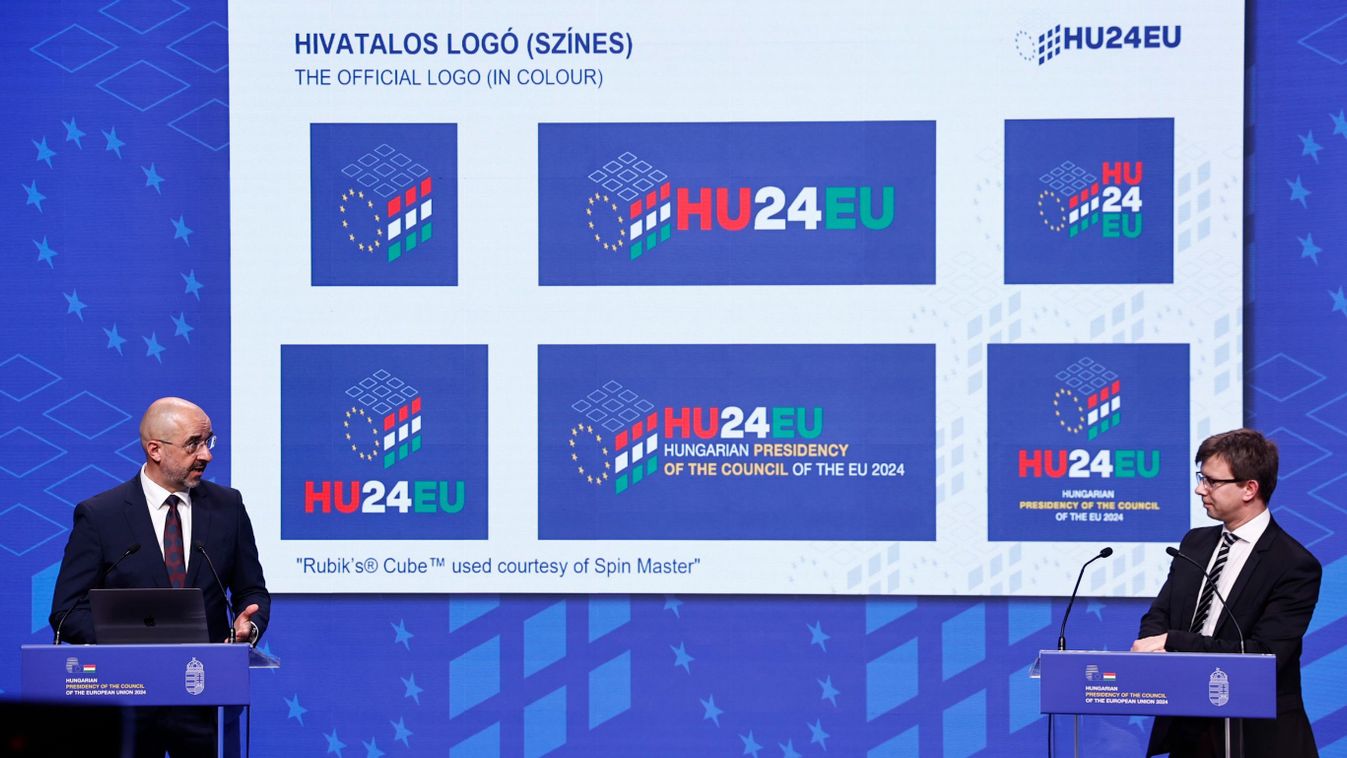
Prior to this year's Hungarian presidency, Belgium held the presidency, and Hungary will be succeeded in the presidency by Poland.
The presidency of the Council of the European Union is both a position of influence and one of limited duration. However, it provides ample time for Hungarian politics, often labeled "anti-European," to demonstrate that it can work for a strong Europe.
This is clearly evident from the Hungarian presidency's new motto: "Make Europe Great Again!"
The Hungarian program identifies seven main priorities, including the adoption of a new European competitiveness pact, strengthening Europe's defense policy, a coherent and merit-based enlargement policy, curbing illegal migration, shaping the future of cohesion policy, a farmer-oriented EU agricultural policy, and tackling the bloc's demographic challenges. To achieve these goals, Hungary will organize formal and informal Council meetings, projects, conferences, and get a chance to invite the EU's leadership to the country.
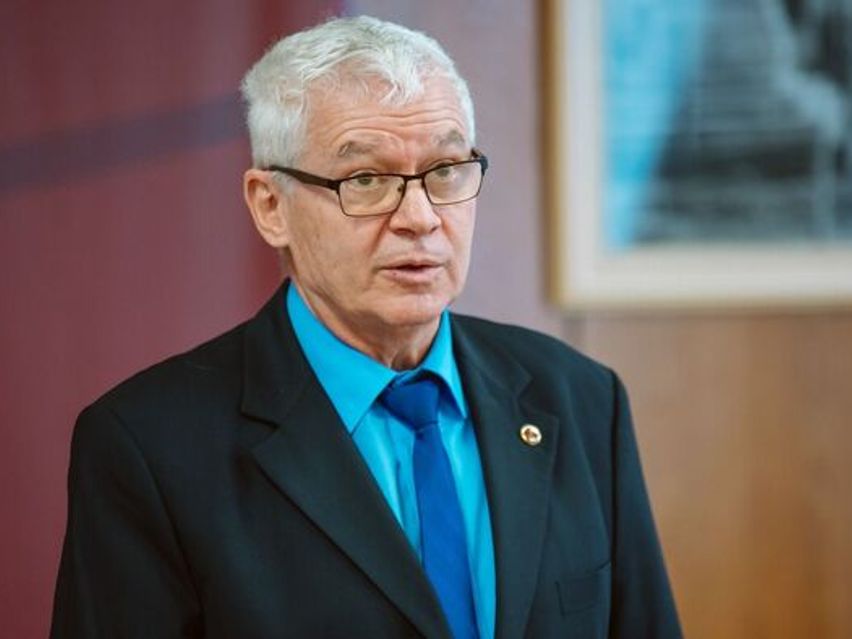
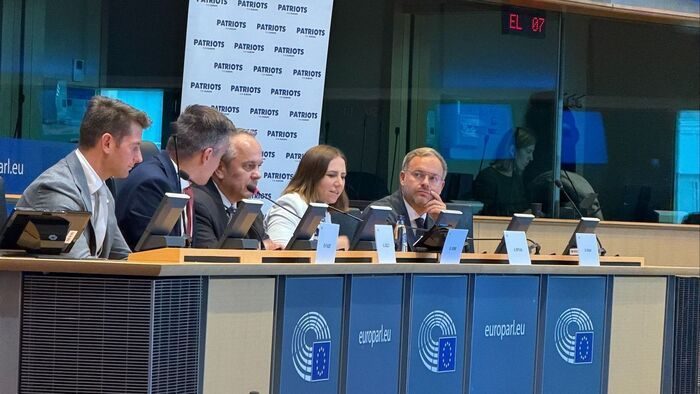
However, the road to Hungary's presidency has not been without its challenges. On several occasions, MEPs have threatened to block the Hungarian presidency, questioning the country's ability to fulfill this role credibly. More than a year ago, they argued that Hungary was violating the EU's core values and not abiding by the principle of loyal cooperation. Later, criticisms emerged that the Hungarian presidency would represent Russian and Chinese interests. Zoltan Kovacs, the government commissioner in charge of the preparation and implementation of the operational tasks of Hungary's 2024 presidency, responded to these allegations by pointing out that
the repeated accusations that Hungary is promoting Russian or Chinese interests are completely unfounded and part of a broader narrative aimed at damaging Hungary's reputation. "We would urge malicious critics to give Hungary the opportunity to demonstrate its capabilities and commitment instead of using false speculation and divisive language,
he said, adding that "the presidency of the Council of the European Union carries with it a significant responsibility, and Hungary is fully aware of the implications. We are committed to serving as an impartial mediator during the presidency, ensuring that the interests of the whole EU are protected."
It is time to finally move beyond these baseless allegations and and focus on our common goals and commitments.
Hungary's Council Presidency comes at a difficult time: the decision on the three most important EU officials, the Presidents of the European Commission and the European Council and the High Representative of the Union for Foreign Affairs - following the EP elections in early June - has created a pro-war coalition in Brussels.