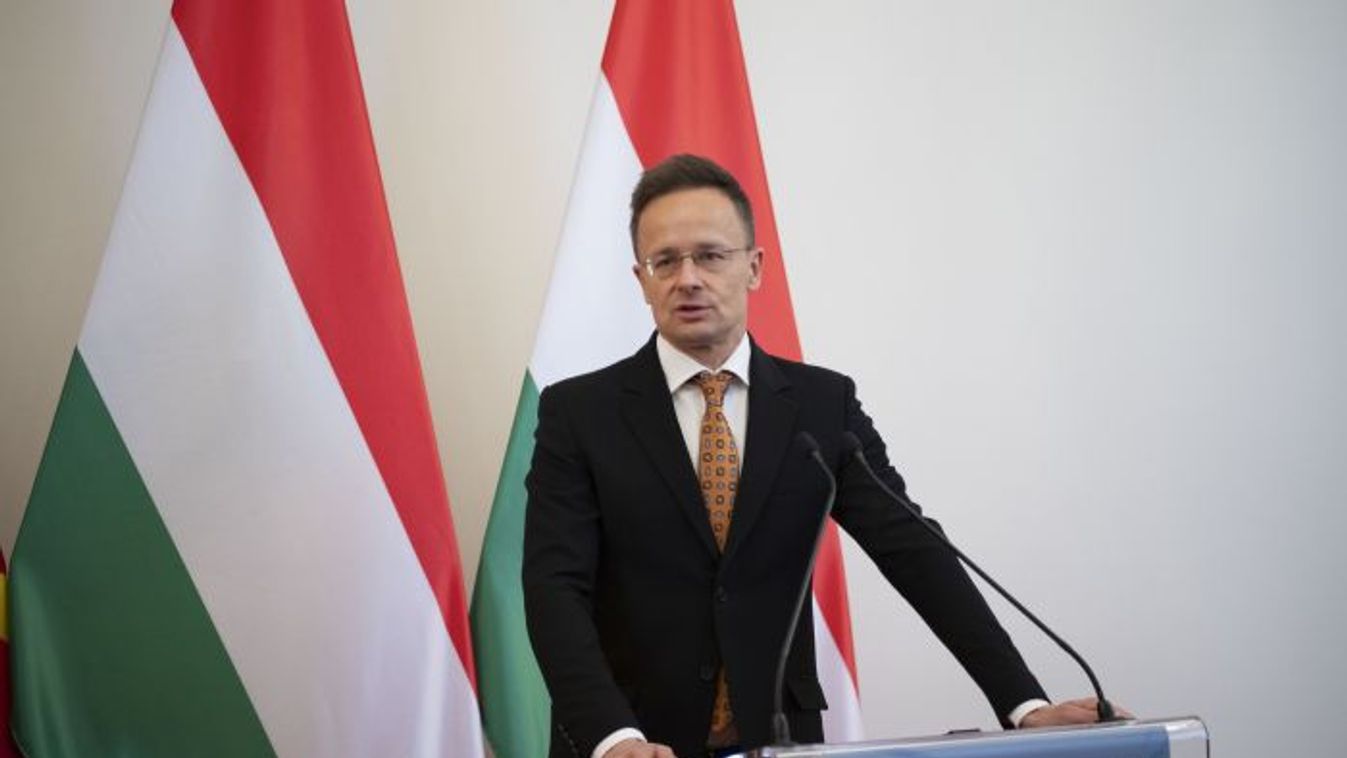
Szijjarto insisted that European politicians should support the U.S. president’s peace efforts rather than obstructing negotiations.
Instead of undermining the path to peace talks, they should be supporting them,
he stated.
He suggested that economic motives might be driving the EU’s continued pro-war stance, or that "the European elite are delaying accountability for the consequences of their botched pro-war policies which have resulted in hardship for ordinary European citizens in their daily lives". He blamed leaders for war-induced inflation, sanctions-driven price hikes, rising energy and food costs, and the depletion of military stockpiles.
If peace talks were to succeed quickly, pro-war politicians would have to face the legitimate question of why they have spent the last three years advocating for the prolongation and expansion of the war, rather than an to the fighting, he said.
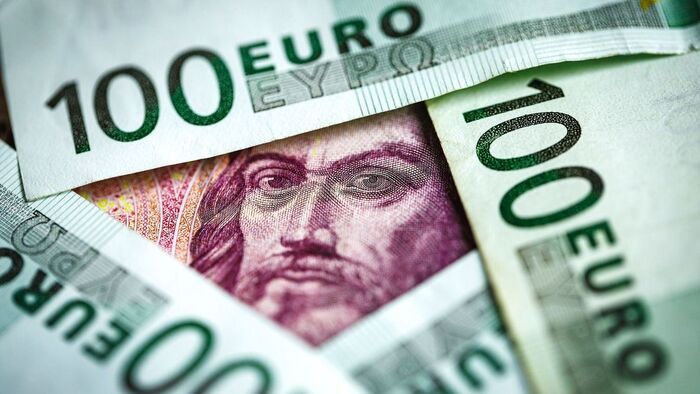
The foreign minister also questioned the whereabouts of the hundreds of billions of euros given to Ukraine under the guise of a loan, claiming that even Ukrainian officials admit they cannot sustain their military or operation of the state independently.
He warned that integrating Ukraine into the EU at an accelerated pace would pose "unprecedented financial, economic, and security risks," but pro-war EU politicians ignore these dangers.