EU Court’s Ruling May Narrow Member States’ Room for Maneuver in Child Protection

Yesterday’s ruling by the Court of Justice of the European Union goes beyond a specific legal dispute: the decision raises fundamental questions about the relationship between member state sovereignty, the constitutional obligation of child protection, and the limits of EU legal interpretation, constitutional lawyer Zoltan Lomnici Jr. told Magyar Nemzet. The Luxembourg-based court’s ruling may signal a centralizing tendency that, in the long run, could restrict national governments’ room for maneuver in shaping child protection regulations, the expert said.

2026. 04. 23. 15:36
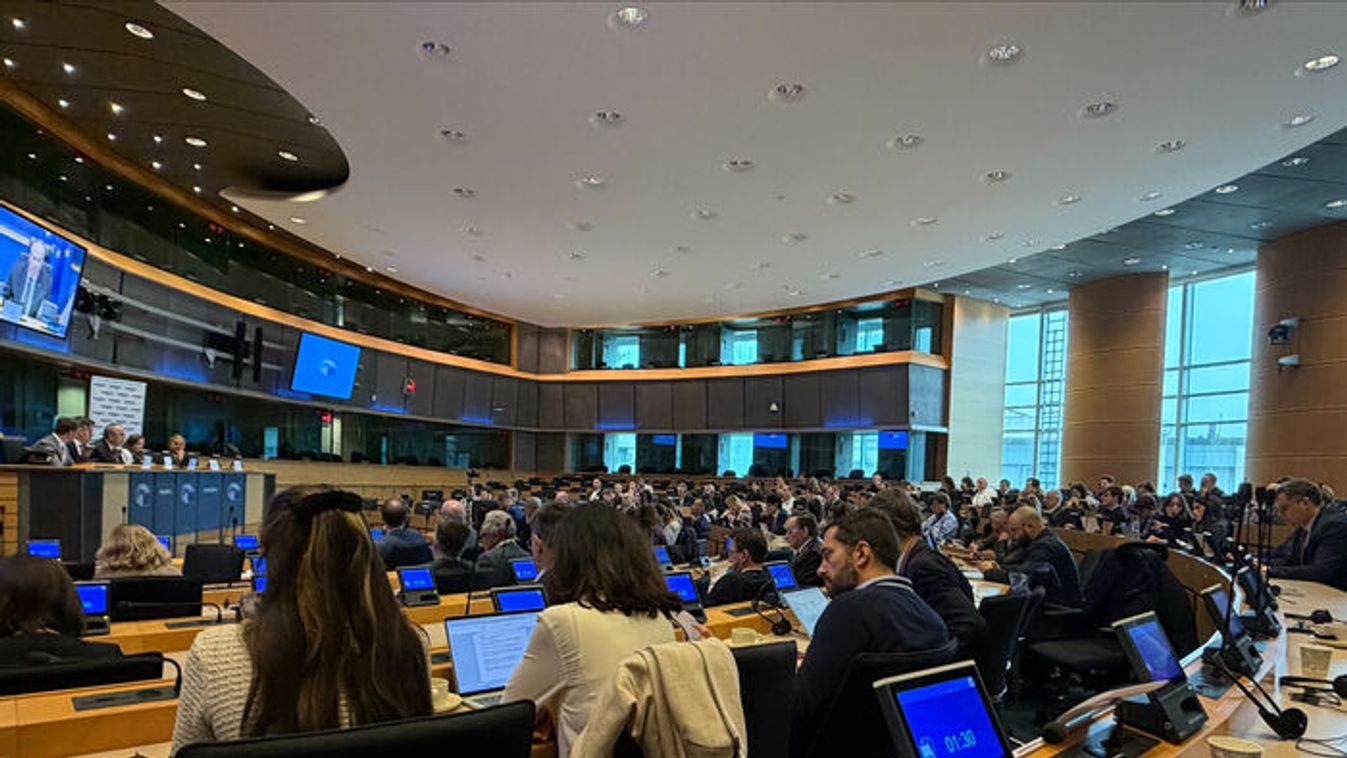
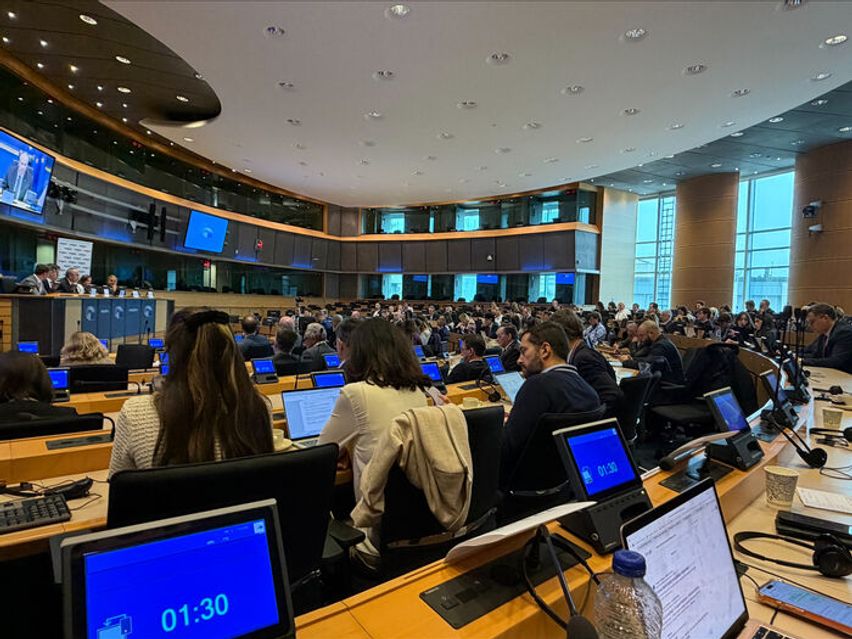
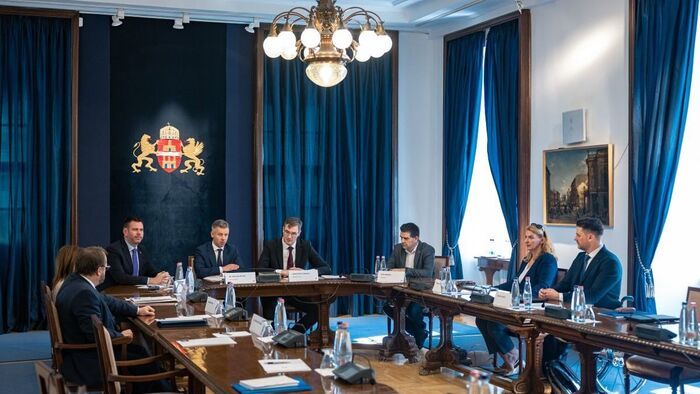
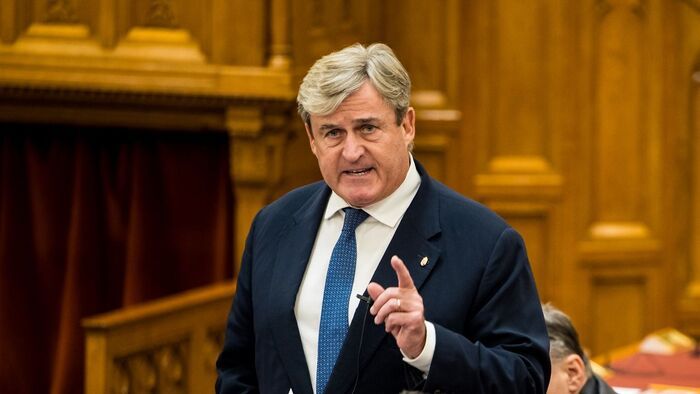
Illustration (Photo: Sandor Csudai)
VéleményhírlevélJobban mondva - heti véleményhírlevél - ahol a hét kiemelt témáihoz fűzött személyes gondolatok összeérnek, részletek itt.

International examples also show that a significant number of democratic states attach particular importance to protecting children from media content, Zoltan Lomnici pointed out .

As an example, he mentioned Germany, where the Jugendschutzgesetz contains detailed regulations regarding content that may endanger the development of minors. The German system applies mandatory age classification for films and video games and prohibits making certain content accessible to minors. The constitutional lawyer also referred to the practice of the United States. As he explained, in the Ginsberg v. New York case, the US Supreme Court likewise recognized that the state may restrict minors’ access to content that could be harmful to them.

Speaking about the timing of the ruling, the expert noted that it is difficult to consider it a mere coincidence that the decision was issued in the current political environment.

Proceedings under Articles 259–260 of the Treaty on the Functioning of the European Union do have structured stages, but the specific timing of the delivery of a judgment falls within the procedural autonomy of the Court of Justice of the European Union,

he said. He added that the court’s rules of procedure do not set a specific deadline for delivering judgments, meaning that determining the timing of a ruling lies within the court’s internal discretion. Zoltan Lomnici also warned that the ruling could have serious political and legislative consequences in Hungary in the future.

The judgment of the Court of Justice of the European Union obliges the member state to terminate the infringement, which may formally require legislative amendments,

he said. However, he stressed that this does not constitute unlimited authorization to dismantle the entire child protection regulatory system.

 Article XVI(1) of Hungary’s Fundamental Law explicitly enshrines the protection of children, which continues to exist as a constitutional obligation,

he emphasized.

However, the constitutional lawyer pointed out that a new government with a two-thirds parliamentary majority could even amend the Fundamental Law.

Under Article S(2) of the Fundamental Law, a two-thirds majority also allows for constitutional amendments. This means that even the current constitutional system of child protection guarantees could be rewritten,

he warned. According to Zoltan Lomnici, this could raise serious rule-of-law concerns.

If the implementation of the EU ruling goes beyond the necessary correction and leads to the weakening of constitutional guarantees of child protection, it may go beyond the original legal dispute and raise the issue of national constitutional identity,

the constitutional lawyer concluded.

As is known, shortly after the Hungarian elections, the Court of Justice of the European Union issued a condemning ruling in the case of Hungary’s child protection law in proceedings initiated by Brussels. According to the Luxembourg court, the regulation violates EU law in several respects, particularly provisions relating to fundamental rights and the functioning of the internal market.

According to the decision, the court objected to restrictions on content related to gender identity appearing in media and advertisements, finding them incompatible with EU regulations. It also found certain elements of the registry of individuals convicted of pedophile crimes to be unlawful.

The procedure was launched in 2021 by the European Commission, which argued that the Hungarian law violates several EU norms. According to the Commission’s position, the regulation conflicts not only with the provisions of the EU Charter of Fundamental Rights, but also affects the free movement of services and data protection rules. At the same time, the court emphasized that child protection is in itself a legitimate objective, but the tools applied by the Hungarian regulation do not meet the necessity and proportionality test required by EU law. According to the ruling, the contested provisions are overly general and are not tailored to specific, individual risks.

Cover photo: Illustration (Photo: Sandor Csudai)

Komment

Összesen 0 komment

A kommentek nem szerkesztett tartalmak, tartalmuk a szerzőjük álláspontját tükrözi. Mielőtt hozzászólna, kérjük, olvassa el a kommentszabályzatot.


Jelenleg nincsenek kommentek.

Szóljon hozzá!

Jelenleg csak a hozzászólások egy kis részét látja. Hozzászóláshoz és a további kommentek megtekintéséhez lépjen be, vagy regisztráljon!

A téma legfrissebb hírei

Tovább az összes cikkhez chevron-right

Ne maradjon le a Magyar Nemzet legjobb írásairól, olvassa őket minden nap!

Google News
A legfrissebb hírekért kövess minket az Magyar Nemzet Google News oldalán is!

Címoldalról ajánljuk

Tovább az összes cikkhez chevron-right

Portfóliónk minőségi tartalmat jelent minden olvasó számára. Egyedülálló elérést, országos lefedettséget és változatos megjelenési lehetőséget biztosít. Folyamatosan keressük az új irányokat és fejlődési lehetőségeket. Ez jövőnk záloga.