The Inaugural Session
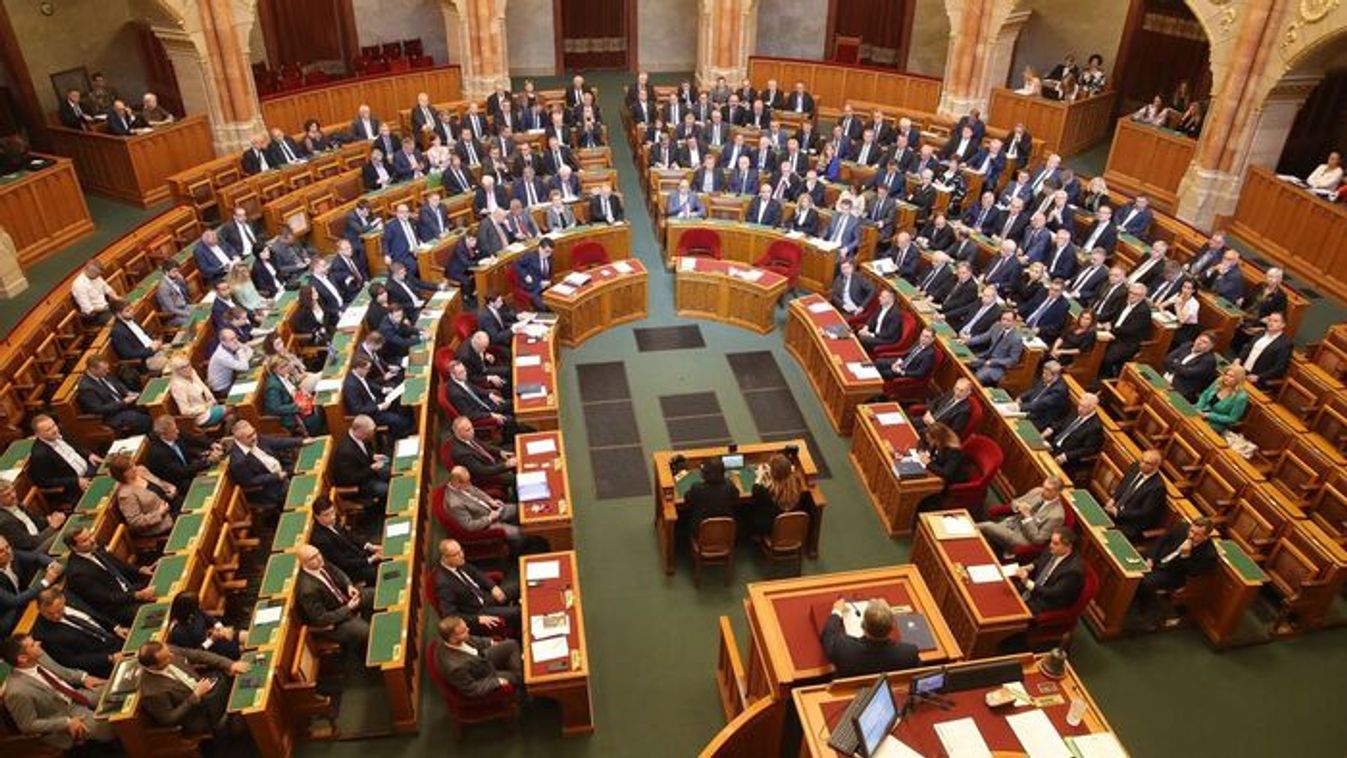
The agenda of the inaugural session has been detailed by the Index news portal. First, the president of the National Election Office reports on the organization and conduct of the election, followed by a report from the chairman of the National Election Commission on the body’s activities during the vote.
Based on the proposal of the mandate verification committee, members of Parliament will have their mandates confirmed and then take the oath of office, officially beginning their work.
This is followed by the election of the speaker, deputy speakers, and notaries of Parliament. There may also be an opportunity to establish standing committees, though this can also take place at a later session.
Election Of The Prime Minister
At the inaugural session, the decision of greatest public interest is made: the election of the new prime minister. The president of the republic nominates a candidate, and Parliament decides by open vote; more than half of all members must support the nominee. Typically, two to three weeks pass between the inaugural session of Parliament and the formation of the new government. In previous elections, the timeline was as follows:
• In 1998, the first Orban government was formed on July 6 (Parliament convened on June 18).
• In 2002, the Medgyessy government was formed on May 27 (Parliament convened on May 15).
• In 2006, the second Gyurcsany government was formed on June 9 (Parliament convened on May 16).
• In 2010, the second Orban government was formed on May 29 (Parliament convened on May 29).
• In 2014, the third Orban government was formed on June 6 (Parliament convened on May 6).
• In 2018, the fourth Orban government was formed on May 18 (Parliament convened on May 8).
• In 2022, the fifth Orban government was formed on May 24 (Parliament convened on May 2).