"Such a crossing is never easy, it wasn't easy for the Ukrainians either, and the Russians can now prepare to prevent further more major crossings of the river," Kis-Benedek added.
Therefore, with small units they perform ancillary operations, which are significant more in terms of PR, instead of more extensive military operations,
he stressed.
The biggest difficulty after the landing is to advance as it is primarily swamplands, impeding mobility. He opined that the positions the Ukrainians have now gained are far from certain to be maintained in the long term, given the Russian military superiority and expected massive response.
Energy system is likely target
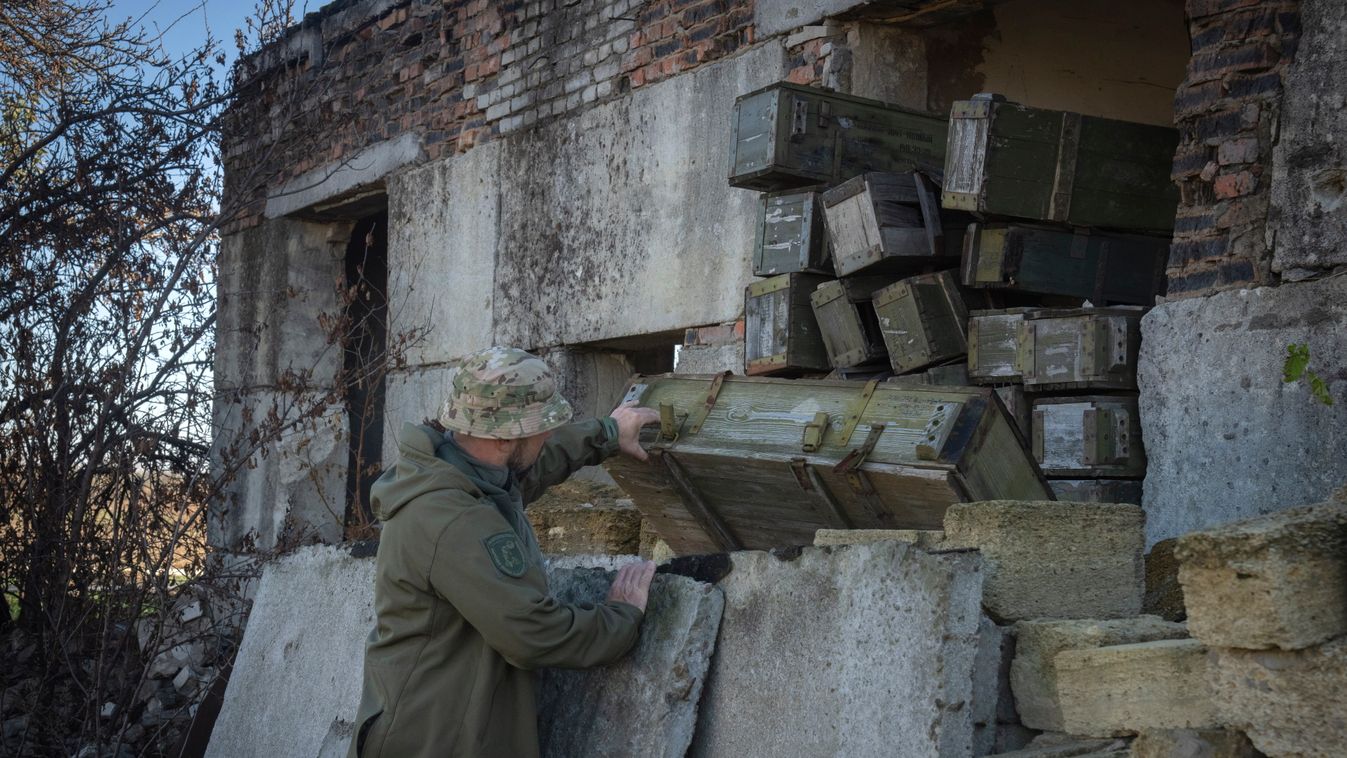
Russian and Ukrainian forces have been in a stand-off on opposite banks of the Dnieper River since Moscow withdrew from the western part of the Kherson region last November. This was the last significant territorial change in the conflict, since then neither side has managed to achieve a significant breakthrough.
Despite the relatively static front line, both Kyiv and the Kremlin have denied that the conflict had reached a stalemate.
If a major rainy spell comes, the already less than rapid military operations will slow even further, but that does not mean an end to the war, the expert pointed out. "It is conceivable," he continued, that "there will be more air operations, but they could also attack by sea, as there are no obstacles to that."
Both sides would strive to diminish the other's energy system. Just as could be seen last year when the Russians eroded the Ukrainian energy system, this can be expected this year as well, but now the Ukrainians will also try to attack the infrastructure related to the operational areas. What must be kept in mind is that Russia has multiple energy supply systems that can be used to compensate for possible outages,
the security expert warned.