PM Orban: Hungary's Economy in New Growth Phase, Heading for 1M-Forint Average Salary

Hungary's prime minister presented the latest government decisions.

2025. 01. 31. 10:42
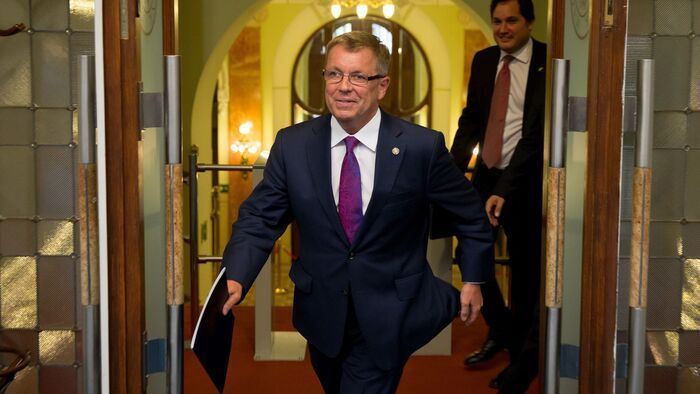
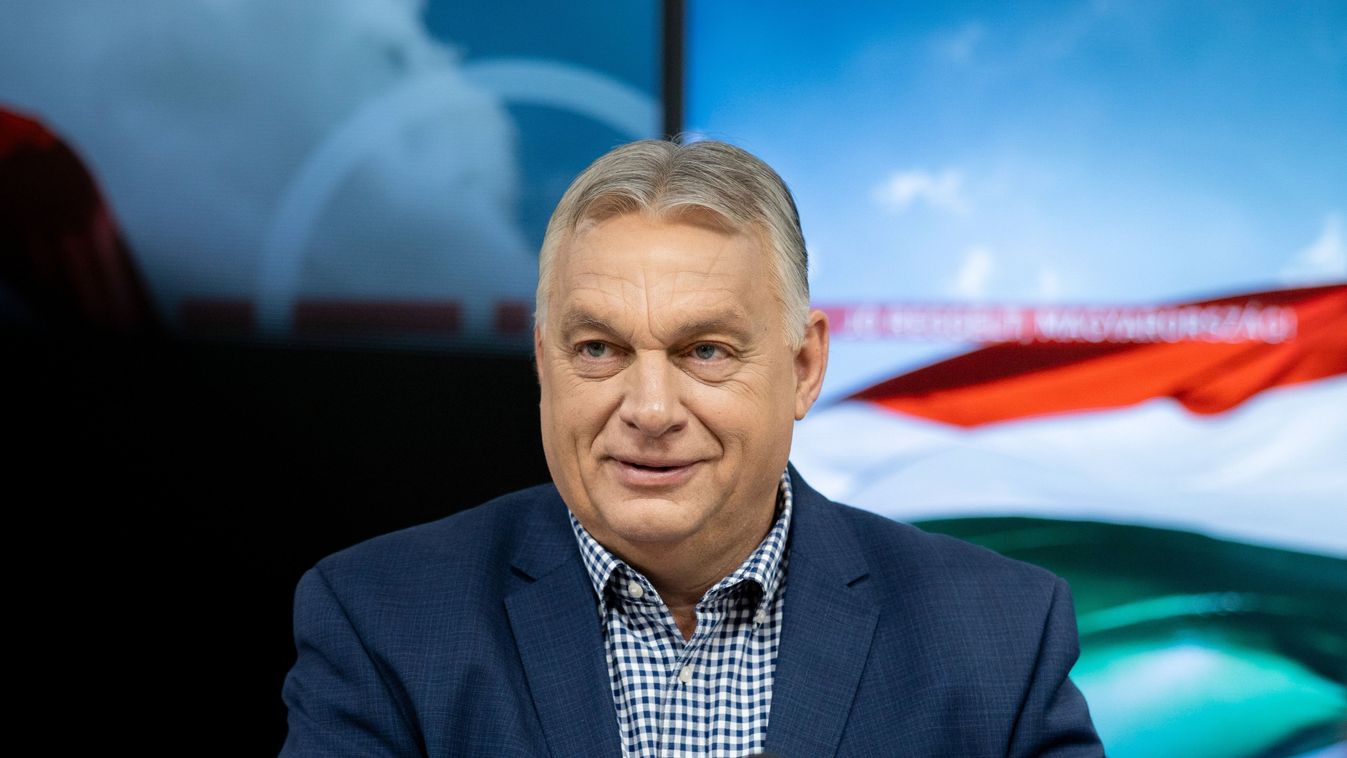
Hungarian Prime Minister Viktor Orban (Photo: MTI/Hungarian PM's Press Office/Zoltan Fischer)
VéleményhírlevélJobban mondva - heti véleményhírlevél - ahol a hét kiemelt témáihoz fűzött személyes gondolatok összeérnek, részletek itt.

 Troubles caused by Leftist governments are behind us

The Hungarian prime minister noted that the restoration of the 13th-month pension was the result of a battle. The government typically pays out 500 billion forints at such times and that the removal of this benefit had been a longstanding issue, he said.

The reinstatement of the 13th-month pension is a sign that we have left behind the troubles caused by Leftist governments,

said Viktor Orban, adding that Brussels wants Hungary to abolish the extra payment.

"We've protected it so far and I insist on it because of the pensioners and the momentum it represents," he said. The prime minister expects there will be a battle over the 13th-month pension, pointing out that the economists behind opposition parties say this benefit is not good."

Hands off the 13th-month pension,

PM Orban emphasized.


Brussels is ruining Germany

He also touched on the situation in Germany, saying

early elections had to be called for in Germany because of failures, but in reality, it is Brussels that is ruining the Germans.

He stated that a national government can mitigate the negative effects of bad EU economic policies, but those who align too closely with Brussels cannot defend themselves. He cited the green transition as a prime example, claiming that it was implemented against business interests.
Regarding Hungary’s position, Mr Orban expressed pessimism about the future of Western Europe. He warned that if major states do not take a stand and push back against Brussels's dictates, they will not have a bright future. He noted that Germans have started rebelling—not yet in economic, but in migration policies.

Even leftists have told conservatives that only Hungary has dared to take such steps so far, he remarked, but predicted that Germany will eventually push back economically as well. While Hungary’s economy is heavily dependent on the German market, he stressed the importance of diversification by seeking Eastern and alternative markets. "We called this 'Opening to the East' at the time," he said.  Regarding the Friendship oil pipeline, he stated that the oil flow did indeed stop, but the supply problem has been successfully resolved.


Sanctions and the war: Europe vs US 

On the issue of sanctions, the PM explained that Europeans want to intensify them to help Ukraine win the war. However, the new US secretary of state recently admitted in an interview that it was dishonest to make the world believe Ukraine could win. "Americans want peace, and they see sanctions as a tool to achieve it. These are two completely different mindsets: Europe is operating from a war-oriented logic, while the US from a peace-oriented one," he said.

Hungary, having lost €19.5 billion over the past few years due to sanctions, aims to recover these funds. PM Orban reiterated that Hungary never supported the sanctions but did not veto them to avoid paralyzing the EU. However, Ukraine’s behavior forced Hungary to take a stand.

"We had to firmly state that we will revoke the sanctions—but only as a last resort. That’s why we had to negotiate hard in Brussels to ensure that sanctions do not threaten Hungary’s energy security and prices. The European Commission promised to secure Russian gas transit through Ukraine." 
He warned that if Brussels fails to deliver on this promise, Hungary will remove its support for the sanctions. Otherwise, "they will take us for fools, and we will continue paying for Ukraine’s war."


Conflicts with Brussels

The prime minister also highlighted

 the government's ongoing disputes with Brussels, particularly over child protection laws. He accused the European Parliament of having Hungarian opposition MEPs sue Hungary to revoke EU funds that had already been allocated to the country. Another key conflict is over the abolition of household utility cost cuts. Viktor Orban stressed that navigating these issues requires political skill.

"Brussels bureaucrats have not changed—they continue to abuse their power. Over the next year, the fight against them will remain a constant part of Hungary’s political agenda," he concluded.
The interview aired on Kossuth Radio’s "Good Morning, Hungary!" program on Friday morning.

Cover photo: Hungarian Prime Minister Viktor Orban (Photo: MTI/Hungarian PM's Press Office/Zoltan Fischer)


Komment

Összesen 0 komment

A kommentek nem szerkesztett tartalmak, tartalmuk a szerzőjük álláspontját tükrözi. Mielőtt hozzászólna, kérjük, olvassa el a kommentszabályzatot.


Jelenleg nincsenek kommentek.

Szóljon hozzá!

Jelenleg csak a hozzászólások egy kis részét látja. Hozzászóláshoz és a további kommentek megtekintéséhez lépjen be, vagy regisztráljon!

A téma legfrissebb hírei

Tovább az összes cikkhez chevron-right

Ne maradjon le a Magyar Nemzet legjobb írásairól, olvassa őket minden nap!

Google News
A legfrissebb hírekért kövess minket az Magyar Nemzet Google News oldalán is!

Címoldalról ajánljuk

Tovább az összes cikkhez chevron-right

Portfóliónk minőségi tartalmat jelent minden olvasó számára. Egyedülálló elérést, országos lefedettséget és változatos megjelenési lehetőséget biztosít. Folyamatosan keressük az új irányokat és fejlődési lehetőségeket. Ez jövőnk záloga.