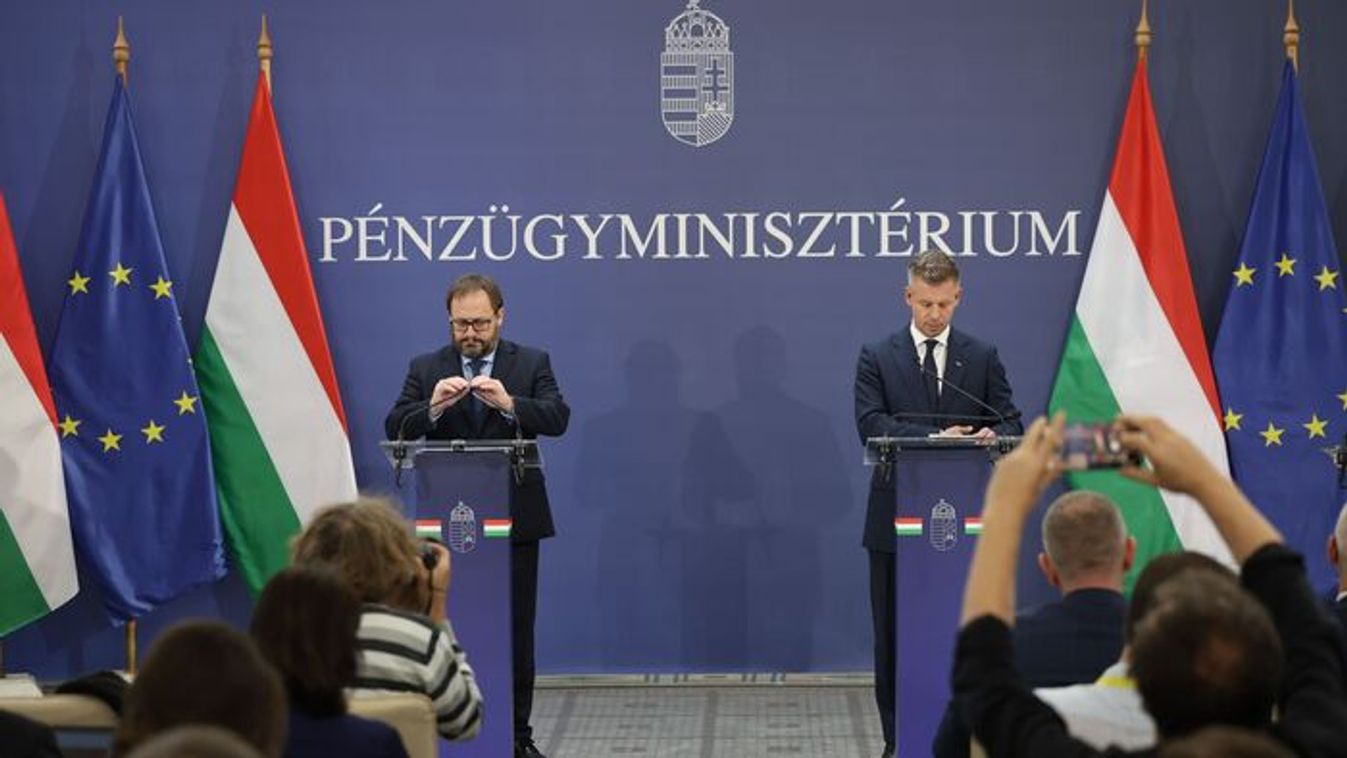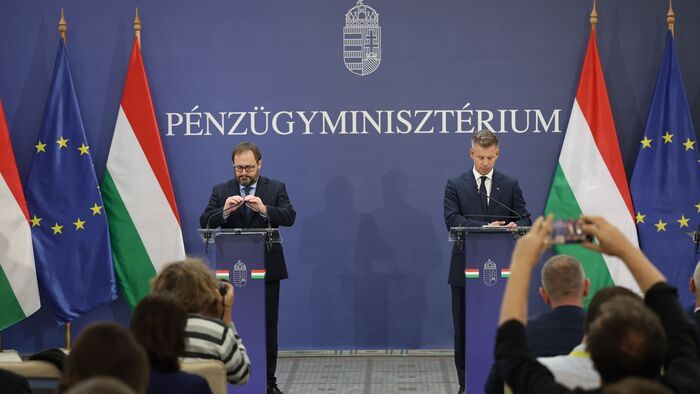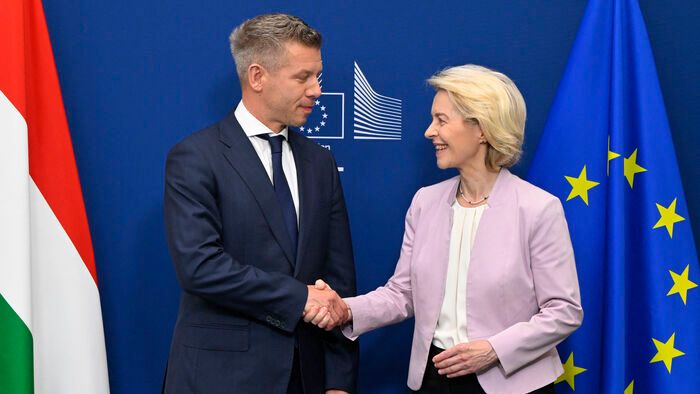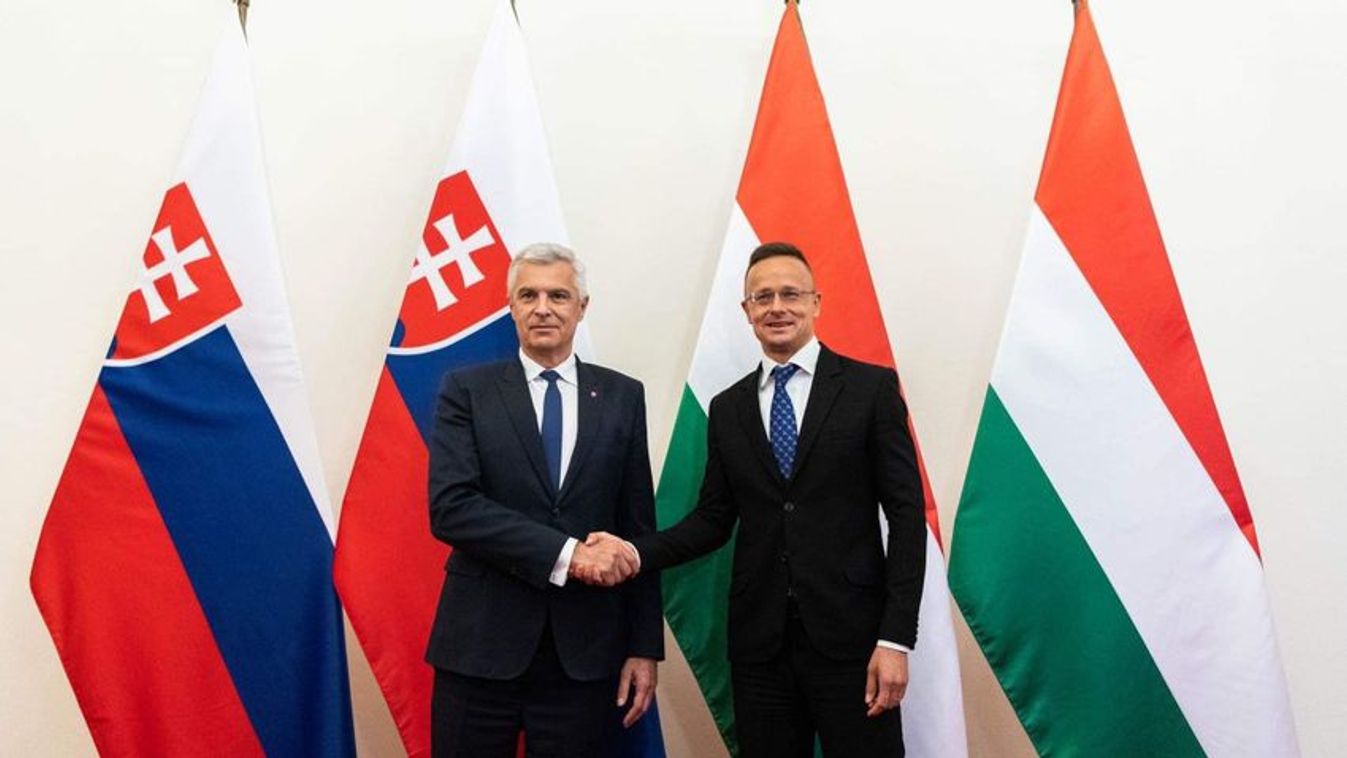
At the Ministries of Foreign Affairs' joint press conference, Péter Szijjártó said, “we are so close to each other that we have grown accustomed to not holding separate meetings for just the two of us.” He emphasized thatit is especially important for neighbors to occasionally hold exclusive meetings to discuss bilateral matters, particularly now with war in our neighborhood.Péter Szijjártó said that since Slovakia and Hungary are both neighboring countries of Ukraine, they face direct dangers and challenges caused by the war. “In connection with the war, we are not only facing physical and security challenges, but also economic ones. Energy prices and interest rates are sky-high; according to our calculations, this situation can result in not only a European economic crisis, but a global one as well,” he elaborated.
The global economy is full of tensions; we are under massive international pressure to accept the introduction of a global minimum tax in Europe, but we do not want this,– added Péter Szijjártó, explaining that a global minimum tax would have a dramatic impact on the European economy, and within that, the Hungarian one. Among other things, it would lead to the loss of jobs. He pointed out that at the time of the agreement, there was still talk of implementing more transparent and efficient taxation of large digital technology companies along with a global minimum tax – however, the first half of this plan was “forgotten for some reason,” which he highlighted as also unacceptable. He explained that if this measure were to be enacted by the European Union before anyone else, it would have a very negative effect on the continent’s competitiveness. He added that several American republican representatives and organizations have already made statements in connection with the case, expressing their opposition.