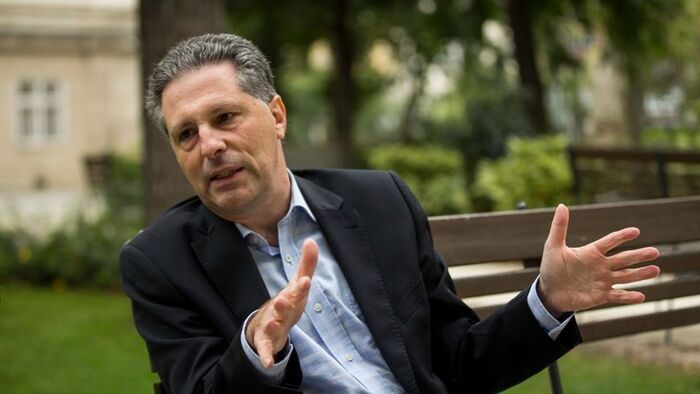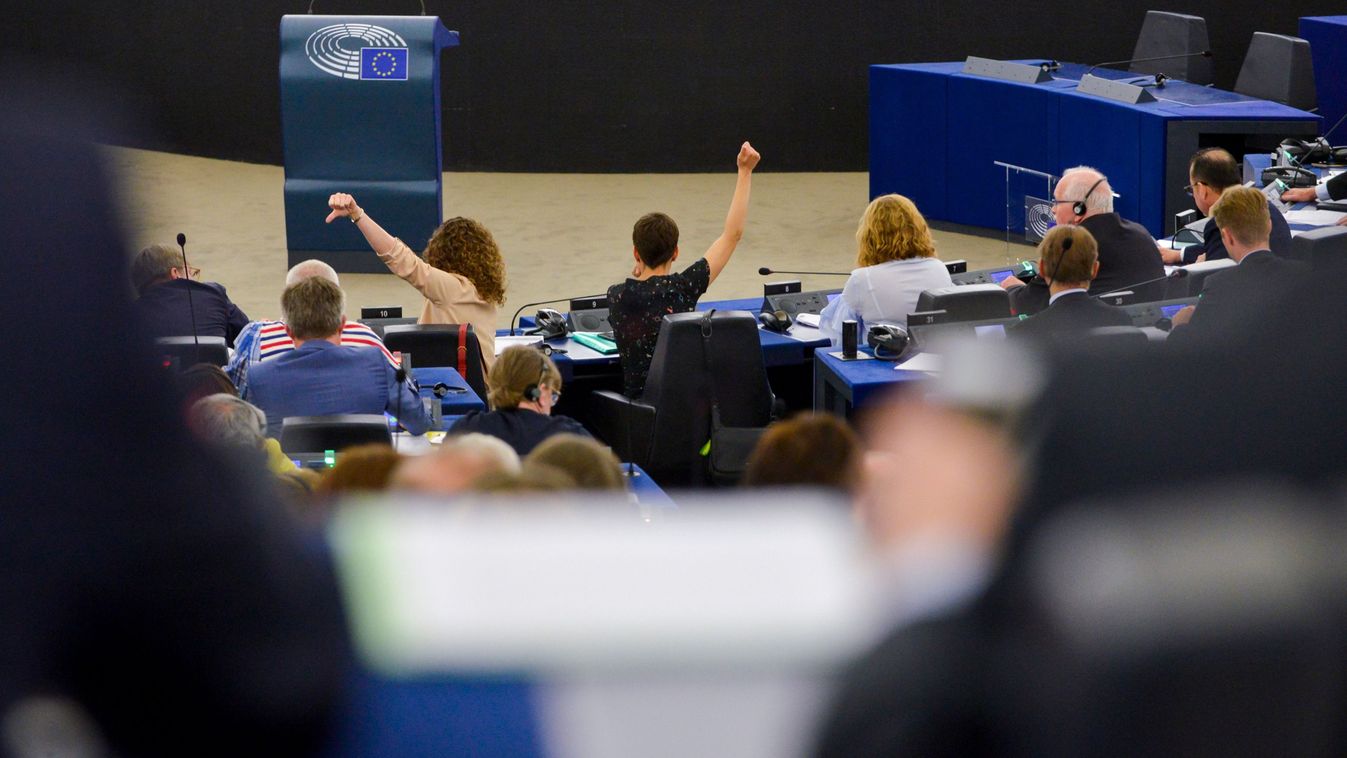
Asked about the intention of some to strengthen the unity of the European Union by abolishing the member states’ right to veto, he said that this would be a mistake. Member states should instead seek consensus or close positions even in case of decisions where unanimity is not required.
Janos Boka also stressed that Hungary would hold the rotating presidency of the Council of the European Union in the second half of 2024, something that's crystal clear for Hungary, the other member states and the Council. "This is what we are preparing for, and what everyone else is preparing for,”
he added.
It is also necessary to address the issues of conflicts of interest, financial interests and declarations of assets, as the relevant rules of European institutions are very different from one another, and none of them reaches the level of detail and transparency that is customary in the member states, which the European institutions call on the member states to respect, he pointed out.
The preparatory work for the presidency had already begun. The work is being carried out in so-called „trios”, i.e. a group of three member states, holding the presidency in succession. In the current trio, Hungary is preceded by Spain and Belgium. After the trio’s term is completed, another trio will take over, with Poland as the first country of the three.
The trio program sets out the general framework within which the members of the trio presidency will work together. The program includes a Hungarian initiative to examine demographic challenges.
The Hungarian presidency's priorities are still being defined and deciding on them will require a consultation with all member states.