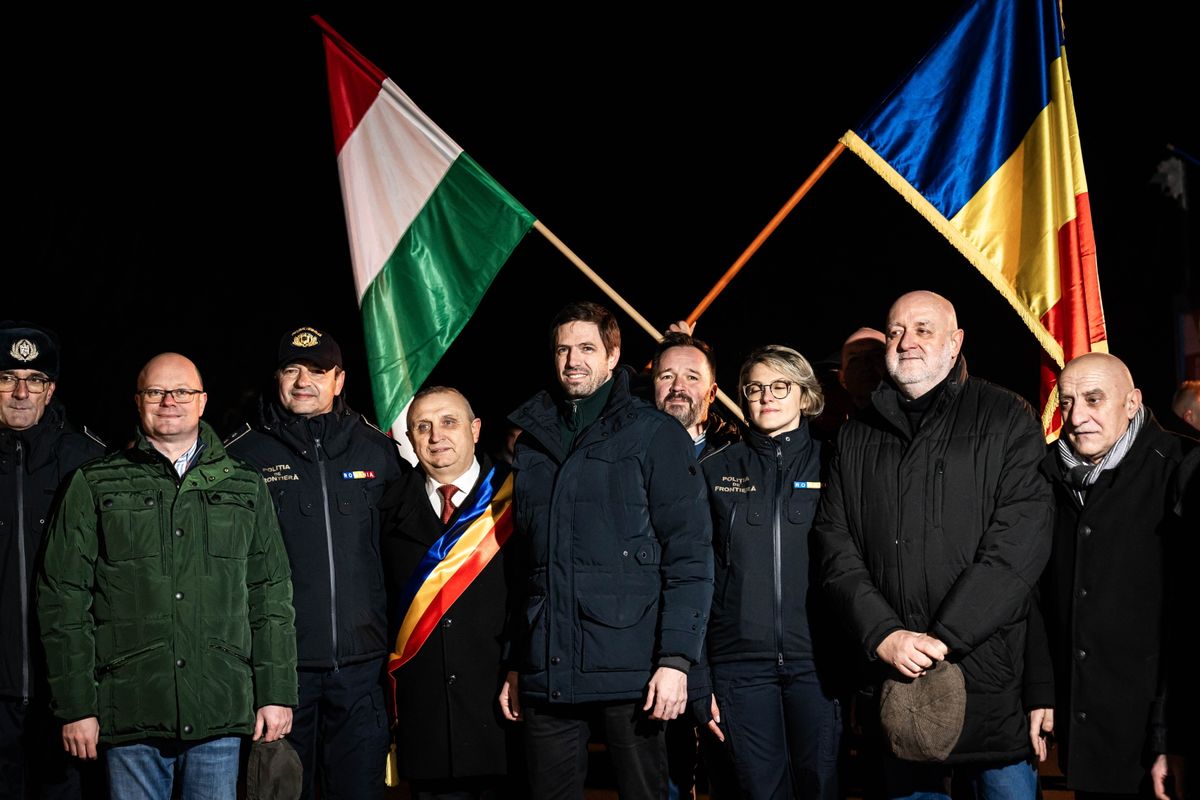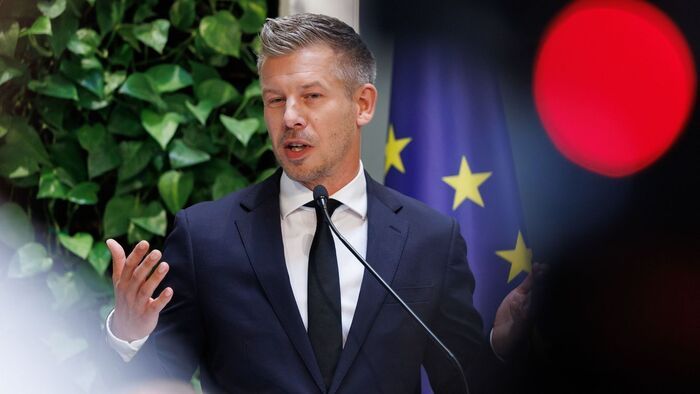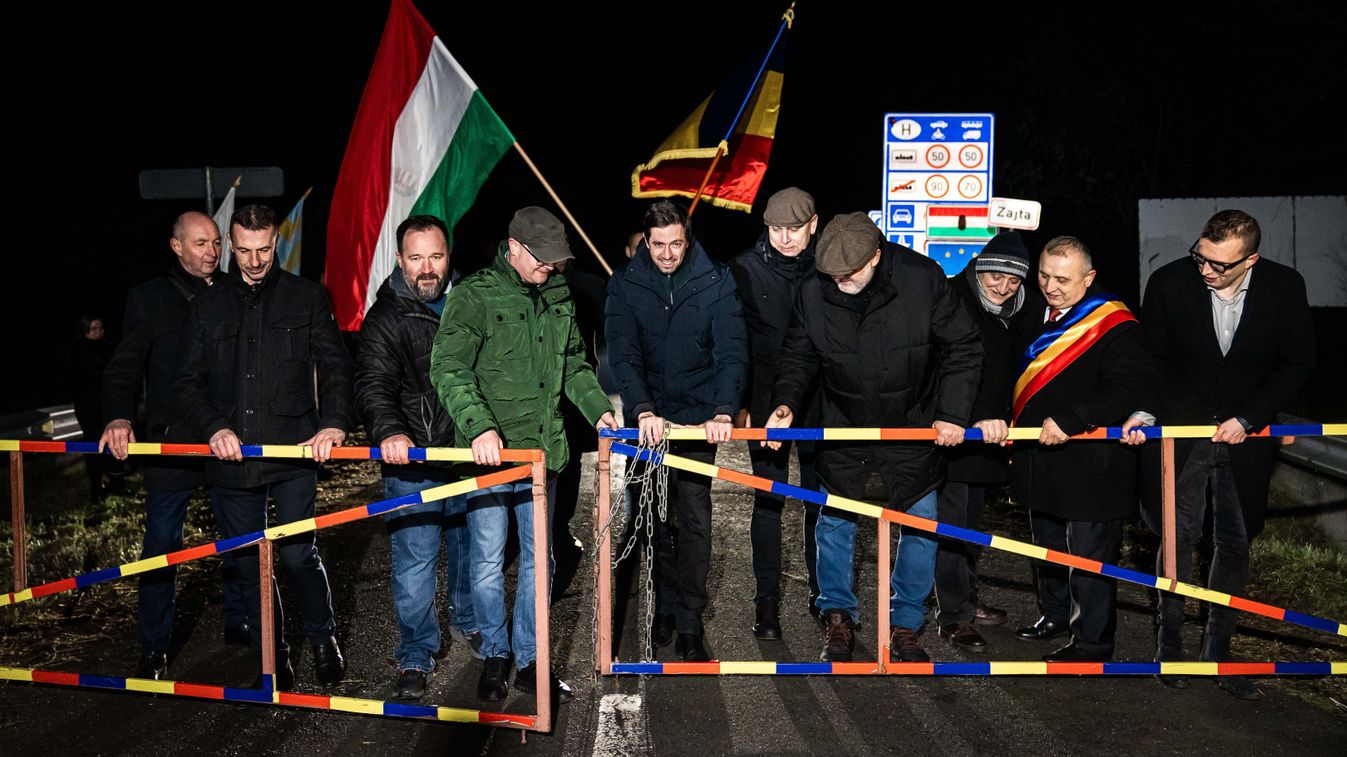
He stressed that the Romanian-Hungarian border was one of the most tightly closed state borders within Europe, despite both countries belonging to the socialist bloc.
How many, primarily Hungarians from Transylvania, paid with their lives, even as late as the second half of the 1980s for risking escape from Ceausescu's prison state. Who would have thought, in those troubled times, that there would once again be freedom, let alone free border crossings?
the politician said, adding,
the wheel of history has now turned and given back something of what was taken away. The opportunity for the joint development of the Hungarian-Romanian border regions, the strengthening of natural economic, social and transport links and, above all, the gift of free movement. First and foremost for those who have suffered most from the existence of this border, the hundreds of thousands of people who live on both sides of the border,
the state secretary stressed.
We are well aware of the amount of tears and pain, individual and community tragedies and lost opportunities are linked to the many decades-long untraversability of this border.
He also mentioned, "the history of economic decline of entire regions of the country, especially on the Hungarian side, when ties to metropolitan centers are severed".