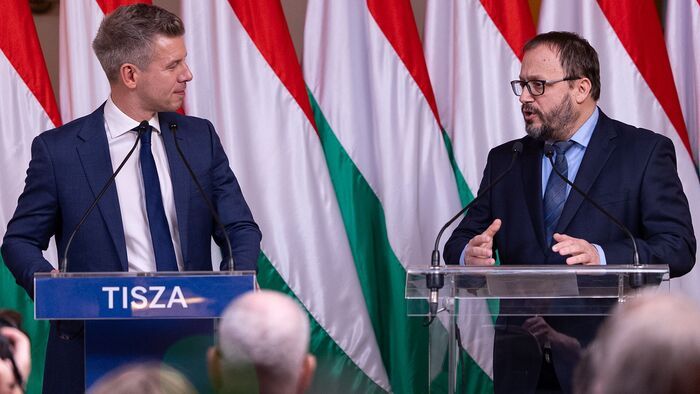
The Tisza Party would introduce a new tax, placing a 1–1.5 percent burden on savings
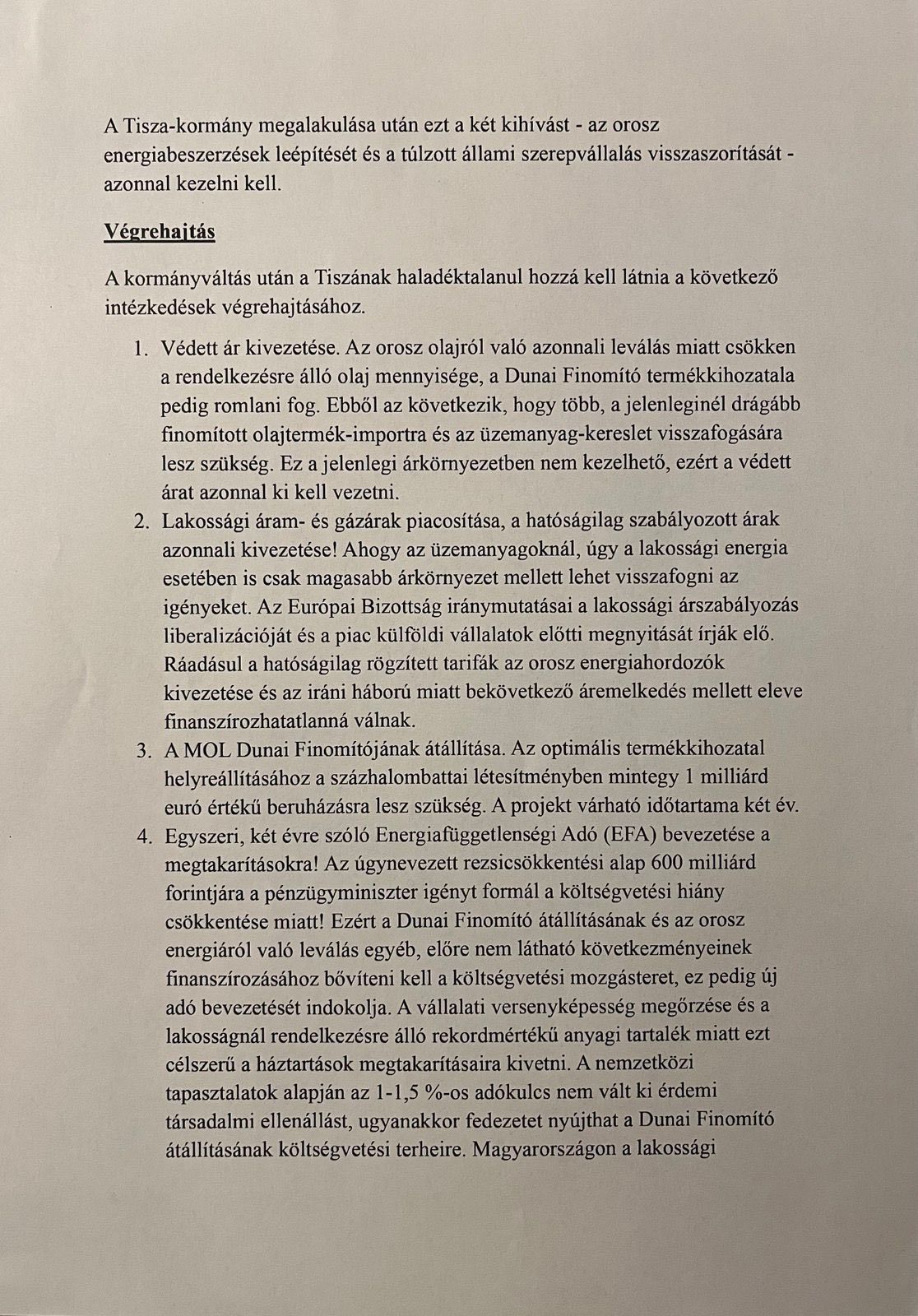
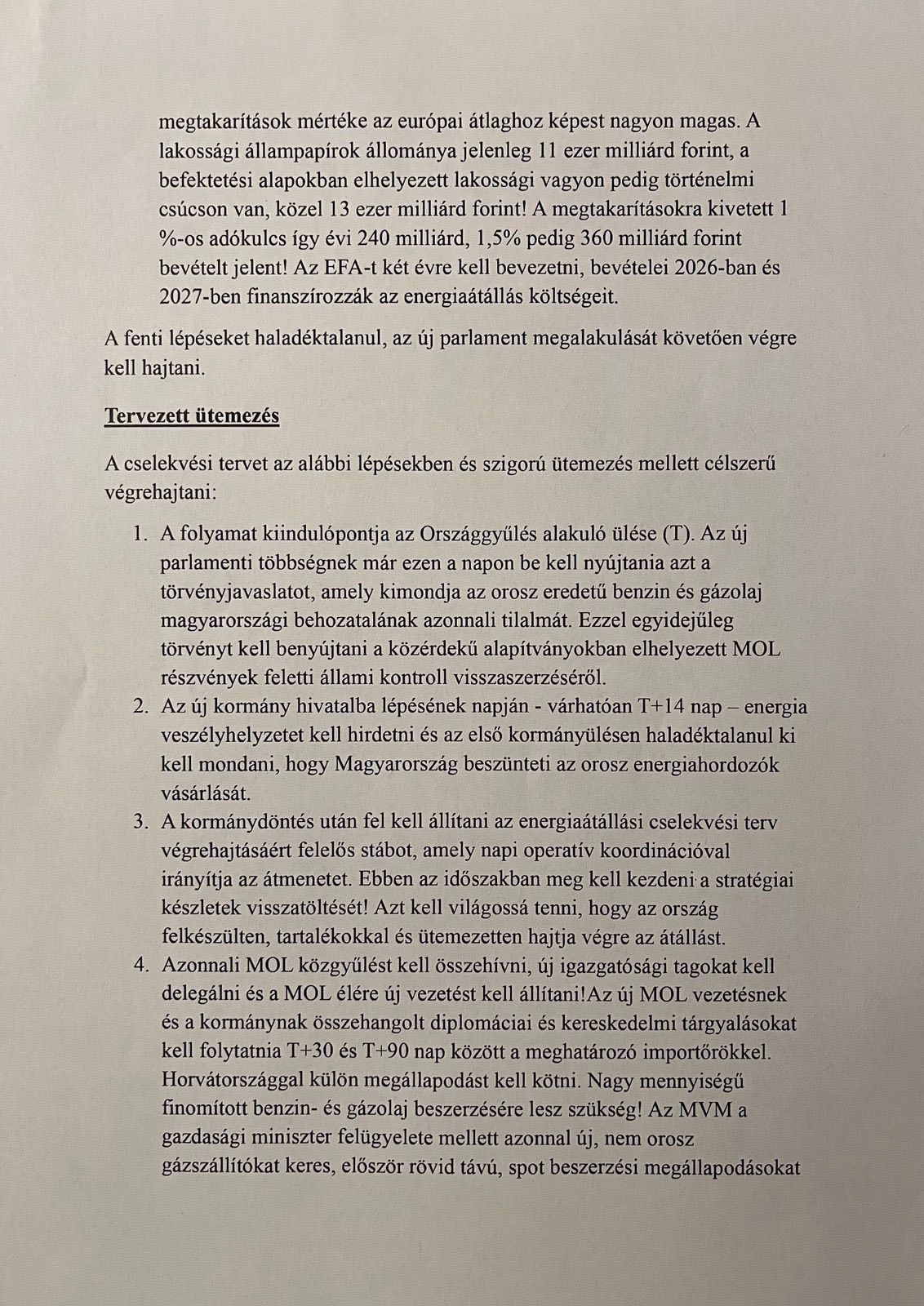
Regarding implementation, the document states that after a change of government, Tisza must immediately begin executing the following measures:
- Phasing out protected pricing: Due to the immediate separation from Russian oil, available supply would decrease and output from the Danube Refinery would deteriorate. This would require increased imports of more expensive refined products and a reduction in fuel demand. Under current pricing conditions, this would be unmanageable, so protected pricing must be abolished immediately.
- Market pricing for household electricity and gas, phasing out regulated pricing without delay: As with fuel, demand can only be reduced in a higher price environment. European Commission guidelines call for liberalizing household price regulation and opening the market to foreign companies. In addition, state-regulated tariffs would become financially unsustainable due to the phase-out of Russian energy and price increases linked to the Iran war.
- Conversion of MOL's Danube Refinery: To restore optimal output, an investment of approximately 1 billion euros would be required at the Szazhalombatta facility, with an expected duration of two years.
- Introduction of a temporary Energy independence tax (EFA) on savings: Because the government intends to use the 600 billion forints in the utility cost reduction fund to reduce the budget deficit, additional fiscal space must be created. This justifies the introduction of a new tax. To preserve corporate competitiveness and given the high level of household savings, the burden would be placed on households. Based on international experience, a 1–1.5 percent tax rate on savings would not trigger significant public resistance, while providing funding for the refinery conversion and other transition costs.