Cover photo: Peter Magyar, president of the Tisza Party (Photo: MTI/Robert Hegedus)
 Itt állíthatja be, hogy a Google keresőben elsők között legyen a Magyar Nemzet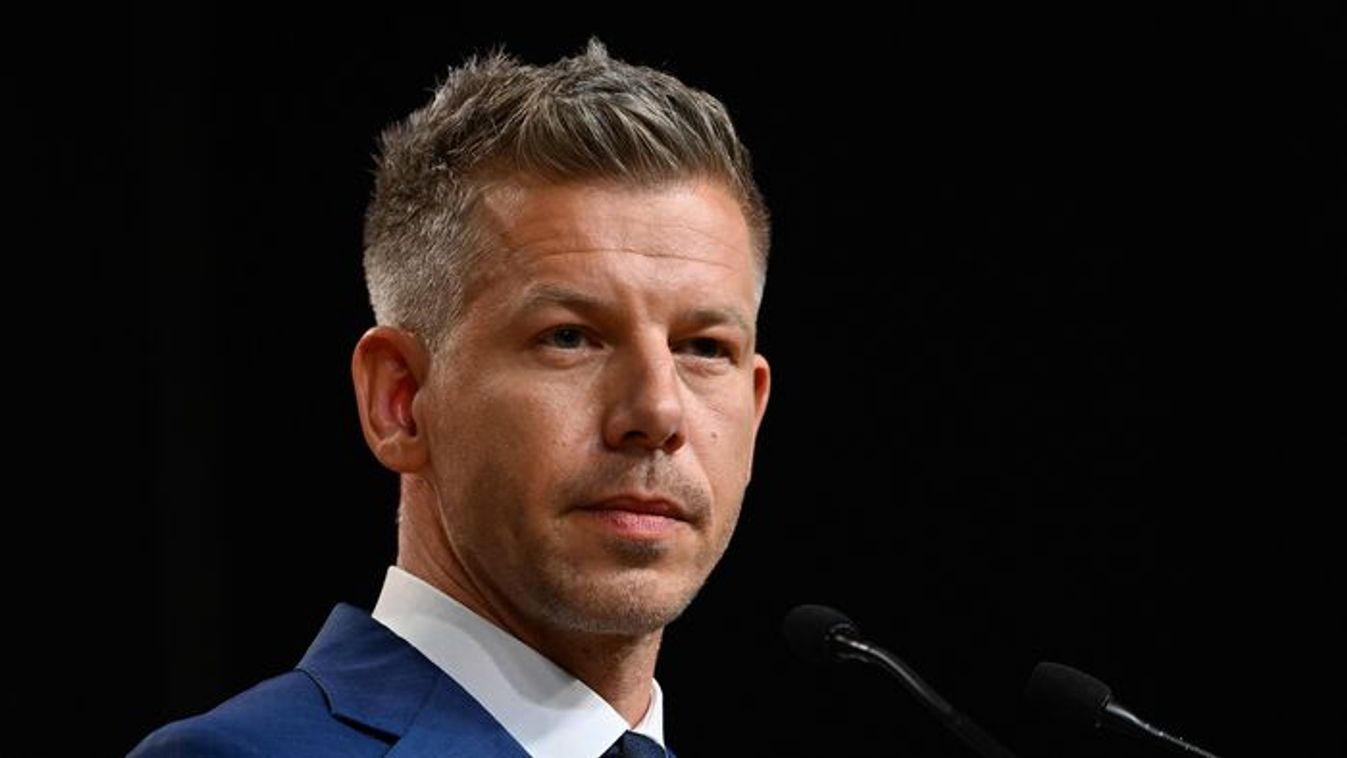
Cover photo: Peter Magyar, president of the Tisza Party (Photo: MTI/Robert Hegedus)



A Magyar Nemzet konzervatív, nemzeti-kulturális hetilap, amely nemcsak híreket közöl, hanem értelmezi is a világot. Hiteles szerzőkkel, mélyebb összefüggésekkel és időtálló gondolatokkal segít eligazodni a közélet, a kultúra, a történelem és a mindennapi élet kérdéseiben.

Információs rendszer vagy adat megsértése vagy annak kísérlete alapozhatja meg Magyar Péter esetében a büntetőjogi felelősséget.
A Magyar Nemzet konzervatív, nemzeti-kulturális hetilap, amely nemcsak híreket közöl, hanem értelmezi is a világot. Hiteles szerzőkkel, mélyebb összefüggésekkel és időtálló gondolatokkal segít eligazodni a közélet, a kultúra, a történelem és a mindennapi élet kérdéseiben.

Portfóliónk minőségi tartalmat jelent minden olvasó számára. Egyedülálló elérést, országos lefedettséget és változatos megjelenési lehetőséget biztosít. Folyamatosan keressük az új irányokat és fejlődési lehetőségeket. Ez jövőnk záloga.