There Is a Way for Return After an Election Defeat

Nearly two and a half million people voted for the Fidesz–KDNP party list in the 2026 election, and many are confident that the right wing will make a comeback. In this article, we draw on historical examples to highlight instances where a prominent leader rose after a setback, and we also examine how Viktor Orban has consistently managed to reinvent himself.

2026. 04. 22. 16:27
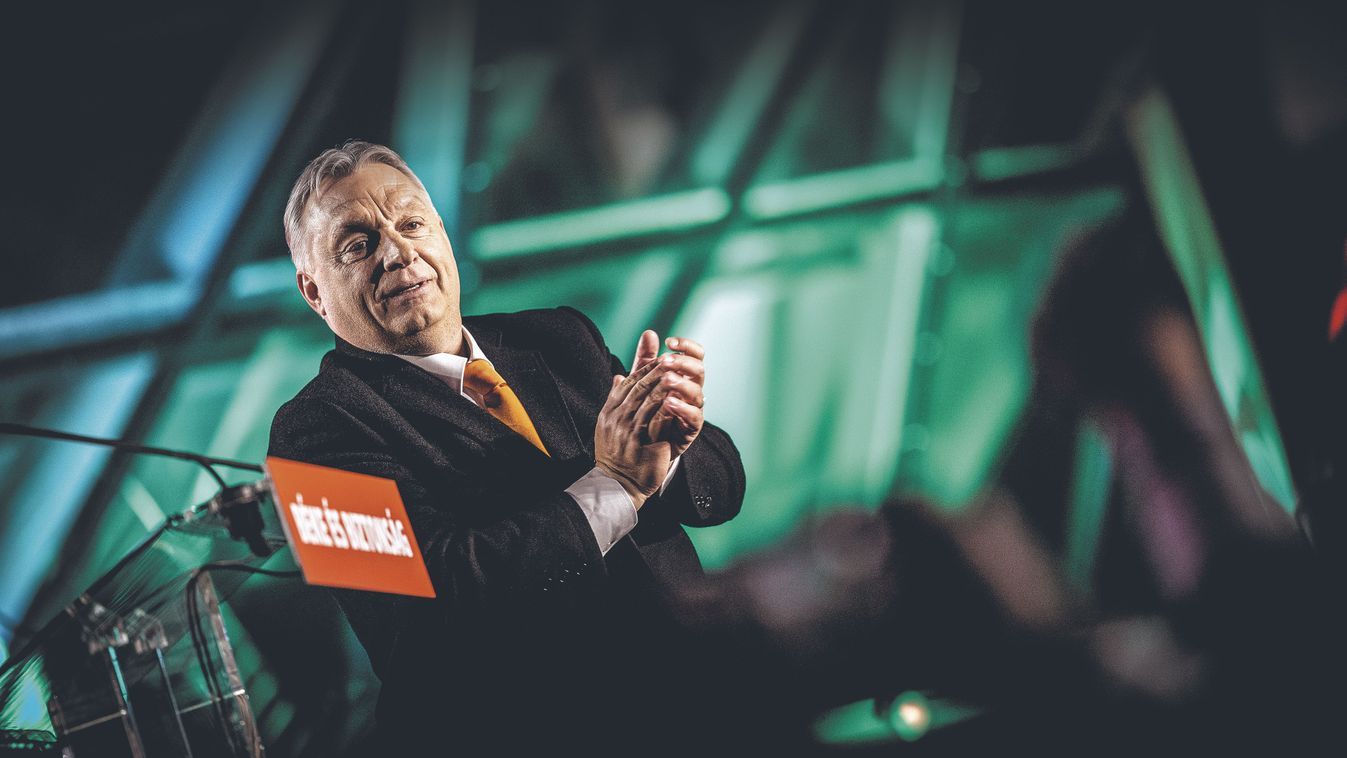
Orbán Viktor miniszterelnök a Bálna rendezvényközpontban tartott eredményvárón (Fotó: Kurucz Árpád)
VéleményhírlevélJobban mondva - heti véleményhírlevél - ahol a hét kiemelt témáihoz fűzött személyes gondolatok összeérnek, részletek itt.

“Victory is never final, defeat is never fatal,” says the quote that went viral on social media after the election. According to data from the National Election Office, 2.458 million people voted for the Fidesz-KDNP list, and many of them would like to believe these words carry prophetic power.

Orbán Viktor, Fidesz, megújulás, siker, visszatérés,

A Miniszterelnöki Kommunikációs Főosztály által közreadott képen Orbán Viktor miniszterelnök, a Fidesz elnöke (k) beszédet mond a Fidesz-KDNP eredményváró rendezvényén az országgyűlési választást követően a Bálna Honvédelmi Központban 2026. április 12-én (Fotó: MTI/Miniszterelnöki Kommunikációs Főosztály/Kaiser Ákos)
Viktor Orban and the Fidesz leadership at this year’s election night event (Photo: MTI/Prime Minister’s General Department of Communication/Akos Kaiser)

What can supporters hold on to after the shocking results, and when could Viktor Orban return? Before reviewing historical examples of major political comebacks in the 20th century, it is worth asking: who actually said this famous line?


Did the quote really come from a great comeback figure?

Many attribute the statement to Winston Churchill, but in reality it has nothing to do with the former British prime minister. Richard Langworth, one of the best-known researchers of Churchill, compiled a number of quotations and specifically highlighted those wrongly linked to the politician — including this one. Why the quote is still so often attributed to Churchill remains unclear.

That said, the life of the former British prime minister could easily justify such an assumption.

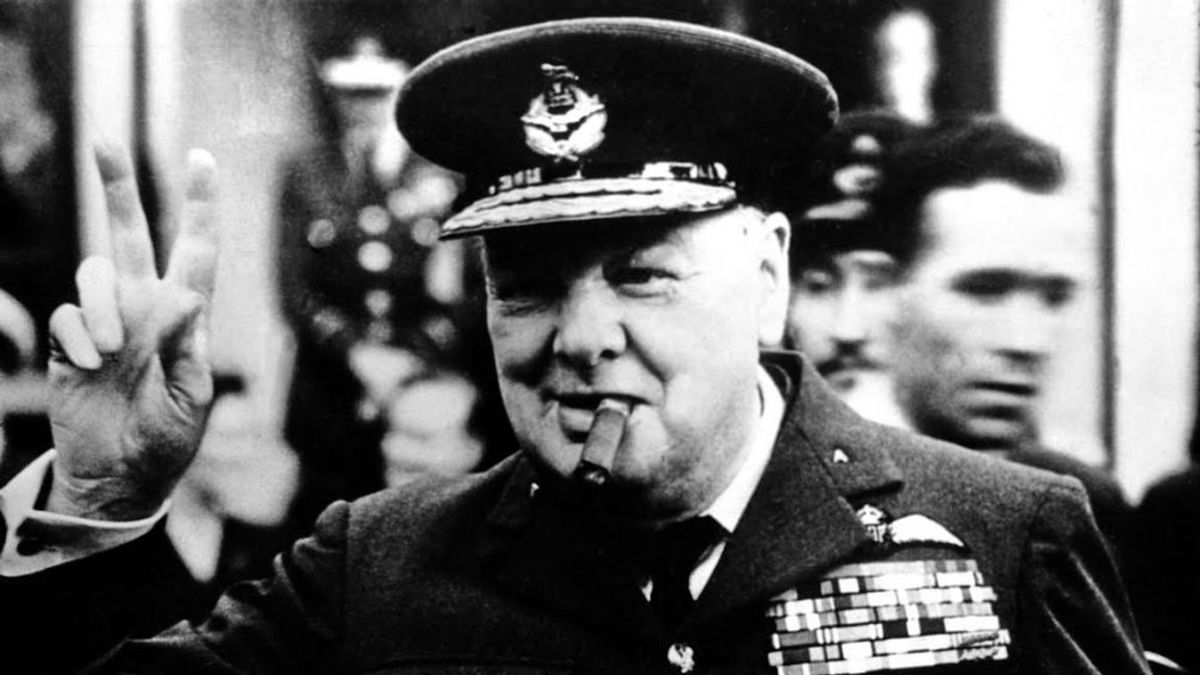
Churchill’s political career was marked by dramatic failures and comebacks. During World War I, as First Lord of the Admiralty, he played a key role in launching the Gallipoli campaign. The plan was to break through the Dardanelles and open a new front against the Ottoman Empire, but the enemy was underestimated and the operation poorly prepared.

Photo: Getty/Europress/Universalimagesgroup

It became one of the most humiliating failures in British military history. As one of the main backers of the operation, Winston Churchill suffered a major setback and was forced to resign as First Lord of the Admiralty.

A year later, in 1916, he returned to politics.

By 1917 he had once again secured a government position, becoming Minister of Munitions, where he proved himself by organizing weapons production. This marked the beginning of his political rehabilitation. Between the two world wars, his career followed an uneven path. The real turning point came in 1940, when he was elected Prime Minister of Great Britain.

 Churchill’s victory in the was not enough for the British (Photo: MTI)

Churchill led the British to victory in World War II, but even that proved insufficient:

in 1945, he suffered a heavy defeat to the Labour Party.

Clement Attlee promised a package of social reforms, which succeeded in winning over the war-weary population. Winston Churchill, however, did not disappear from public life. Remaining in opposition, he consistently criticized the government and emphasized the growing threat of the Cold War. Deteriorating economic conditions and rising international tensions eventually opened the way for his return:

in 1951, he once again became prime minister.


When a strong leader was needed

Another famous comeback figure of the 20th century was France’s strongman, Charles de Gaulle, who began his military career in World War I. In 1940, when France was occupied by Nazi Germany, de Gaulle fled to London and established the French resistance. He became a symbol of French national identity and, during the war, fought against the German occupation with the support of the United Kingdom and the United States.
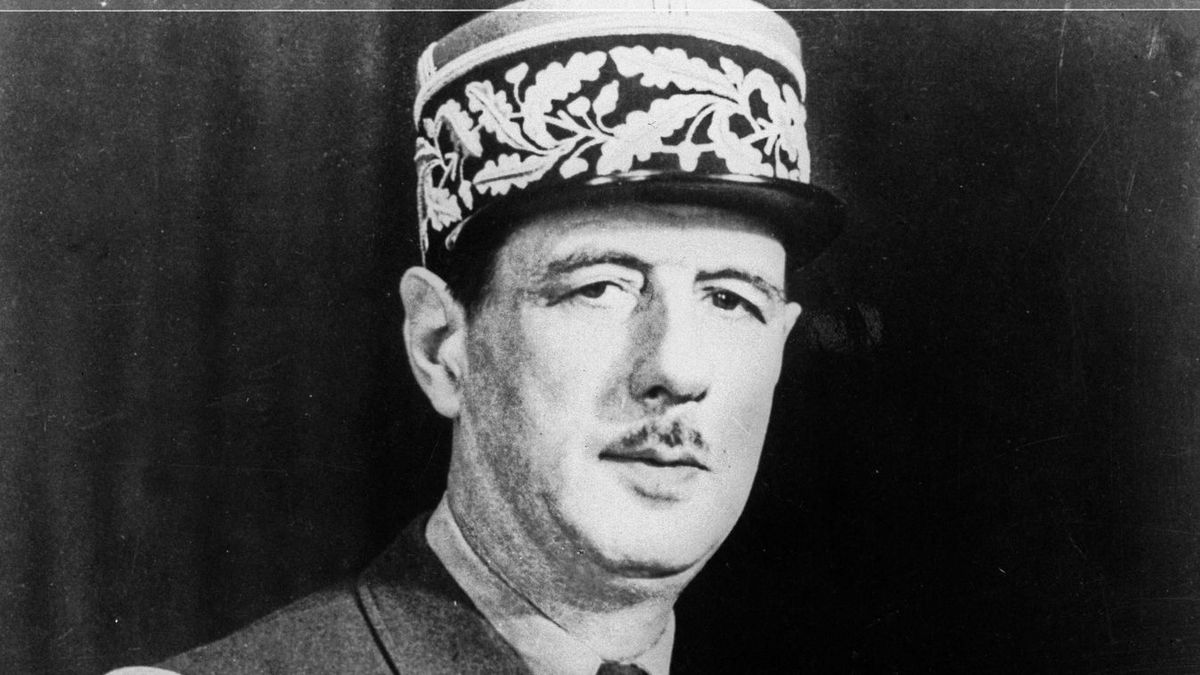
Photo: AFP/Roger-Viollet

In 1944, he became head of the French provisional government. He ultimately resigned from office on January 20, 1946, largely because he opposed the planned constitution of the Fourth Republic.

The former general went on to write his war memoirs, while unstable governments of the Fourth Republic followed one another in rapid succession.

The Algerian crisis of 1958 and the paralysis of the state created a situation that once again called for a strong leader.

De Gaulle set clear conditions for his return: he demanded extraordinary, broad powers for six months to handle the crisis, along with the drafting of a new constitution to be put to a referendum. On June 1, 1958, the National Assembly accepted these conditions and elected him prime minister. In the referendum held on September 28, 79.2 percent of voters approved the new constitution, thus establishing the Fifth Republic.


No one left to kick around

The political career of American president Richard Nixon, who ultimately fell due to the Watergate scandal, also seemed to collapse more than once. In 1960, he narrowly lost the presidential election to John F. Kennedy, and two years later he was also defeated in the race for governor of California.
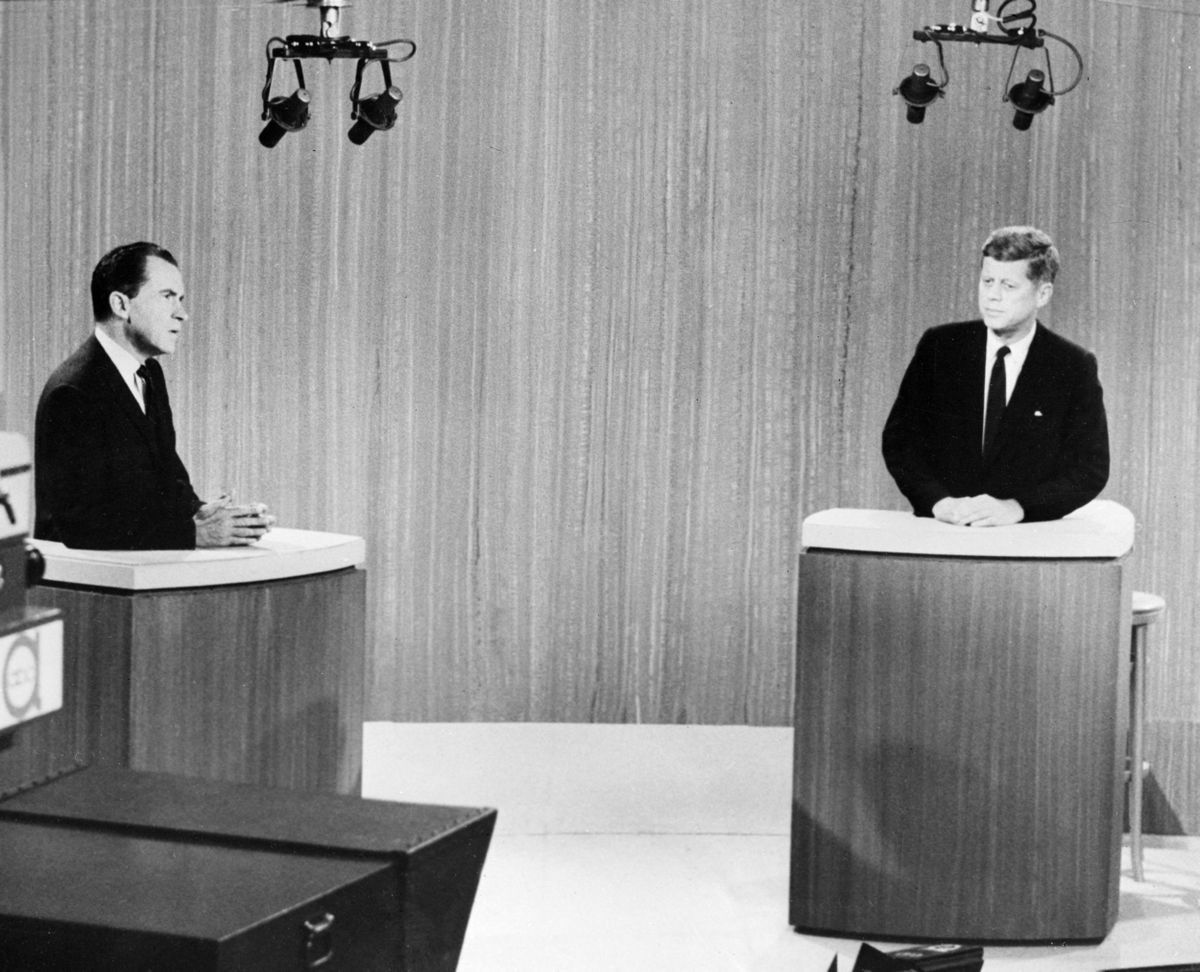
Richard Nixon és John Kennedy összecsapását közvetítette először az amerikai tévé. Fotó: AFP
Photo: AFP

At that point, many predicted the end of his political career. He himself famously said that there would be

no more Nixon to kick around.

Despite this, he did not give up. He gradually rebuilt his network and political base, while rising social tensions, the Vietnam War, and a growing demand for law and order worked in his favor.

In 1968, he ultimately won the presidential election.

Moreover, he secured reelection in 1972, before being forced to resign in 1974 due to the Watergate scandal, becoming the only president in US history to step down from office.

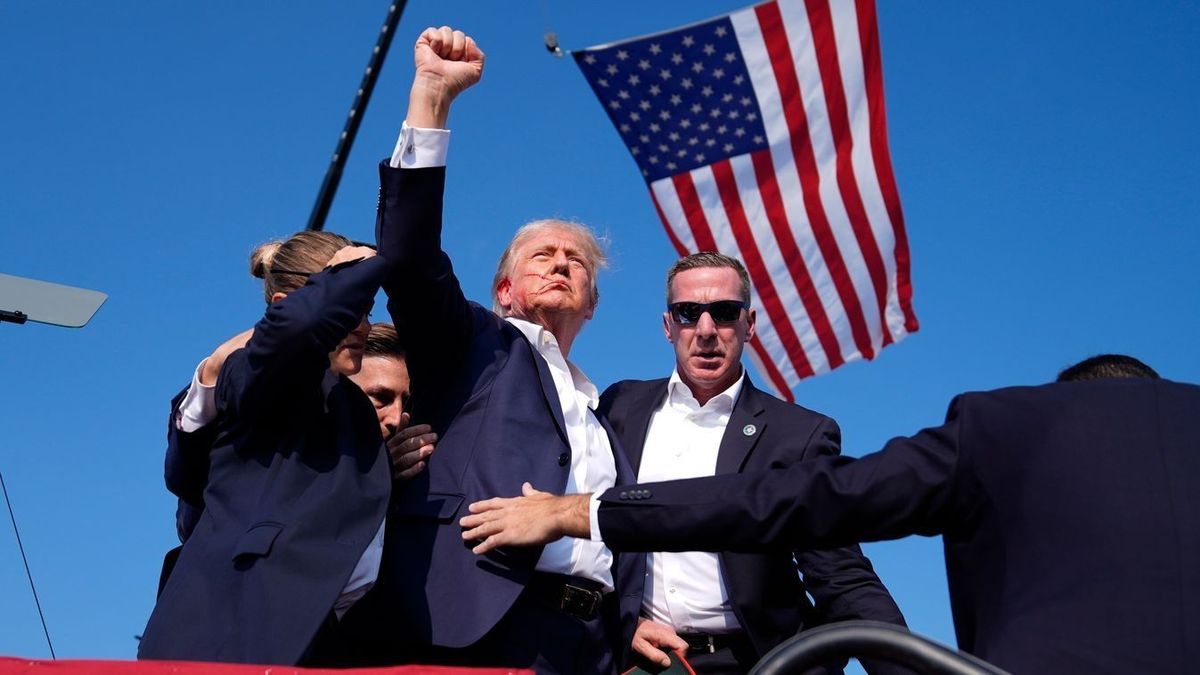
Another spectacular comeback in American politics was made by Donald Trump, who, after his first presidential term, was defeated by Joe Biden in 2020. Following the election defeat, Trump supporters stormed the Capitol. The events resulted in fatalities, and many blamed Trump for what had happened.

At the time, Trump faced not only political pressure but also

multiple legal proceedings.

Even so, he maintained his influence within the Republican Party, and his support base remained loyal.

Trump managed to make a comeback (Photo: AFP)

Changes in the political environment and growing public dissatisfaction eventually paved the way for his return: in 2024, he won the election by a large margin.


A decade at the helm, then into opposition

Israeli Prime Minister Benjamin Netanyahu has also experienced both major successes and setbacks. He first came to power in 1996, serving until 1999. After his defeat, he temporarily stepped back from frontline politics.

Netanyahu returned as prime minister in 2009 and went on to govern continuously for more than a decade, until 2021, becoming Israel’s longest-serving leader.

His opponents eventually united against him, as a broad coalition of right-wing, centrist, and left-wing parties came together to remove him from power. Many predicted the end of his career in 2021. They were wrong. Netanyahu did not disappear and won the election again in 2022.


How Viktor Orban rebuilt

As Viktor Orban himself has pointed out on several occasions, he too has experienced both major victories and periods in opposition. During the 1994 elections, his party was in steep decline, winning only twenty seats. However, during the 1994–1998 Socialist-Free Democrats (MSZP-SZDSZ) government, Fidesz strengthened to such an extent that

under Viktor Orban’s leadership, it gradually took over the role of the Hungarian Democratic Forum (MDF) on the civic, conservative side.

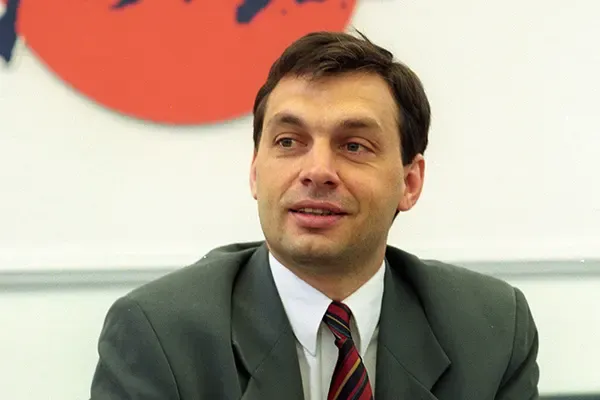
By the 1998 elections, Viktor Orban, leading the party then known as Fidesz Hungarian Civic Party, entered the race as the leader of the opposition and the most likely challenger to Gyula Horn.

Photo: Miniszterelnok.hu

After the election victory, Viktor Orban was able to form his first government in coalition with MDF and the Independent Smallholders (FKGP).  The next four years saw successful social and economic policies, so Fidesz could look forward with optimism to the 2002 elections, which were preceded by a positive campaign focused primarily on communicating achievements. Opinion polls showed a solid right-wing lead, and Viktor Orban performed strongly in the debate against his socialist challenger, Peter Medgyessy.

The result, however, came as a cold shower for Fidesz.

Peter Medgyessy recently said that in 2002 Viktor Orban set an example of how to recover from defeat.

Look, I made some mistakes, that is why we lost the election, but I will come back and win the next one,

the leader of Fidesz told him at the time. 

Viktor Orban subordinated everything to his comeback and began a systematic rebuilding effort. He withdrew so much from the political spotlight that for three years he did not even speak in parliament. What followed is well known: even if he did not win the very next election, he eventually returned, and from 2010 to 2026 he led the Hungary without interruption, with Fidesz securing a two-thirds majority four times.

Although he lost in this year’s election, he has already spoken about beginning the restructuring of Fidesz and the broader right-wing community. After sixteen years in government, he will now continue in opposition, but as history shows, it is far from unprecedented for a political leader to return to power after defeat.

Cover photo: Prime Minister Viktor Orban (Photo: Arpad Kurucz)

Komment

Összesen 0 komment

A kommentek nem szerkesztett tartalmak, tartalmuk a szerzőjük álláspontját tükrözi. Mielőtt hozzászólna, kérjük, olvassa el a kommentszabályzatot.


Jelenleg nincsenek kommentek.

Szóljon hozzá!

Jelenleg csak a hozzászólások egy kis részét látja. Hozzászóláshoz és a további kommentek megtekintéséhez lépjen be, vagy regisztráljon!

A téma legfrissebb hírei

Tovább az összes cikkhez chevron-right

Ne maradjon le a Magyar Nemzet legjobb írásairól, olvassa őket minden nap!

Google News
A legfrissebb hírekért kövess minket az Magyar Nemzet Google News oldalán is!

Címoldalról ajánljuk

Tovább az összes cikkhez chevron-right

Portfóliónk minőségi tartalmat jelent minden olvasó számára. Egyedülálló elérést, országos lefedettséget és változatos megjelenési lehetőséget biztosít. Folyamatosan keressük az új irányokat és fejlődési lehetőségeket. Ez jövőnk záloga.