Peter Szijjarto: Until a Patriotic Turn in Europe, We Must Fight for Cheap Russian Energy

The government acted in time, but until there is a patriotic turn in Europe, Hungary must continue to fight for cheap Russian energy, which is something the Tisza Party would neither be able nor willing to do, Hungarian Minister of Foreign Affairs and Trade Peter Szijjarto in Budapest on Wednesday. Under the current crisis conditions, risks should not be taken, he warned.

2026. 03. 19. 15:35
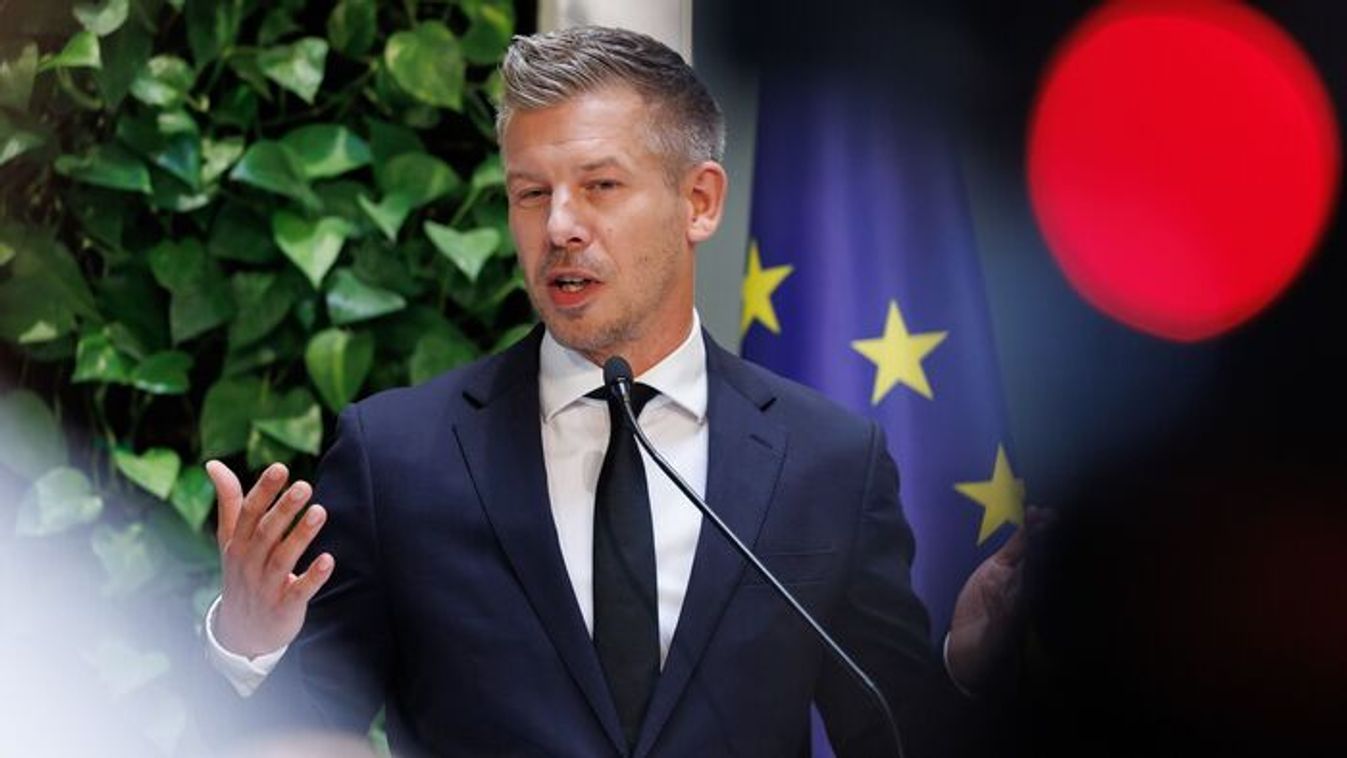
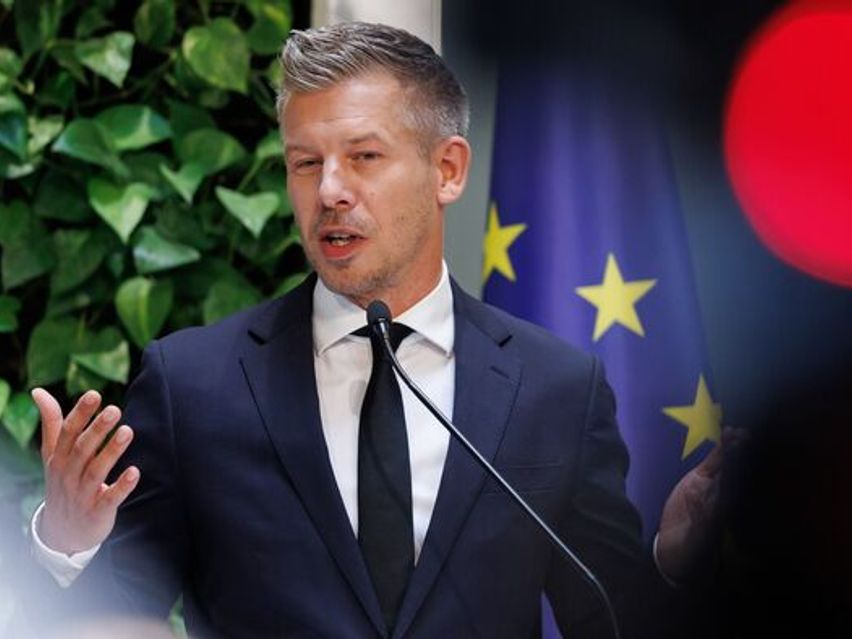
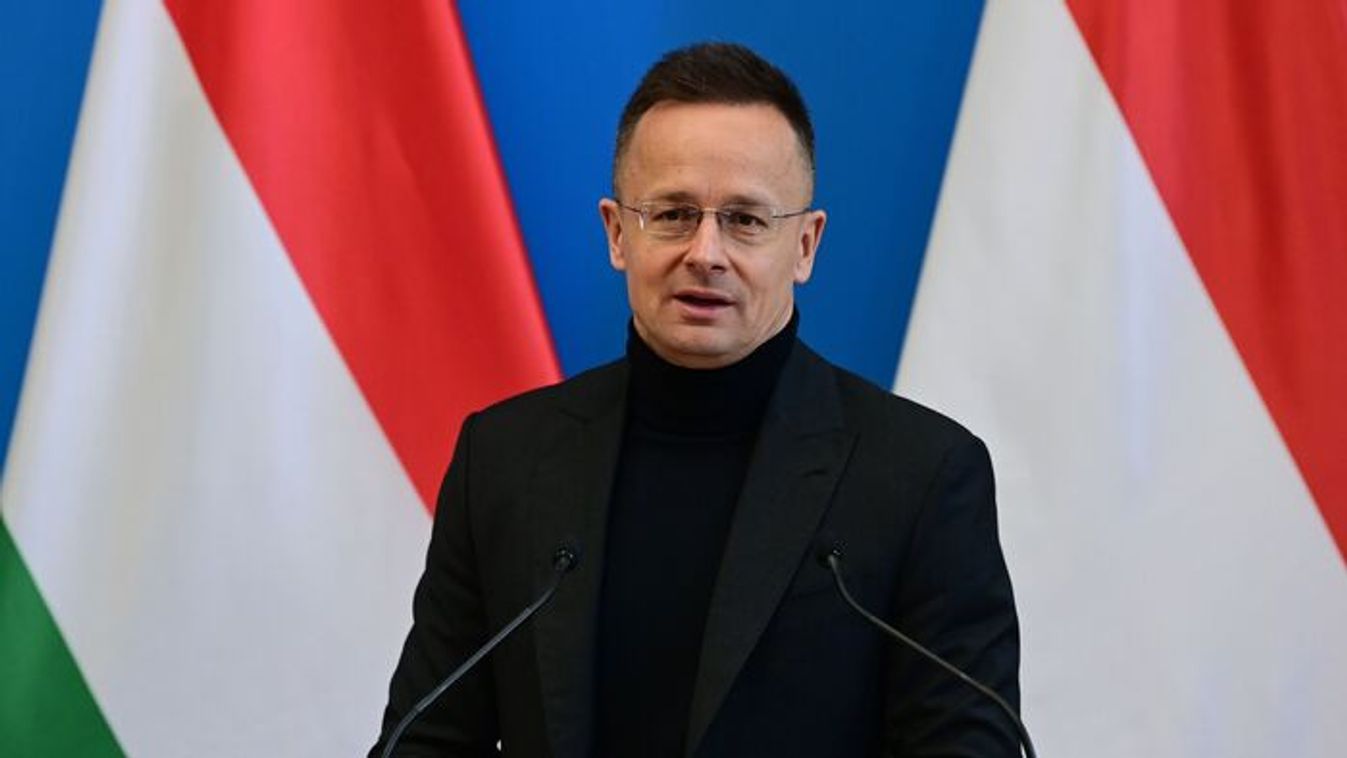
Peter Szijjarto, Hungary's Minister of Foreign Affairs and Trade (Photo: MTI/Attila Kovacs)
VéleményhírlevélJobban mondva - heti véleményhírlevél - ahol a hét kiemelt témáihoz fűzött személyes gondolatok összeérnek, részletek itt.

Speaking to activists in Budapest’s 16th district, Peter Szijjarto also touched on energy supply difficulties, emphasizing that when the Brussels–Berlin–Kyiv axis, in coordination with the Tisza Party, decided to halt crude oil deliveries through the Druzhba pipeline, Hungary’s storage facilities were fully stocked, with 96 days of reserves in the system, and sea shipments had also been ordered.

Szijjártó Péter szerint a jelenlegi válságos körülmények között nem szabadna kockáztatni (Illusztráció, forrás: dpa Picture-Alliance via AFP)
Under the current crisis conditions, risks should not be taken, Peter Szijjarto he warned (Illustration, source: dpa Picture-Alliance via AFP) 

And now we have 84 days of reserves still available, and of course maritime deliveries are continuously arriving. So we are in a good position because we prepared in time. The problem is that the war with Iran is currently blocking twenty percent of the world’s crude oil supply,

he said.

And on top of that comes the fact that Europe, with this fantastically, breathtakingly forward-looking and completely ideology-free, practical thinking, has banned Russian oil from Europe. This means that in Eurasia there are two major oil sources, the Arab and the Russian, and right now neither of them is reaching Europe, because we excluded the Russian one and the Arab one cannot arrive due to the war with Iran,

he continued.

Now if something is scarce, it becomes more expensive. If Europe has the least of it, then it will be the most expensive here. This is not rocket science. That means that even now European economic actors are buying natural gas at three to four times the price paid by Americans, and electricity at three to four times the price paid by the Chinese. If this increases further, then it is not hard to calculate what kind of downward spiral the European economy will enter,

he added.

Peter Szijjarto pointed out that this is why Hungary has proposed lifting sanctions on Russian crude oil imports within the European Union, but the issue clearly continues to be handled on ideological grounds, so the situation remains serious. In his words, this also determines the most important task of any Hungarian government in the current situation: to stay out of all wars and to protect people and the economy from the negative effects of these armed conflicts, especially in terms of energy supply.

This can be done by fighting to ensure that we can continue to purchase cheap energy in the future. We have taken the European Commission to court at the European Court of Justice over the ban on purchasing Russian energy carriers, and we introduced a protected price for gasoline and diesel,

he pointed out.

And now what we are going to do is build a diesel pipeline with the Slovaks, and we will build an oil pipeline and a diesel pipeline with the Serbs. From now on, the Hungarian, Serbian, and Slovak markets, all landlocked, will be able to operate in such a coordinated way that we can reduce the impact of these kinds of blackmail potentials,

he noted.

Thank God we acted in time, but in the long term we must reckon with the fact that until there is a patriotic turn in Europe, we will have to fight for cheap Russian energy,

he said.

The minister finally stressed that all of this shows that under the current crisis conditions, risks should not be taken, because "variety may be a nice thing in theory, but right now it is definitely worth sticking to what is safe and already proven."

He highlighted that over the past sixteen years, Hungary has faced a series of severe crises, including the financial collapse, mass migration waves, the coronavirus pandemic, and the war in Ukraine, yet the Hungarian economy has managed to achieve remarkable results.

As examples, he cited one million new jobs, family support measures, and Europe’s lowest utility costs and taxes.

Now is not the time to take risks. All of this could go down the drain if, in the middle of such international conditions, we entrust the country to a zero-mile comedian who has no idea about anything, who certainly would not be able to reach agreements with either the American or the Russian president to ensure that Hungary has access to safe, stable, predictable, and cheap energy supply,

he concluded.

Cover photo: Peter Szijjarto, Hungary's Minister of Foreign Affairs and Trade (Photo: MTI/Attila Kovacs)

Komment

Összesen 0 komment

A kommentek nem szerkesztett tartalmak, tartalmuk a szerzőjük álláspontját tükrözi. Mielőtt hozzászólna, kérjük, olvassa el a kommentszabályzatot.


Jelenleg nincsenek kommentek.

Szóljon hozzá!

Jelenleg csak a hozzászólások egy kis részét látja. Hozzászóláshoz és a további kommentek megtekintéséhez lépjen be, vagy regisztráljon!

A téma legfrissebb hírei

Tovább az összes cikkhez chevron-right

Ne maradjon le a Magyar Nemzet legjobb írásairól, olvassa őket minden nap!

Google News
A legfrissebb hírekért kövess minket az Magyar Nemzet Google News oldalán is!

Címoldalról ajánljuk

Tovább az összes cikkhez chevron-right

Portfóliónk minőségi tartalmat jelent minden olvasó számára. Egyedülálló elérést, országos lefedettséget és változatos megjelenési lehetőséget biztosít. Folyamatosan keressük az új irányokat és fejlődési lehetőségeket. Ez jövőnk záloga.