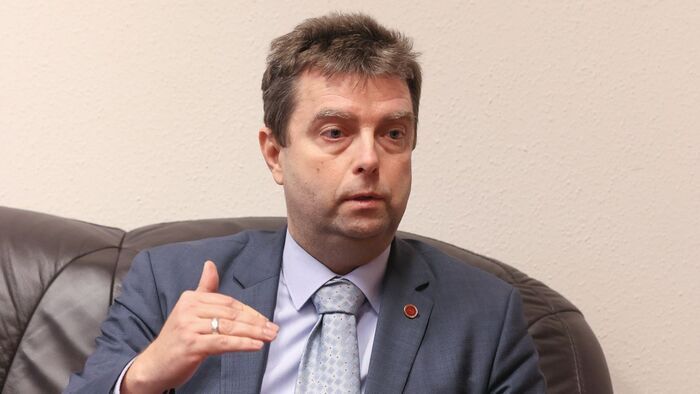
Balazs Orban posed the question: what kind of governance can we expect from them?
In his view, exactly this kind. He explained that there will be issues in which EU leadership will expect alignment from them, and on those issues they will comply. He believes they will clearly be unable to fulfill their economic promises. He then recalled the years of the regime change, noting that if Tisza wants to change the economic system, it must secure the necessary resources.
This can be done either through borrowing or by making people pay more. In the end, voters will inevitably bear the cost,
– he emphasized. He argued that access to Brussels funds will likely become easier, requiring only a “very small” surrender of sovereignty—something they will be able to carry out. The problem, he said, is that EU funds will shrink regardless, as major European plans consume vast resources. Energy prices will remain high, and the domestic introduction of the euro would also weigh against growth, he explained. Balazs Orban highlighted:
Another characteristic of such rainbow coalitions is that they leave the public sphere to the progressive left. As a result, left-wing, progressive-liberal elements are strengthened in the media, often with foreign support and by adopting foreign interpretive frameworks. Likewise, in the broader sense, culture and education do not remain centrist domains in the long run.