Tisza Government May Not Withstand External Pressure

Although several members of the new government became known during the campaign and their legitimacy cannot be questioned in that sense, serious concerns remain about the extent to which they will be able to represent Hungarian interests in the face of external pressure, Janos Zila, an analyst at the Center for Fundamental Rights, told our newspaper.

2026. 04. 21. 10:45
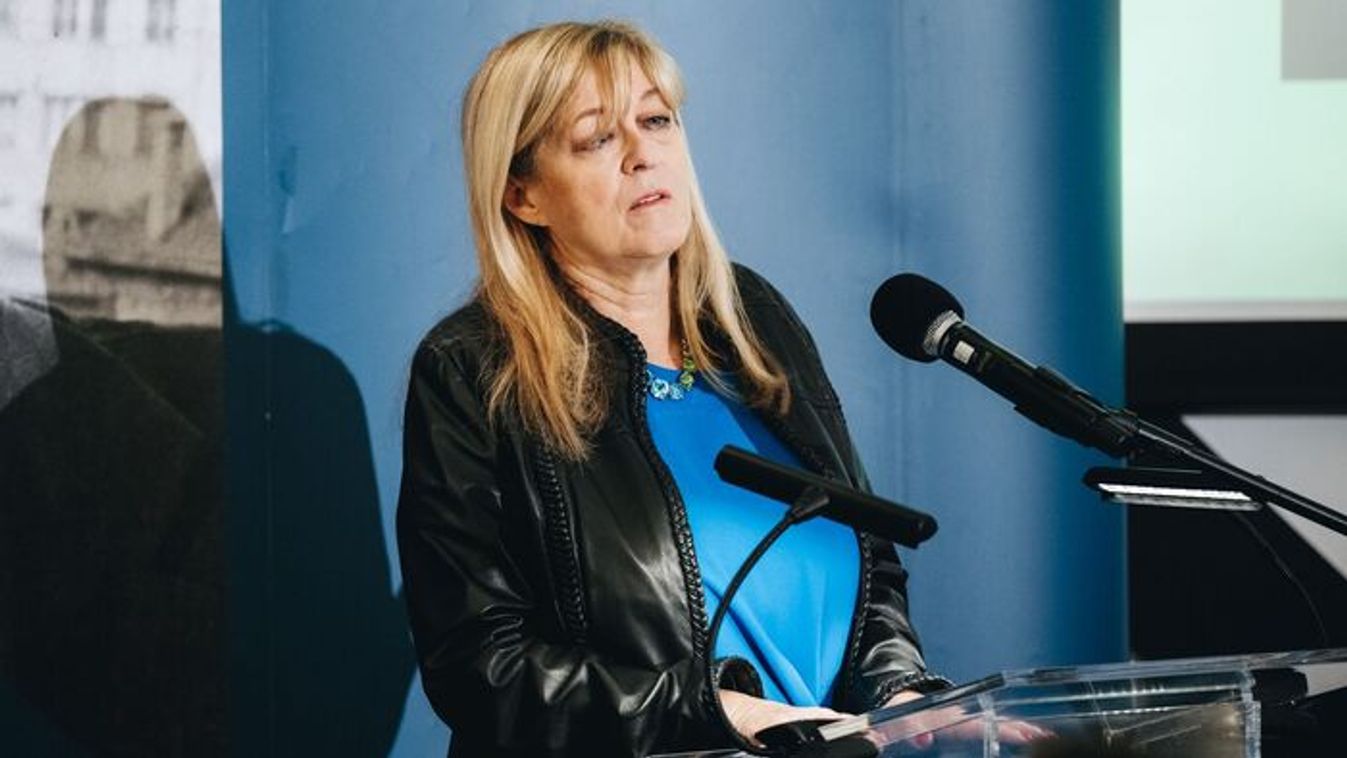
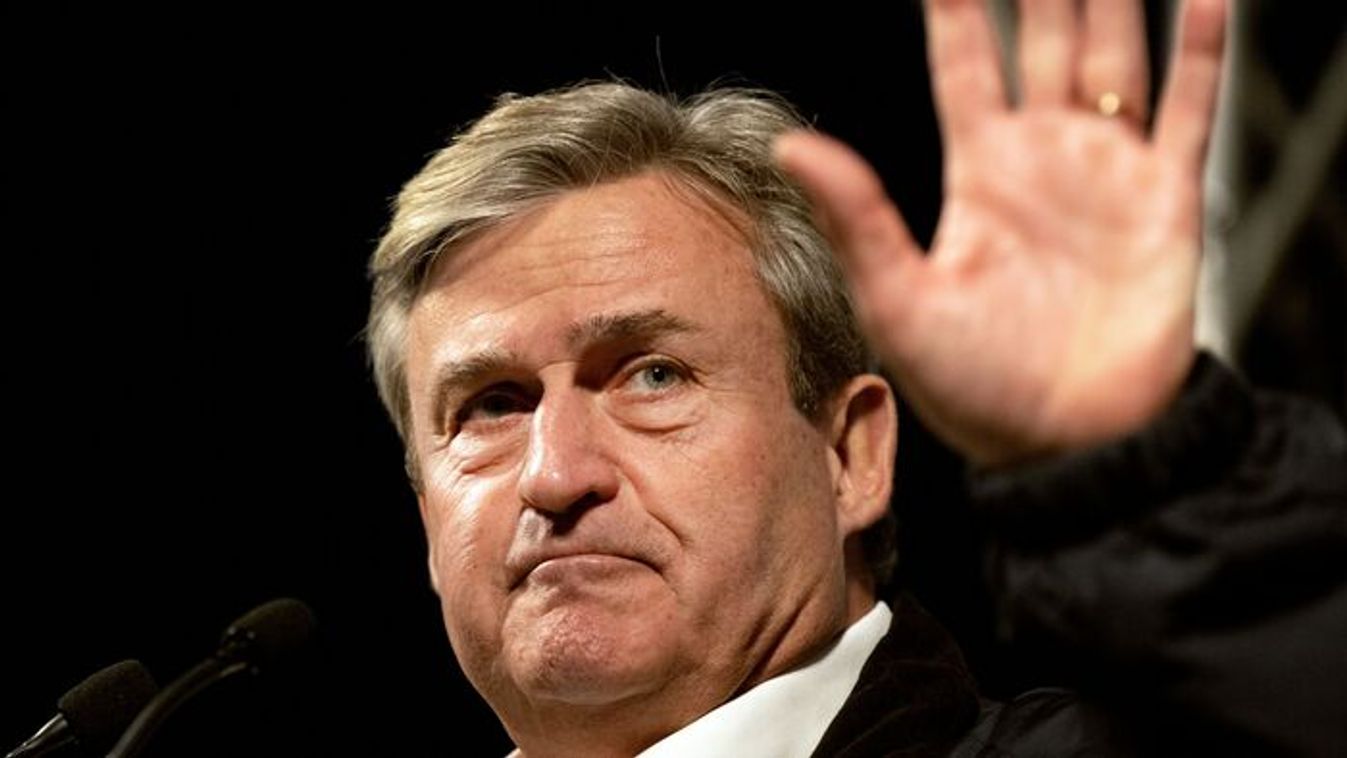
Istvan Kapitany, the Tisza Party’s head of economic development and energy, at a forum in Kistarcsa held as part of the party’s nationwide tour. (Photo: Istvan Mirko, MW)
VéleményhírlevélJobban mondva - heti véleményhírlevél - ahol a hét kiemelt témáihoz fűzött személyes gondolatok összeérnek, részletek itt.

Janos Zila spoke to our newspaper about the transformation of the government structure and the individuals appointed as new ministers. The analyst emphasized that “among the new ministers there are several whom the public came to know well during the campaign; in that respect, their legitimacy is not in question,” while also pointing out that “based on the facts and information seen so far, many may reasonably harbor doubts about how they will represent the interests of the Hungarian people.” As he said, it will be particularly important to observe whether the ministers will be capable of standing up even to the will of external actors such as Brussels, Kyiv, or multinational corporations.

Budapest, 2026. április 20.
Magyar Péter, a Tisza Párt elnöke, leendő miniszterelnök (b2) a párt frakciójának első üléséről tartott sajtótájékoztatón a Hungexpo Kongresszusi Központban 2026. április 20-án. Mellette Forsthoffer Ágnes, az Országgyűlés leendő elnöke (b), Bujdosó Andrea, a Tisza Párt leendő frakcióvezetője (b3) és Tóth Péter, a Tisza Párt kampányfőnöke (j).
MTI/Hegedüs Róbert
Photo: MTI / Robert Hegedus 

Regarding the incoming finance minister, Andras Karman, Mr. Zila highlighted that he is “widely known to have come from the international banking world and has previously spoken out against taxes imposed on major financial institutions and other multinationals.” According to the analyst, this suggests that the interests of banks could once again come to the forefront of governance, which is concerning given that the state will clearly continue to rely on revenues from special taxes. He added that 

this does not bode well for the Hungarian people at a time when all signs indicate that Europe as a whole is facing a significant crisis.

Speaking about Istvan Kapitany, nominated to head the economic and energy ministry, the analyst recalled that he is widely known as the former global vice president of Shell, and thus, in his previous work, viewed the energy sector not from the perspective of consumers but from that of a profit-driven international giant. He also recalled that the expert had previously spoken out publicly against regulated prices, price caps, and special taxes affecting large international corporations. According to Mr. Zila, “alongside Karman, his appointment also suggests that voices similar to those during ex-PM Gordon Bajnai’s government could once again gain influence in economic governance.”

Regarding the leadership of the foreign ministry, he stated that under a Tisza Party government, Hungary would tighten its relationship with Brussels and would not meaningfully diverge from the ideas of the elite there. In connection with Anita Orban, he also recalled an episode from the campaign, noting that “journalist Szabolcs Panyi referred to her as a friend and boasted that he would have access to documents from the ministry she would lead.” According to the analyst, 

it will be worth watching, under Ms. Orban’s leadership, to what extent the foreign ministry will be able to represent Hungary’s national interests.

Speaking about the role of Romulusz Ruszin-Szendi, he said that “not only did he play a central role in public debates in recent months, but he himself boasted that he would revive his former connections with his Ukrainian counterparts.” He added that “from the standpoint of Hungary’s future, it is a key question in what form and to what extent this will be realized.”

Finally, he also addressed the issue of restructuring the restructuring the government. As he explained, the system of specialized ministries entails a greater number of portfolios and makes the structure more complex, while it remains uncertain whether this will also result in an expansion of state bureaucracy in the period ahead.

Cover photo: Istvan Kapitany was a leader at a global energy company (Photo: Istvan Mirko)

Komment

Összesen 0 komment

A kommentek nem szerkesztett tartalmak, tartalmuk a szerzőjük álláspontját tükrözi. Mielőtt hozzászólna, kérjük, olvassa el a kommentszabályzatot.


Jelenleg nincsenek kommentek.

Szóljon hozzá!

Jelenleg csak a hozzászólások egy kis részét látja. Hozzászóláshoz és a további kommentek megtekintéséhez lépjen be, vagy regisztráljon!

A téma legfrissebb hírei

Tovább az összes cikkhez chevron-right

Ne maradjon le a Magyar Nemzet legjobb írásairól, olvassa őket minden nap!

Google News
A legfrissebb hírekért kövess minket az Magyar Nemzet Google News oldalán is!

Címoldalról ajánljuk

Tovább az összes cikkhez chevron-right

Portfóliónk minőségi tartalmat jelent minden olvasó számára. Egyedülálló elérést, országos lefedettséget és változatos megjelenési lehetőséget biztosít. Folyamatosan keressük az új irányokat és fejlődési lehetőségeket. Ez jövőnk záloga.