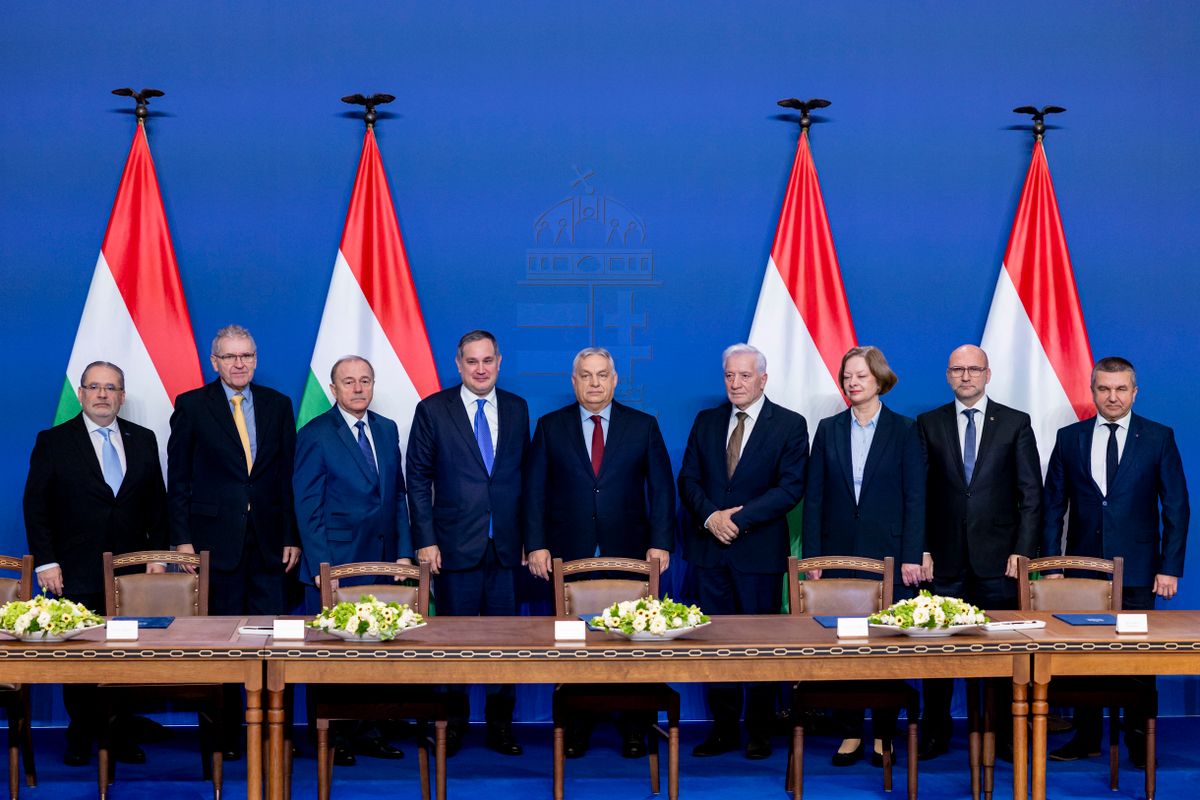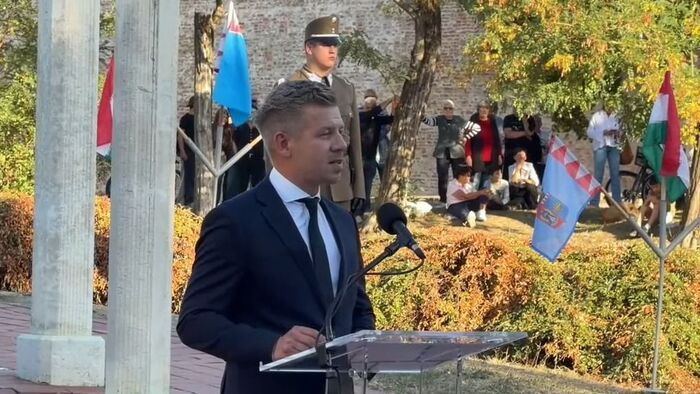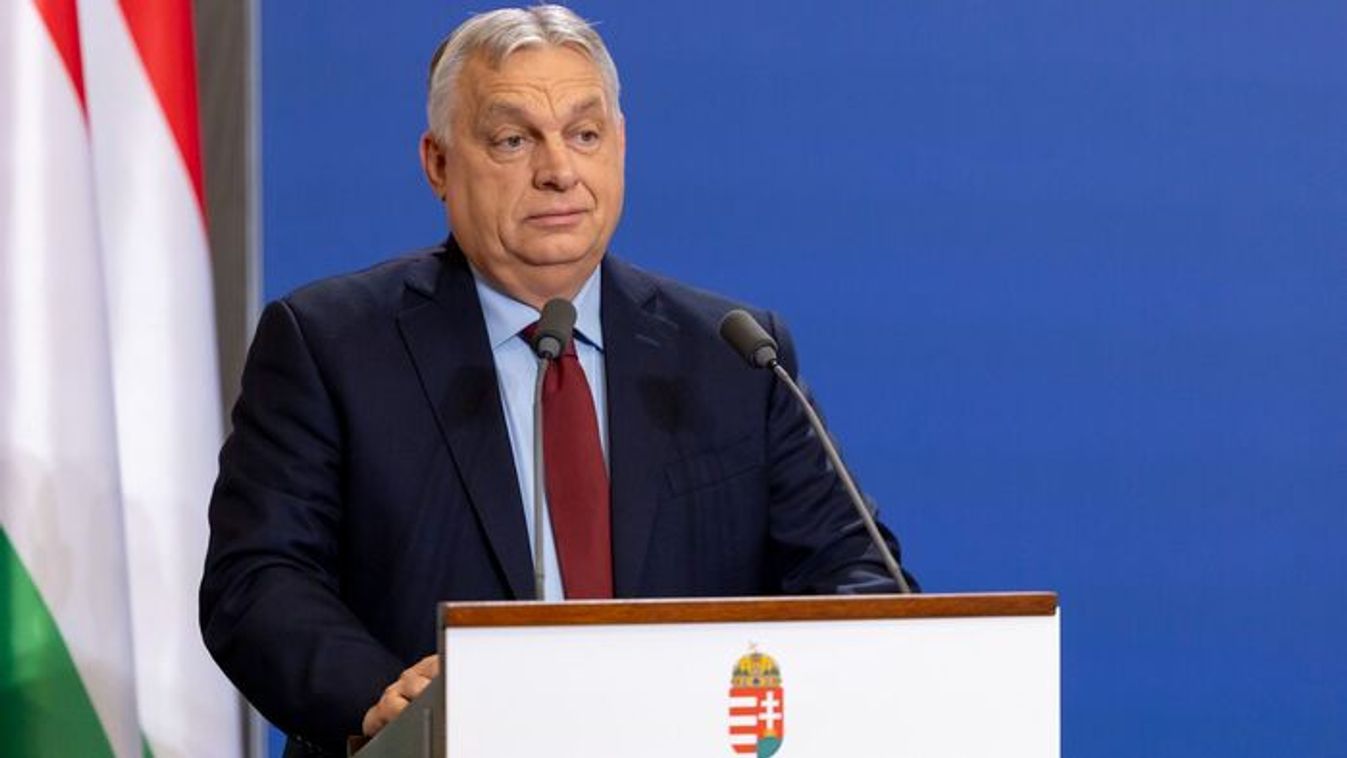
At the press conference following the signing of the 2026 wage agreement, PM Orban noted that the day’s event was made possible because an agreement had been reached. He expressed gratitude to representatives of employers' and employees' organizations for bringing the deal together. He added that the increases of 11% and 7% for minimum wage and guaranteed wage minimum respectively align with the government’s broader economic plans, which is why the cabinet supports the agreement.

“Our grand plan is to make Hungary a work-based society,” the prime minister said.
He emphasized that without a work-based society, there can be no economic performance, and therefore Hungary cannot follow the model of welfare-based systems. “When there is full employment, there is economic growth,” he said, arguing that this approach enables Hungary to surpass countries that started from stronger positions.
According to Viktor Orban, Hungary must strengthen a cultural outlook that values productive work, alongside an economic policy that makes job creation the top priority.
Since 2010, he noted, one million more Hungarians are employed, and the country now enjoys full employment.
Still, he acknowledged that jobs alone are not enough if people feel their work is undervalued. Employers are under constant pressure to raise wages, but wage levels cannot be set politically; the labor market determines the value of work. While the government technically could set the minimum wage unilaterally, PM Orban stressed that it is not the government’s role to do so. The healthy practice, he said, is for employers and employees to reach agreement themselves—and he welcomed that this is what happened now.
He also noted that the ongoing war hanging over Europe hampers economic performance and complicated the wage negotiations, which required updating a previous agreement from 2024. The new minimum wage of 322,800 forints (approx. €845) per month, he confirmed, reflects an 11 percent rise, while the guaranteed wage minimum of 373,200 forints (approx. €977) per month represents a 7 percent increase. “This agreement directly improves the income of seven hundred thousand families,” PM Orban said. He added that the government helped make the deal possible through tax cuts and targeted tax benefits for small and medium-sized enterprises.


Szóljon hozzá!
Jelenleg csak a hozzászólások egy kis részét látja. Hozzászóláshoz és a további kommentek megtekintéséhez lépjen be, vagy regisztráljon!