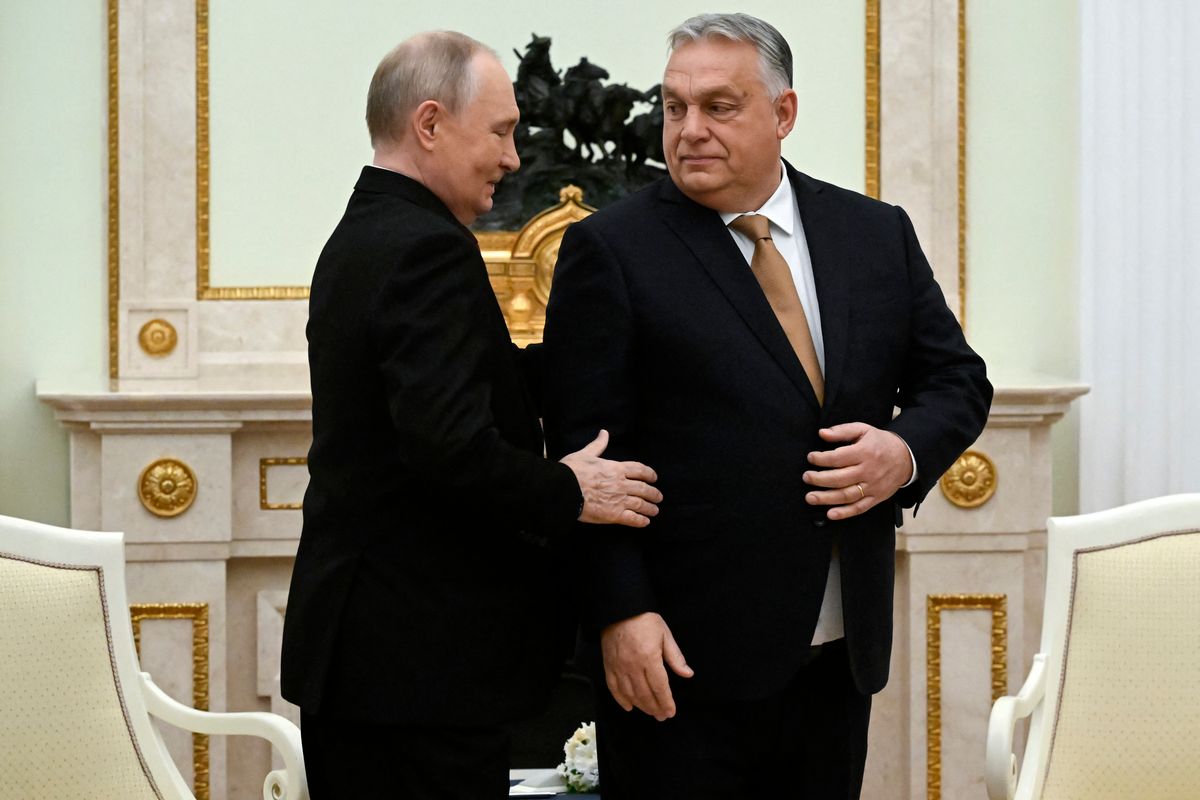
After assuming the rotating presidency of the European Union in July 2024, PM Viktor Orban announced a peace initiative aimed at accelerating an end to the Russia–Ukraine war. He stressed that Hungary was not merely offering an alternative to what he described as the EU’s pro-war stance, but was taking on an active mediating role to help bring about peace.
The first steps of the initiative were taken in the summer of 2024, when PM Orban traveled to Kyiv to meet with Ukrainian President Volodymyr Zelensky, followed by a visit to Moscow for talks with Russian President Vladimir Putin. He later held discussions with Donald Trump, Xi Jinping, Recep Tayyip Erdogan, and Pope Francis. The Hungarian prime minister emphasized that a vanishingly few number European countries maintain working relations with both sides of the conflict, while Hungary remains among that small group.

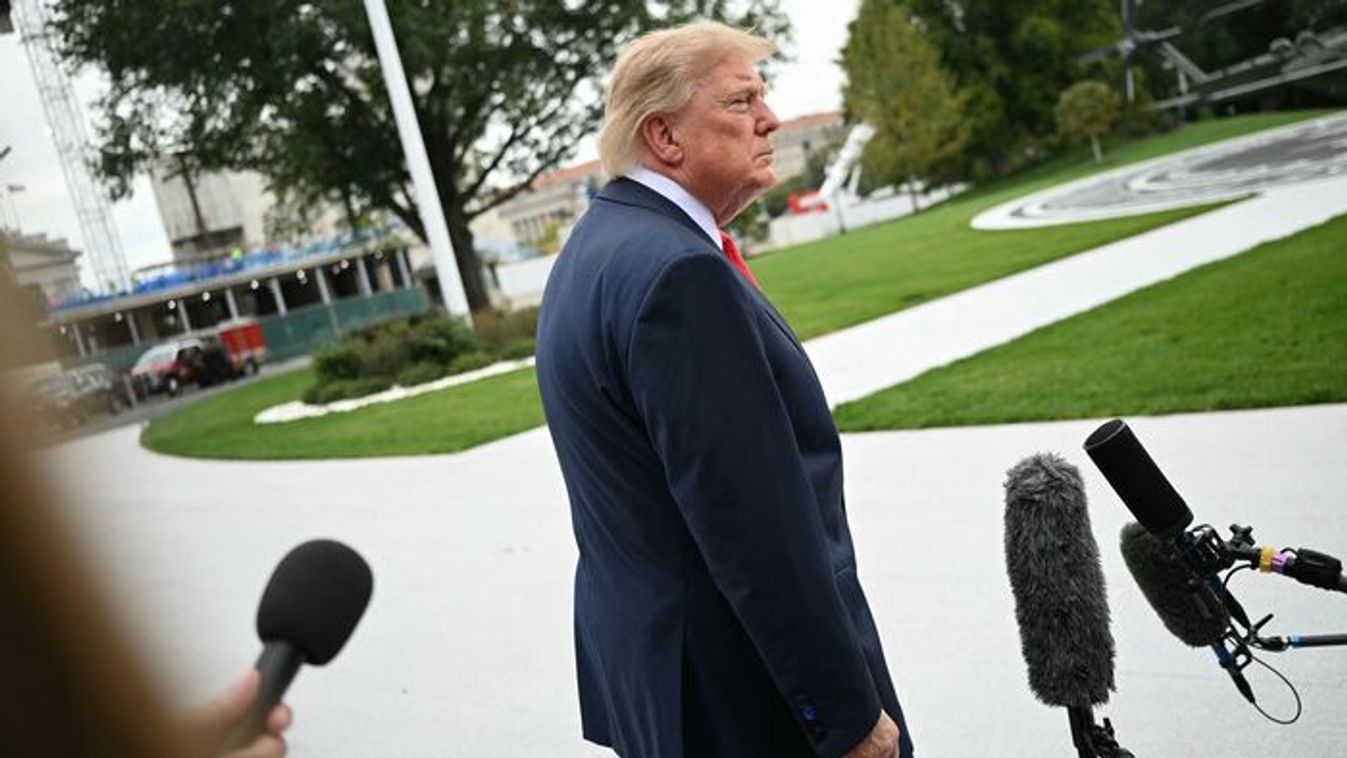
The peace initiative launched by Viktor Orban in 2024 continued into 2025. During a Middle East peace summit in Egypt, Donald Trump publicly praised the Hungarian prime minister, calling him a “great man” and a “fantastic leader,” and voiced full support for PM Orban’s peace efforts.
Following a phone call between the presidents of Russia and the United States on October 16, the two leaders agreed to meet in Budapest and begin preparations for a peace summit to be held in the Hungarian capital.
PM Orban also continued his diplomatic outreach by visiting the Vatican, where he was received in private audience by Pope Leo XIV on October 27. Hungary and the Holy See have consistently worked toward peace since the outbreak of the war and have supported each other’s initiatives in that regard.
Commenting on the meeting, the Hungarian prime minister wrote on social media:
I asked the Holy Father to support Hungary’s efforts for peace.
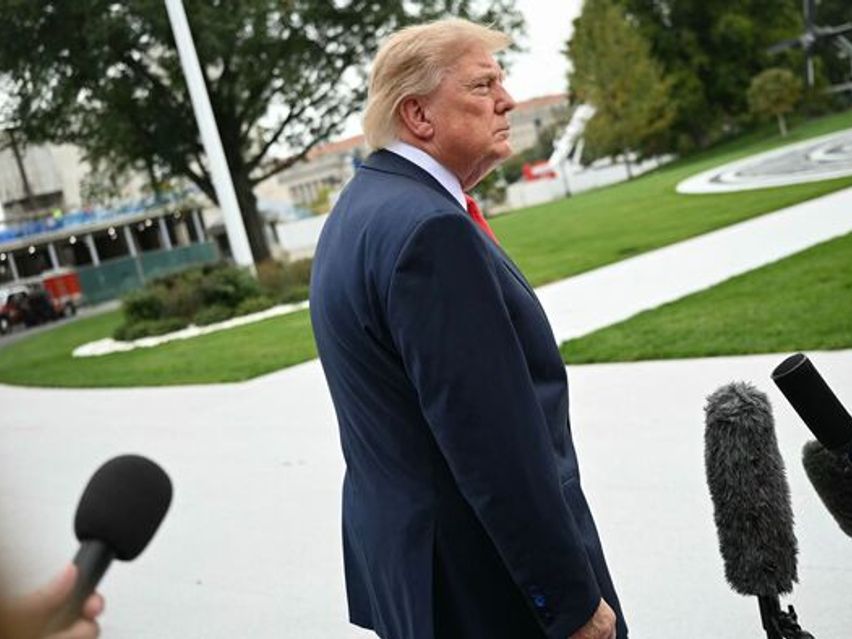
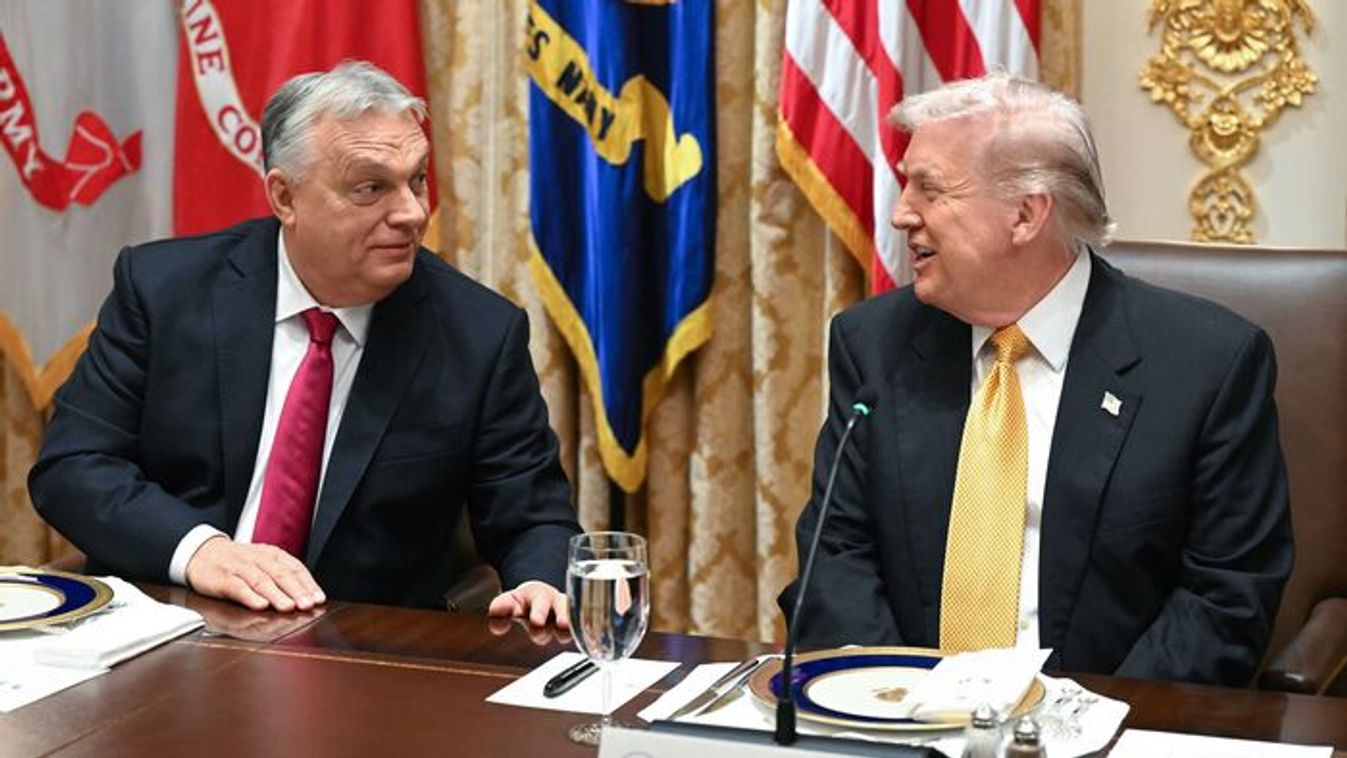
In early November, Orbán again met with Donald Trump in Washington, where the prospects for ending the Russia–Ukraine war featured prominently in their discussions. The visit also yielded tangible results, as Hungary succeeded in protecting its utility price reduction program despite pressure from pro-war forces in Brussels, by securing open-ended sanctions exemptions and a financial safeguard from the United States.


Szóljon hozzá!
Jelenleg csak a hozzászólások egy kis részét látja. Hozzászóláshoz és a további kommentek megtekintéséhez lépjen be, vagy regisztráljon!