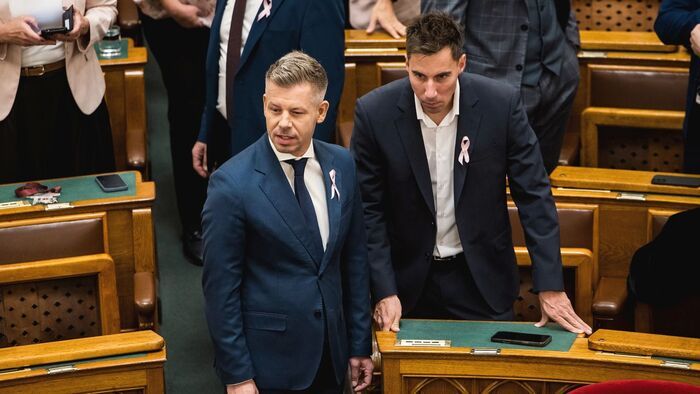
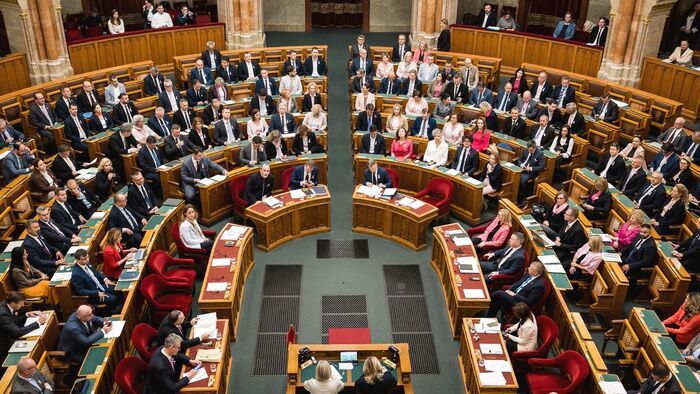
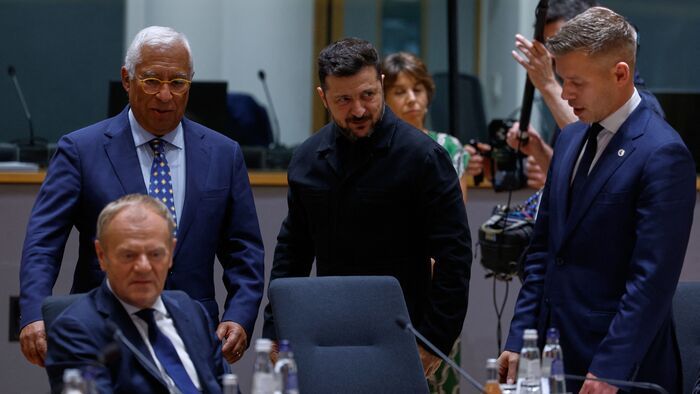
Suspicious Ukrainian financial movements in the territory of Hungary were also discussed at a recent meeting of the parliament’s National Security Committee. Reporting on the meeting, Mate Kocsis, the parliamentary group leader of Fidesz, emphasized the importance of providing additional tools to NAV. Meanwhile, the Hungarian parliament has adopted a legislative proposal under fast-track procedure submitted in connection with the gold convoy case. According to the justification, the manner in which the assets were transported and the identities of the individuals carrying out the shipment raise additional national security risks.
One Week in the Shadow of the Gold Convoy Case: From the Raid to the Ukrainian War Mafia
 Itt állíthatja be, hogy a Google keresőben elsők között legyen a Magyar Nemzet
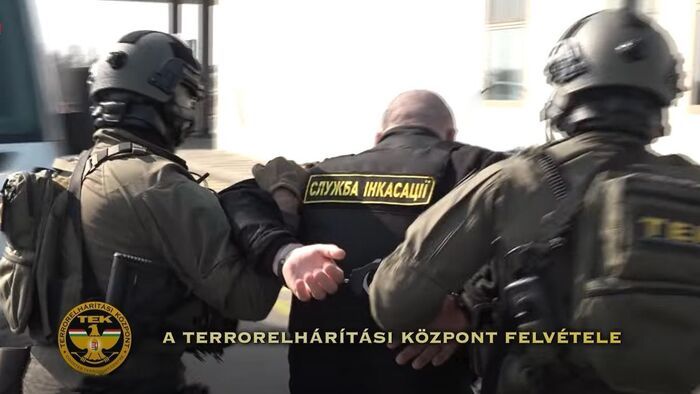
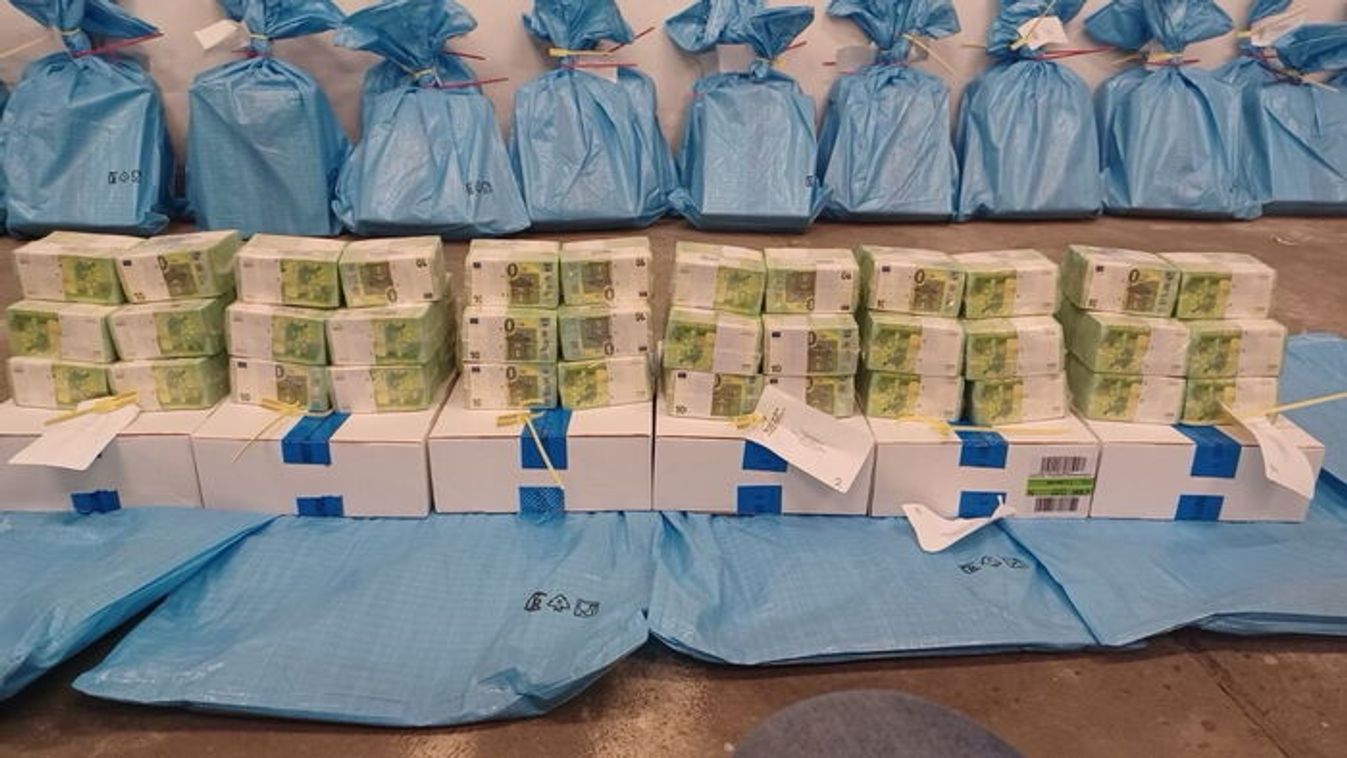
A number of details have emerged over the past week regarding the Ukrainian gold convoy case, but many questions still remain about the enormous sums of cash and the gold involved. The central issue still awaiting clarification is who the nearly 30 billion forints in seized money and valuables were intended for and for what use. The shipment was seized by the Hungarian National Tax and Customs Administration (NAV), and a criminal investigation has been launched on suspicion of money laundering.
2026. 03. 12. 16:37
Questions Also Raised in Ukrainian Media
It is noteworthy that Ukrainian media have also discussed the suspicious circumstances surrounding the gold convoy.
In a television program, a reporter questioned why an intelligence service general was present in a cash transport vehicle, which is explicitly prohibited by regulations.
However, instead of providing a meaningful explanation, the invited political scientist expressed outrage that the reporter was playing into the hands of Viktor Orban.
According to a former Ukrainian prosecutor, however, the gold convoy case does involve criminal activity. Stanislav Bronevytskyi has initiated criminal proceedings in Ukraine as well on strong suspicion of money laundering linked to the cash shipment operation.
A well-known Ukrainian political scientist, Mykola Davydiuk, went even further, pointing out that
the shipment of such large quantities of money may be connected to an attempted money laundering operation by a war mafia linked to the Ukrainian government. He also sent a message to the Ukrainian political elite, saying they should steal less.
He recalled that in Switzerland Ukrainian cash transport vehicles carrying money belonging to top leaders had already been stopped several times, with those leaders attempting to prevent inspections through diplomatic influence.
The Romanian Connection
Meanwhile, it has also emerged that since the first day of the war the Ukrainians have continuously been moving massive amounts of euros and dollars through Romania. This was reported on social media by Romanian investigative journalist Iosefina Pascal, who supported her claim with a video footage recording a conversation between two employees of a Romanian cash transport company.
Ne maradjon le a Magyar Nemzet legjobb írásairól, olvassa őket minden nap!
- Iratkozzon fel hírlevelünkre
- Csatlakozzon hozzánk Facebookon és Twitteren
- Kövesse csatornáinkat Instagrammon, Videán, YouTube-on és RSS-en

A legfrissebb hírekért kövess minket az Magyar Nemzet Google News oldalán is!
Címoldalról ajánljuk
Tovább az összes cikkhez