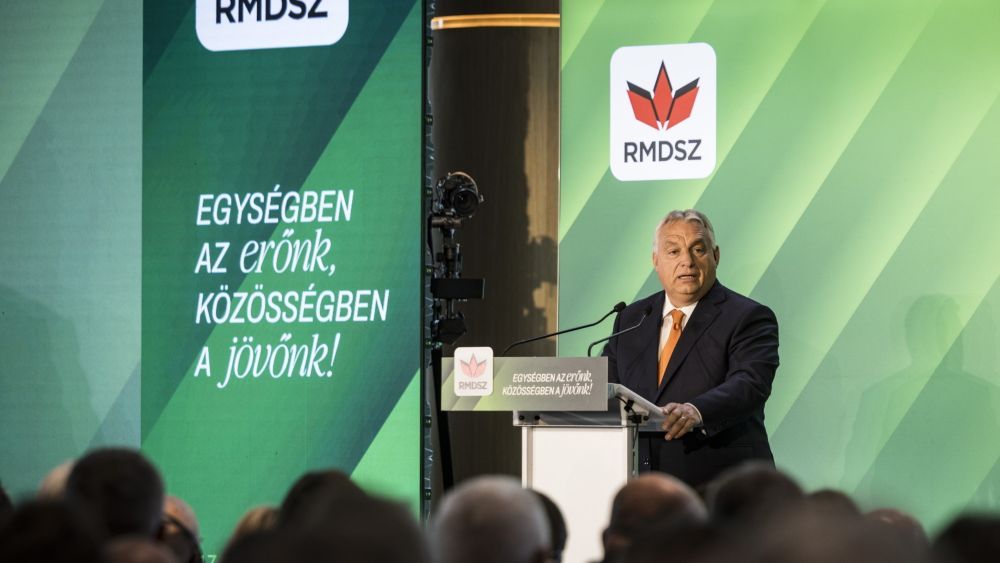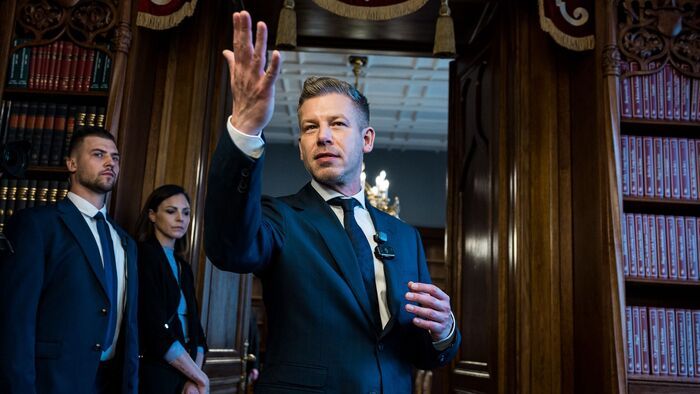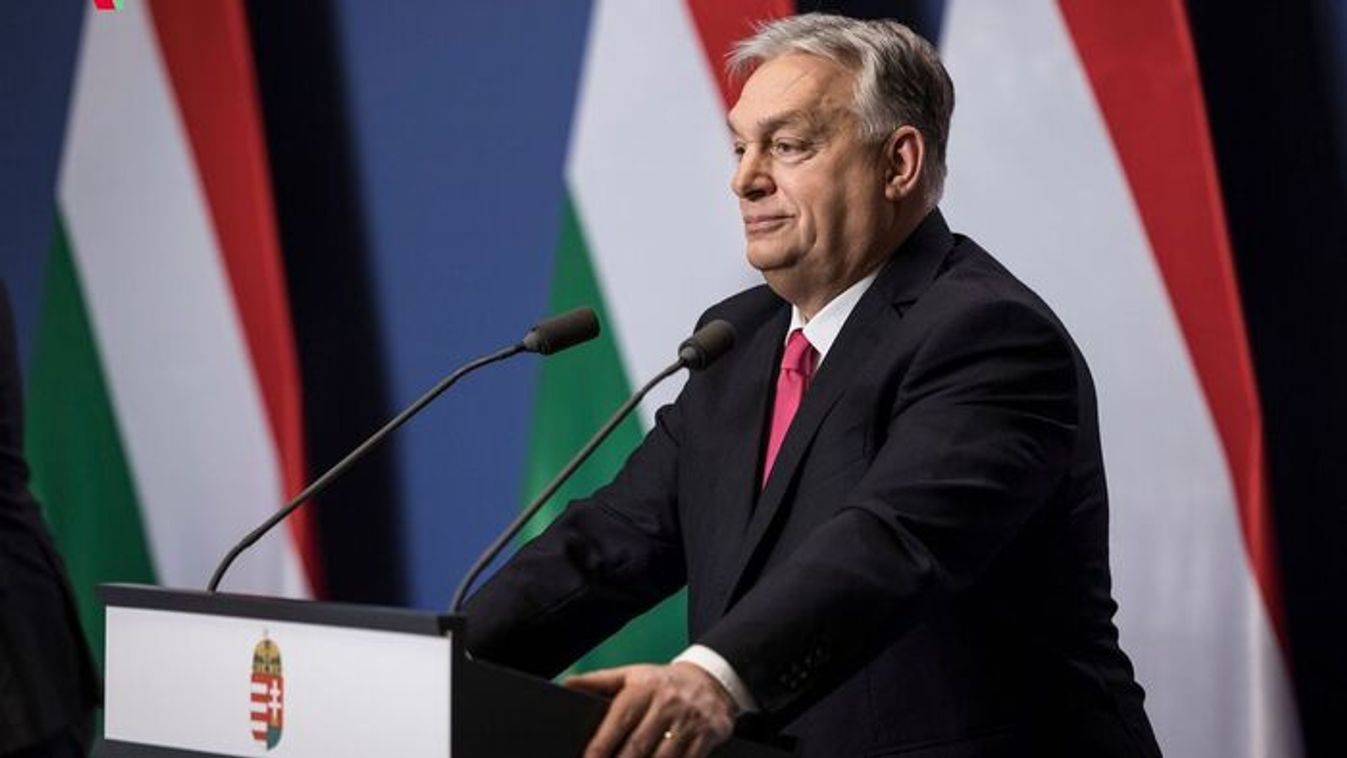
He argued that the long-held assumption that development meant becoming more like the West no longer holds. This used to be the case, nothing refuted it, but is no longer true, and there are plenty of experts talking and writing about this flip.
Economic data show Europe declining, America holding steady, and Asia rising.
As a result, Europe is now seeking to protect its markets from high-tech Asian goods.
PM Orban said no hope should be placed in the European Union. While its founding idea was noble, the result has been an attempt to dictate whom nations can live with, impose censorship, and push countries into war.
"The real question is the future of Hungarians,” he said.
A Work-Based Society
“Since 2010, I have done nothing but search for solutions that are not necessarily Eastern nor Western, but are good for Hungarians,” the PM said. That is why the government built a family-centered and work-based society.
We purposely created a work-based society. In Western Europe, there is a welfare-based society.
Such a system, he argued, would be unthinkable and unsustainable in Hungary, generating enormous tensions. He recalled that
in Hungary, unemployment stood at 12 percent in 2010 and is now around 4 percent.
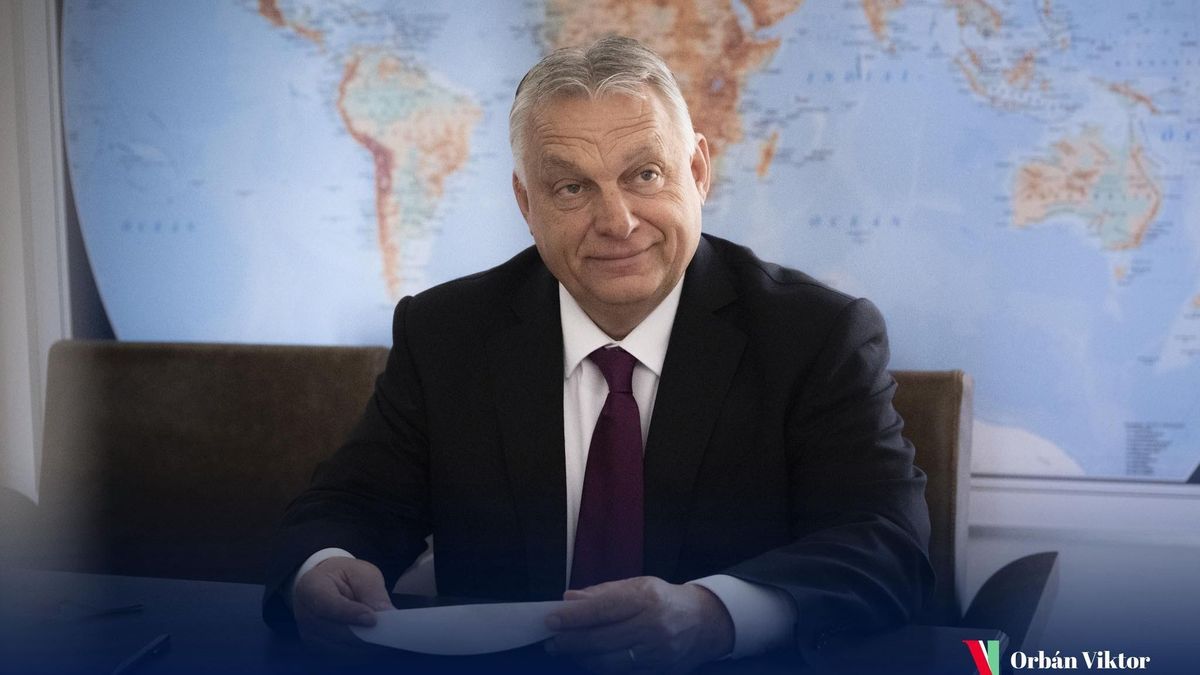
Comparing Hungary to Western Europe, Viktor Orban said they are “two entirely different worlds.” Hungary’s international recognition, he argued, comes from charting its own course rather than copying others. He noted that even Chile’s newly elected right-wing president is looking to emulate Hungary’s family policies.
Choosing a Destiny
The prime minister said the opposition must be taken seriously. He started mentioning their intellectual abilities, but decided, instead, to respond with a different approach. "They want regime change—replacing Hungary’s national system with a Brussels-based one. That is the greatest stake of this election,” he said. “We are choosing a destiny.”
If we choose the Brussels path, returning to the national system will be impossible—or extremely difficult,
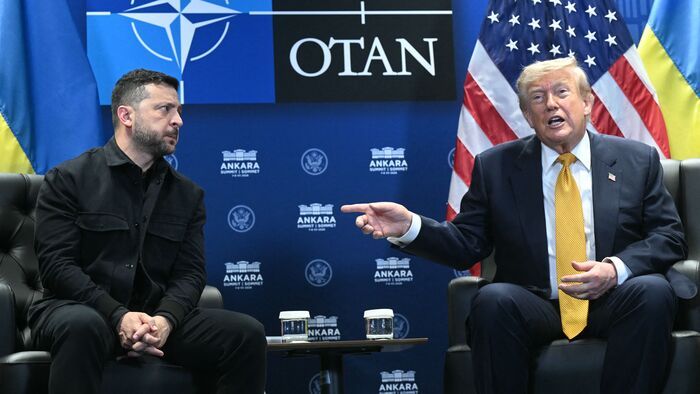
Orban warned. He argued that old international institutions are paralyzed, which is why new frameworks are emerging, including the Board of Peace initiative backed by the United States. While many in Europe say this is not a way to peace negotiations, President Donald Trump is quite entrepreneurial and it is obvious that the existing international institutions have failed. "This just may lead to something," which is why the Hungarian PM sought parliamentary approval to be a founding member of the initiative. He said the end of the old world order is becoming clear.