FM Szijjarto Makes Major Announcement: New Solution for Energy Supply Security

"Hungary will also connect its natural gas network with Slovenia, so our country will soon be connected to all neighboring states. The more delivery routes are available, the more secure the energy supply becomes," Hungarian Minister of Foreign Affairs and Trade Peter Szijjarto announced in Budapest on Thursday.

2026. 03. 20. 12:21
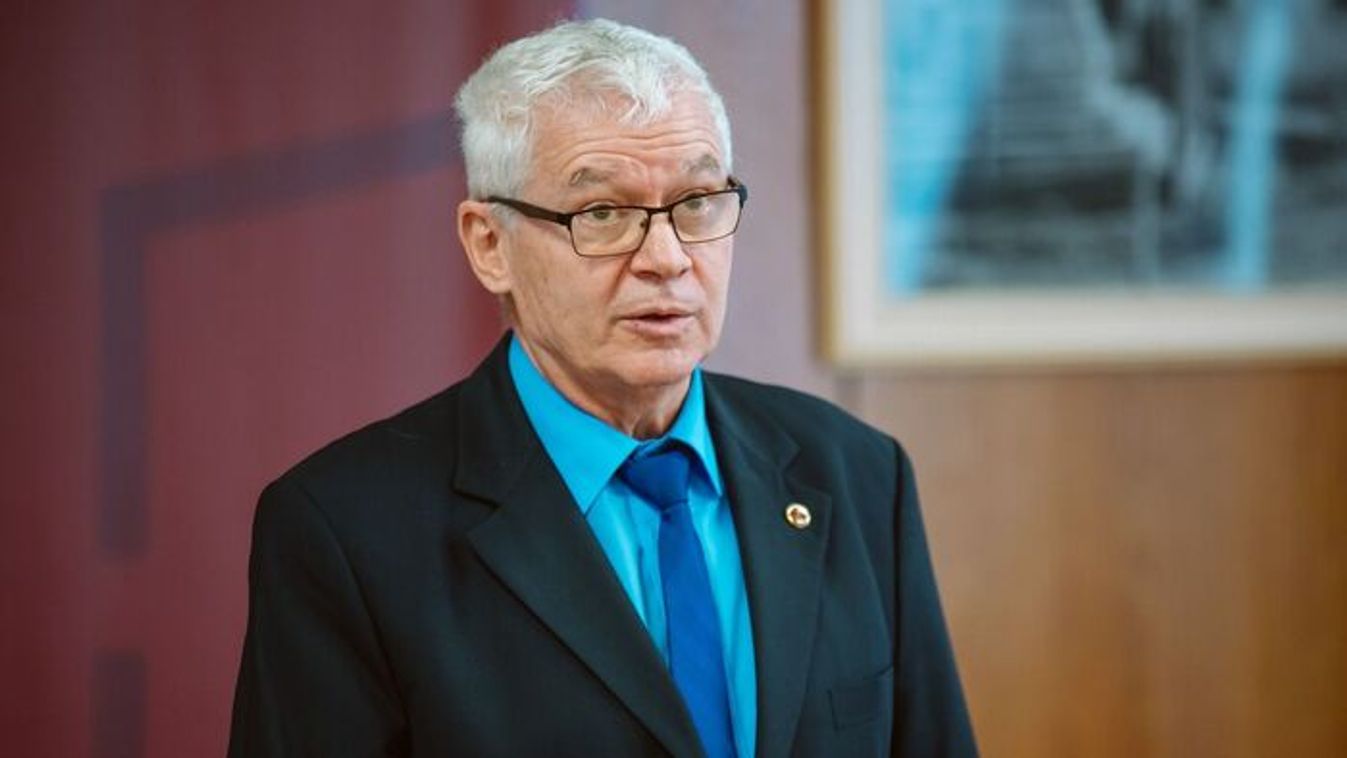
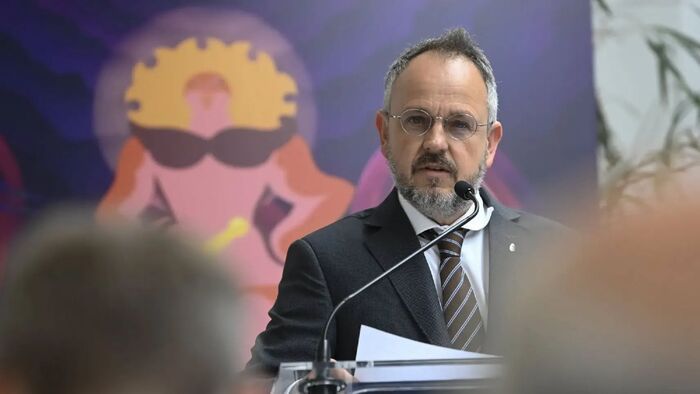
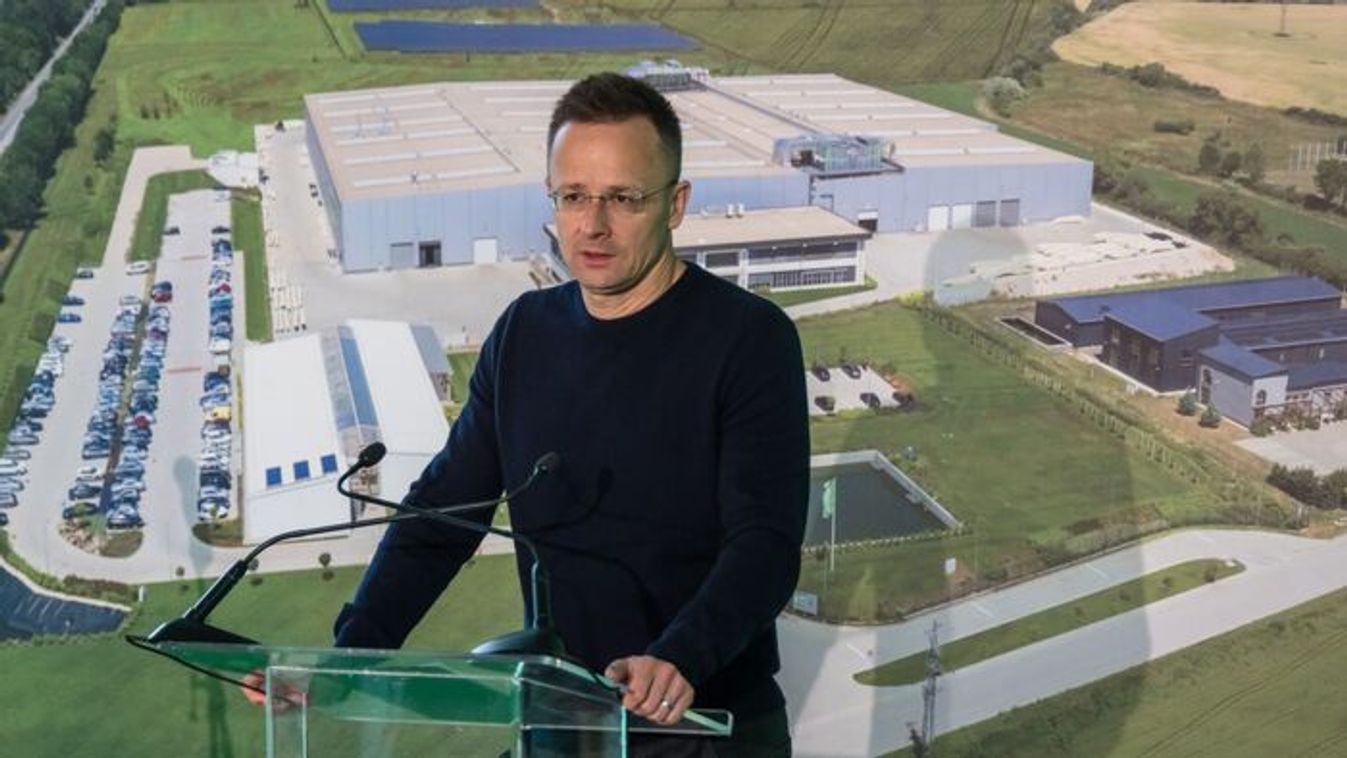
Hungarian Minister of Foreign Affairs and Trade Peter Szijjarto (Photo: MTI)
VéleményhírlevélJobban mondva - heti véleményhírlevél - ahol a hét kiemelt témáihoz fűzött személyes gondolatok összeérnek, részletek itt.

At a joint press conference with Slovenian Minister of Environment, Climate and Energy Bojan Kumer, Peter Szijjarto announced that they have signed an agreement to connect the natural gas transmission systems of the two countries, according to the statement issued by the ministry.

Szijjártó Péter (Fotó: MTI/Kovács Attila)
Hungarian Minister of Foreign Affairs and Trade Peter Szijjarto (Photo: MTI/Attila Kovacs)

He pointed out that natural gas plays an extremely important role in Hungary’s energy supply, accounting for one third of the total energy consumption. Therefore, Hungary has already connected its network with six of its seven neighboring countries, with Slovenia being the only exception until now, and the same applied in reverse.

The time has come to take the most important step in this direction and conclude an agreement to connect the natural gas transmission systems of the two countries. With this, we will be able to say that both countries are connected with all of their neighbors,

he said.

"As a landlocked country, there is nothing more we can do for the security of our natural gas supply than to connect our gas systems with all neighboring countries. I would also like to make it clear that we are not building a new route instead of something else, but in addition to existing ones. Because the more delivery routes are available, the more secure our energy supply is," he continued.

This is a very important step forward from the perspective of Hungary’s energy security. We are building on the shared success that came from already connecting our electricity grids, and now we will also connect our gas pipeline networks,

he said.

Peter Szijjarto announced that a total of 115 kilometers of pipeline will be built, including approximately 40 kilometers of new pipeline on the Hungarian side, along with a compressor station.

The interconnector will start with an annual capacity of 440 million cubic meters, which can later be expanded to 1.7 billion cubic meters. This will enable Hungary to access Italian LNG via Slovenia,

he underlined.

He confirmed that Hungary will lobby in Brussels for European Union funding for the project, since if the European Commission is serious about diversifying the energy supply of Central European countries, it must also provide financial resources. "If they fail to do so, their statements about diversification will lack credibility," he said.

The minister explained that, as a result of the war with Iran, the world is rapidly approaching one of the most severe energy supply crises of all time, as the closure of the Strait of Hormuz affects 20 percent of global oil needs.

What makes the situation particularly serious for Hungary is that we must also face Ukraine's oil blockade, a joint action by Ukraine and Brussels in an effort to create an oil supply crisis, but they failed because we were prepared for such scenarios,

 he said.

He further emphasized that the Hungarian government pursues a pragmatic energy policy, does not treat energy supply as an ideological issue, and believes that more routes and more energy sources must be involved.

If we are cut off from well-functioning energy sources, the country’s energy supply is put at risk. Therefore, the number of energy supply routes must not be reduced, and pipelines must not be shut down, but new ones must be built,

he noted.

"It is unacceptable that there are efforts from Brussels aimed at shutting down energy pipelines. Energy policy falls within the scope of national sovereignty, and therefore we will never accept attempts from outside to dictate what can or cannot be done in the field of energy policy," he concluded.

Cover photo: Hungarian Minister of Foreign Affairs and Trade Peter Szijjarto (Photo: MTI)

Komment

Összesen 0 komment

A kommentek nem szerkesztett tartalmak, tartalmuk a szerzőjük álláspontját tükrözi. Mielőtt hozzászólna, kérjük, olvassa el a kommentszabályzatot.


Jelenleg nincsenek kommentek.

Szóljon hozzá!

Jelenleg csak a hozzászólások egy kis részét látja. Hozzászóláshoz és a további kommentek megtekintéséhez lépjen be, vagy regisztráljon!

A téma legfrissebb hírei

Tovább az összes cikkhez chevron-right

Ne maradjon le a Magyar Nemzet legjobb írásairól, olvassa őket minden nap!

Google News
A legfrissebb hírekért kövess minket az Magyar Nemzet Google News oldalán is!

Címoldalról ajánljuk

Tovább az összes cikkhez chevron-right

Portfóliónk minőségi tartalmat jelent minden olvasó számára. Egyedülálló elérést, országos lefedettséget és változatos megjelenési lehetőséget biztosít. Folyamatosan keressük az új irányokat és fejlődési lehetőségeket. Ez jövőnk záloga.