As Unprecedented Energy Crisis Races Toward Europe, The Only Solution Is Cheap Russian Energy + Video

Europe is drifting toward a severe energy crisis, exacerbated both by wars and by Brussels’s energy policy. The key to supply security would be the return of cheap Russian energy to the European market, but the European Union refuses to even consider it. Meanwhile, the Tisza Party’s plan for disengagement would have drastic consequences: alongside gasoline prices of 1,000 forints, it would impose at least an additional 1 million forints in annual costs on Hungarian families.

2026. 04. 05. 10:42
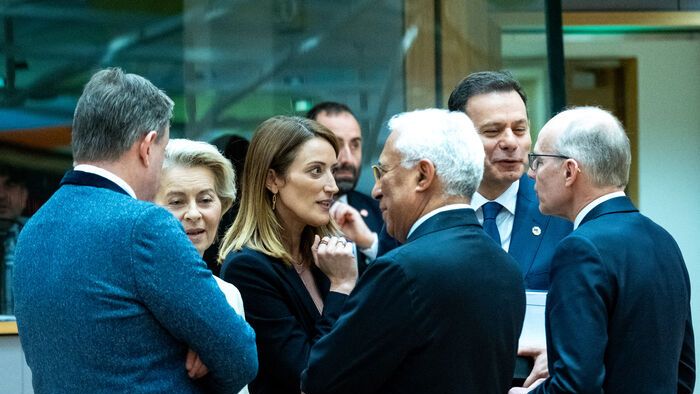
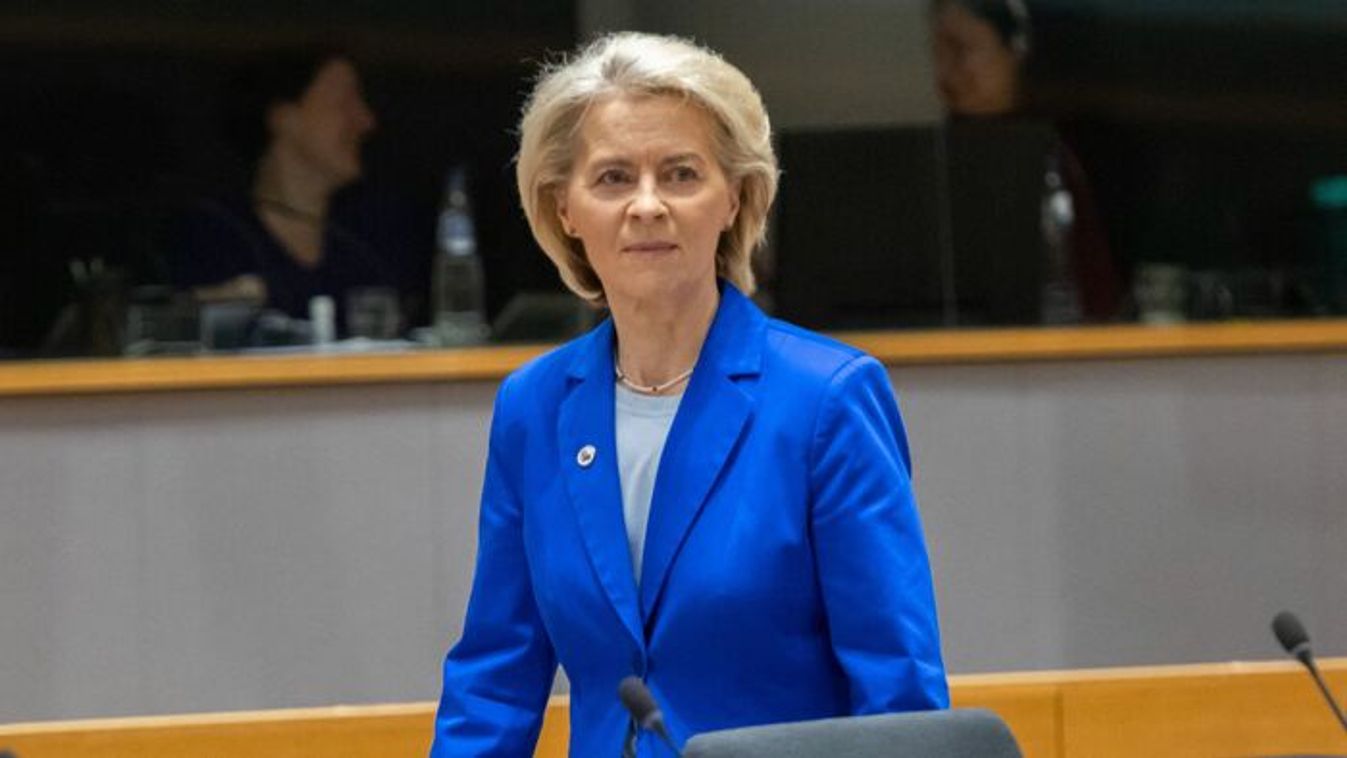
EC President Ursula von der Leyen in the Europa Building during the European Council summit in Brussels, March 19, 2026 (Photo by Nicolas Economou/NurPhoto) (Photo by Nicolas Economou / NurPhoto via AFP)
VéleményhírlevélJobban mondva - heti véleményhírlevél - ahol a hét kiemelt témáihoz fűzött személyes gondolatok összeérnek, részletek itt.

Europe’s energy security has fallen into a serious crisis this spring, as the continent is simultaneously forced to confront the physical blockade of eastern supply routes and the disruption of import lines from the Middle East. Moreover, the blockade of the Friendship (Druzhba) oil pipeline has now become a lasting condition, depriving Central European refineries—including facilities in Hungary and Slovakia—of the stable pipeline supply they have relied on for decades.

An Unprecedented Energy Crisis Is Approaching

In a video posted on his social media page, PM Viktor Orban said that Europe has reached a critical situation. As he put it, “an unprecedented financial and energy crisis is pounding on Europe’s door,” further aggravated by the war involving Iran and misguided decisions from Brussels.

Azt követeljük, hogy az orosz energiára kivetett szankciókat és korlátozásokat Brüsszel azonnali hatállyal függessze fel – mondta videójában Orbán Viktor miniszterelnök
“We demand that Brussels immediately suspend the sanctions and restrictions imposed on Russian energy,” Prime Minister Viktor Orban said in his video (Photo: Prime Minister’s Communications Office/Zoltan Fischer)

He emphasized that “the European economy is threatened by an energy shortage and the resulting price increases,” making urgent action necessary. As he noted, “every single day counts.”

The Return of Russian Energy May Be the Only Solution

The prime minister made it clear that supply security can only be guaranteed if Europe makes use of all available sources. As he stated:

we demand that Brussels immediately suspend the sanctions and restrictions imposed on Russian energy!

He added that “Brussels must compel President Zelensky to reopen the Friendship oil pipeline immediately,” and plans aimed at cutting off Russian energy must be abandoned.

PM Robert Fico also sharply criticized the EU’s direction. He said the European Union is beginning to resemble “a suicidal ship” in terms of energy security and called for “a return to common sense.”

On his social media page, Mr. Fico emphasized that “the senseless sanctions banning gas and oil imports from Russia must be lifted,” and dialogue with Russia must be resumed.

Brussels Decisions and Rising Prices

Peter Szijjarto warned that European Commission plans could further worsen the situation. As he stated, “gasoline prices in Hungary could reach 1,000 forints per liter from mid-April” if the EU bans Russian oil.

He added that this is a “European suicidal initiative” that could lead to even greater energy shortages and price increases. In his view, a dramatic energy supply crisis and a sharp rise in energy prices are already expected.

Hungary's transport and construction minister Janos Lazar stated that

the opportunity for cooperation with Russia must be opened to all countries, because Europe needs access to cheap Russian energy.

The minister also criticized the Tisza Party’s energy policy, which he said would mean price increases, higher taxes, and privatization, potentially imposing an annual burden of up to 1 million forints per household.

According to the government’s position, disengagement would not only raise utility costs but also lead to a drastic increase in fuel prices, potentially resulting in gasoline prices of as much as 1,000 forints per liter.

Taken together, for an average family of four, fuel costs would rise by 48,600 forints per month, gas bills by 31,000 forints per month, and electricity bills by 16,000 forints per month—amounting to an additional 1 million forints per year due to the Tisza energy plan.

Cover photo: Ursula von der Leyen, President of the European Commission (Photo: NurPhoto)

Komment

Összesen 0 komment

A kommentek nem szerkesztett tartalmak, tartalmuk a szerzőjük álláspontját tükrözi. Mielőtt hozzászólna, kérjük, olvassa el a kommentszabályzatot.


Jelenleg nincsenek kommentek.

Szóljon hozzá!

Jelenleg csak a hozzászólások egy kis részét látja. Hozzászóláshoz és a további kommentek megtekintéséhez lépjen be, vagy regisztráljon!

A téma legfrissebb hírei

Tovább az összes cikkhez chevron-right

Ne maradjon le a Magyar Nemzet legjobb írásairól, olvassa őket minden nap!

Google News
A legfrissebb hírekért kövess minket az Magyar Nemzet Google News oldalán is!

Címoldalról ajánljuk

Tovább az összes cikkhez chevron-right

Portfóliónk minőségi tartalmat jelent minden olvasó számára. Egyedülálló elérést, országos lefedettséget és változatos megjelenési lehetőséget biztosít. Folyamatosan keressük az új irányokat és fejlődési lehetőségeket. Ez jövőnk záloga.