Everything Hinges on One Bad Decision

Ten years ago, the migration crisis hitting Europe broke out, and for ten years, Hungary's border fence has been protecting both the country's and Europe’s borders. Over the past decade, it has become clear how severe the consequences of uncontrolled immigration and Angela Merkel’s Willkommenskultur have been. Magyar Nemzet spoke with Miklos Szantho, Director General of the Center for Fundamental Rights, about the campaign titled “Just One Bad Decision, and It's Game Over.”

2025. 09. 20. 15:43
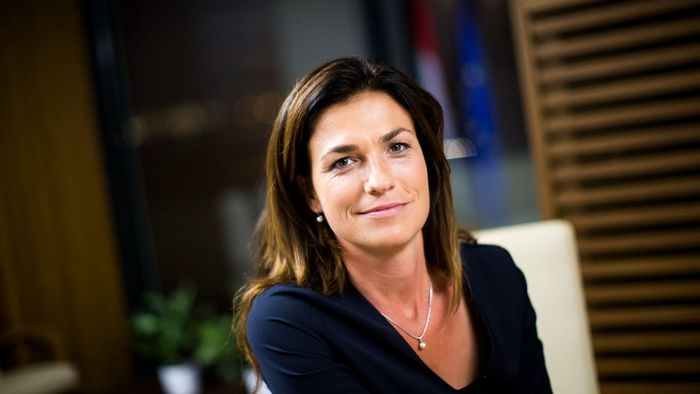
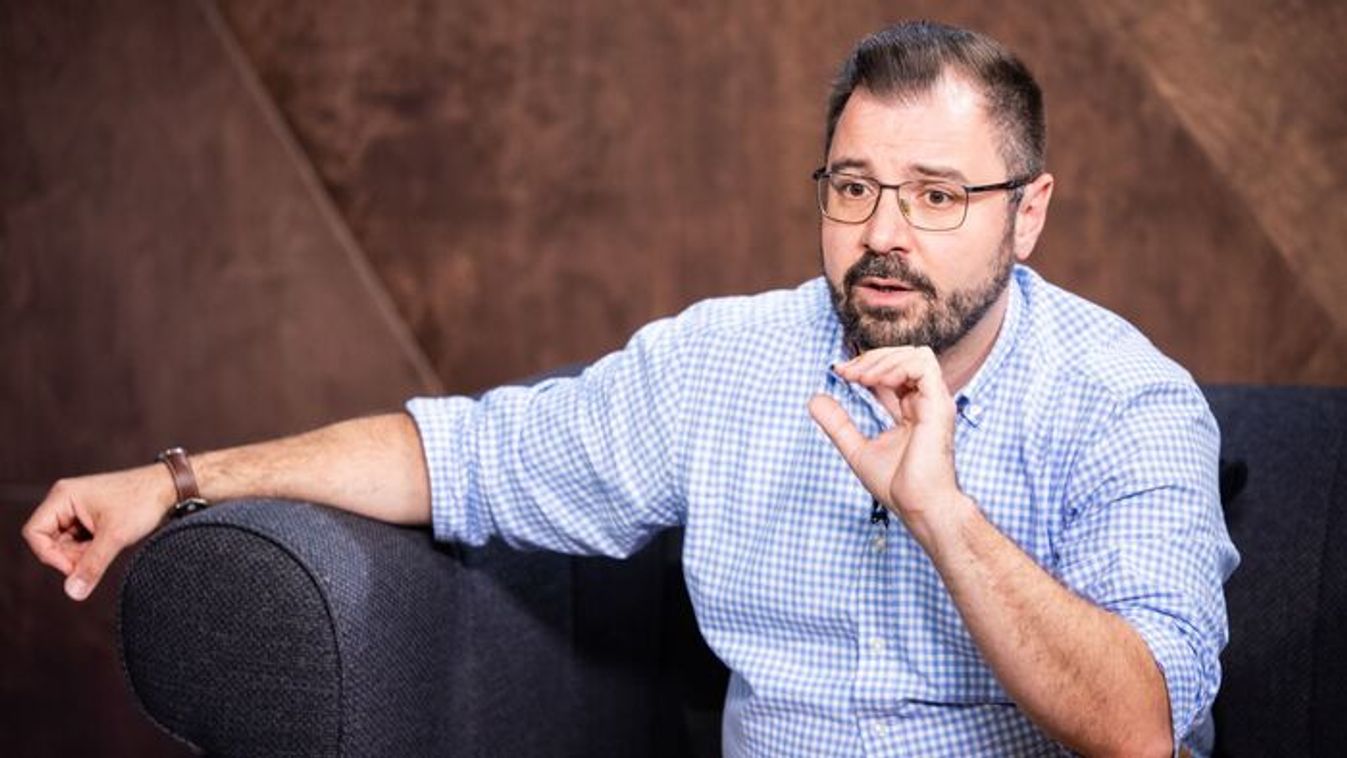
Miklos Szantho, Director General of the Center for Fundamental Rights (Photo: Balazs Ladoczki)
VéleményhírlevélJobban mondva - heti véleményhírlevél - ahol a hét kiemelt témáihoz fűzött személyes gondolatok összeérnek, részletek itt.

As you mentioned, letting migrants in has had severe consequences in many European countries. What impact has migration had on Europe as a whole, what kind of social and cultural transformation is taking place in the West?

– In the past decade, the EU’s migrant-background population grew steadily: from about 41 million in 2010 to more than 63 million in 2024. In other words by twice Hungary’s total population—that's alarming! In Hungary, the most popular name given to baby boys is Dominik, while in England it’s Mohammed, even if only counting just one spelling variant of the name. That shows clearly: this isn’t assimilation, it’s identity and population replacement. And it’s not just a shift in demographics. There are much more painful consequences as well.

In 2023, the EU saw 120 terrorist incidents—98 carried out, 9 failed attempts, 13 foiled plots. That’s a fourfold increase from the 28 attacks in 2022. Jihadist terrorism is the deadliest threat within the Bloc, with 334 related arrests last year.

In just the past few years, more than a thousand people have died in terrorist attacks. Just days ago, there were reports of Hungarian women being the targets of rape in Sicily, and in Sweden nearly 300 underage migrant girls are on trial for murder and grievous assault, used as tools by immigrant clans in their blood feuds. Is this the “brave new world”?

Between 2013 and 2023, sexual violence crimes, including rape, rose 79.2% in the EU. By contrast, Hungary has seen no jihadist terror attacks since 2015, and sexual violence rates are among the lowest in Europe. We don’t face mass waves of violence, we don’t live with daily threats. That is why Brussels attacks us. We should cherish and value the safety and security of our current Hungarian homeland.

In your view, what is the most dangerous ideological change in Europe brought about by migration?

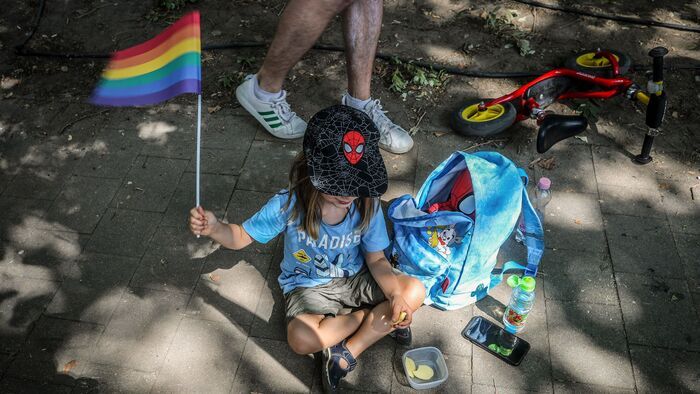
– Globalist elites in politics and media have weakened Europe’s Judeo-Christian cultural foundations with political correctness, cancel culture, and guilt culture. This isn’t about religion as a personal matter, but about social norms and codes. In the name of “neutrality,” they want to eradicate everything that might be “non-inclusive,” but in doing so they erase what once made Europe great and proud. The result: Europe is now rich and weak, a prime target for migration. And the ideological absurdity is clear: the masses flooding in are not compatible with "old" Christian traditions, and they also reject the hollow, self-denying “new" Europe. There are no Pride parades in a caliphate. The political forces cheering for migration will soon learn that gender ideology doesn’t go well with Sharia. Another cruel change is the rise of antisemitism: it is shocking to me that the same circles who for years accused Hungary’s right wing—and even Benjamin Netanyahu—of “fascism,” now lend support to pro-Hamas and terror-friendly demonstrations across Europe. In the European caliphate, first the synagogues will burn and homosexuals will be stoned—only after that come the Christian churches.

Why is Hungary attacked by pro-migration countries, who is trying to break the sovereignist government and Hungary’s migration policy, and how?

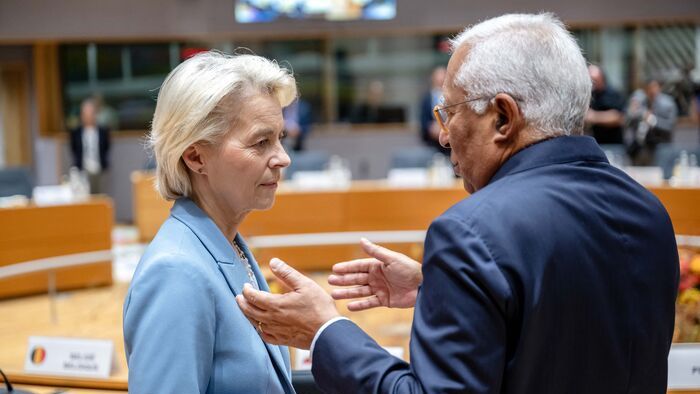
– There’s a big plan, the Brussels plan. Eurocrats and their local agents in every country are working on it. The goal is centralization—shifting decision making from the nation-state to the federal level—to create the United States of Europe. And it’s easier to impose such a system on a Europe of mixed populations, where every country has become ethnically blended. Then you can argue that national frameworks and borders are obsolete. The tool for this is mass migration, legal or illegal. Hungary has resisted this for ten years. I believe autumn 2015 was the moment Brussels decided Hungary’s right wing had to be toppled. Sometimes they try with force, sometimes with charm—now they’ve parachuted in a trendy, youthful-looking network that openly admits they must lie to win the elections. But being well dressed doesn’t mean you’re not a crook. The devil is known to be clever, too.

What do you think about the EU’s fine against Hungary and the double standard regarding Poland’s fence?  In principle, refugees (for political reasons or because of war) must be granted protection in the first safe country. If I understand the EU’s position correctly, Belarus is at war and also has political oppression. Yet it does not provide these fleeing people with their fundamental rights. At the same time, Brussels decided that for Syrian migrants the first safe country was Hungary. So how does that work?

– Brussels is fining Hungary €1 million a day—€400 million a year—for protecting our southern border. We say: anyone applying for asylum must do so outside our borders, because once a migrant enters EU territory, thanks to free movement ensured by the Schengen area, they disappear. But Brussels whole-heartedly and expressly supports border defense on the eastern flank—because of the Russian threat, and also without overtly saying it because Poland now has a left-wing government. A very convenient double standard for the bureaucrats.

But I think it’s worth “enduring” the fine if that’s the price of being able to walk the streets safely at night, without fear of migrant gangs. Ten years ago in Roszke on our southern border or at Keleti Railway station, we got a brief taste of what a mini-caliphate looks like. 

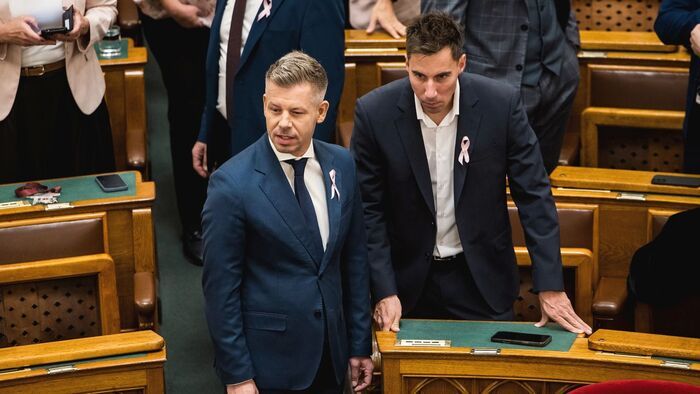
Migration is a question of destiny—but it doesn’t have to be our destiny. And let there be no doubt: just as Peter Magyar sides with Brussels, not Hungary, on pushing tax hikes, the war, and Ukraine’s EU membership, he would do the same regarding migration—because he must follow the political orders of his backers.

Open borders, no-go zones, migrant crime—or border defense, safe cities, zero migrants. Take your pick. But remember: you can only choose wrong once. After that, it’s game over.

Komment

Összesen 0 komment

A kommentek nem szerkesztett tartalmak, tartalmuk a szerzőjük álláspontját tükrözi. Mielőtt hozzászólna, kérjük, olvassa el a kommentszabályzatot.


Jelenleg nincsenek kommentek.

Szóljon hozzá!

Jelenleg csak a hozzászólások egy kis részét látja. Hozzászóláshoz és a további kommentek megtekintéséhez lépjen be, vagy regisztráljon!

A téma legfrissebb hírei

Tovább az összes cikkhez chevron-right

Ne maradjon le a Magyar Nemzet legjobb írásairól, olvassa őket minden nap!

Google News
A legfrissebb hírekért kövess minket az Magyar Nemzet Google News oldalán is!

Címoldalról ajánljuk

Tovább az összes cikkhez chevron-right

Portfóliónk minőségi tartalmat jelent minden olvasó számára. Egyedülálló elérést, országos lefedettséget és változatos megjelenési lehetőséget biztosít. Folyamatosan keressük az új irányokat és fejlődési lehetőségeket. Ez jövőnk záloga.