Tisza Party's Plans to Dismantle Pension System

Just a few months after the election, starting from September 1, 2026, the Tisza Party would allow new entrants to the labor market to make only private pension fund contributions. According to the outlet Ellenpont, the goal is obvious: the so-called economic convergence program reveals that they expect an enormous pool of money, reaching 40 to 50 percent of GDP over a few decades, and the billionaires surrounding the Tisza Party would treat this as a form of original capital accumulation.

2025. 12. 01. 15:28
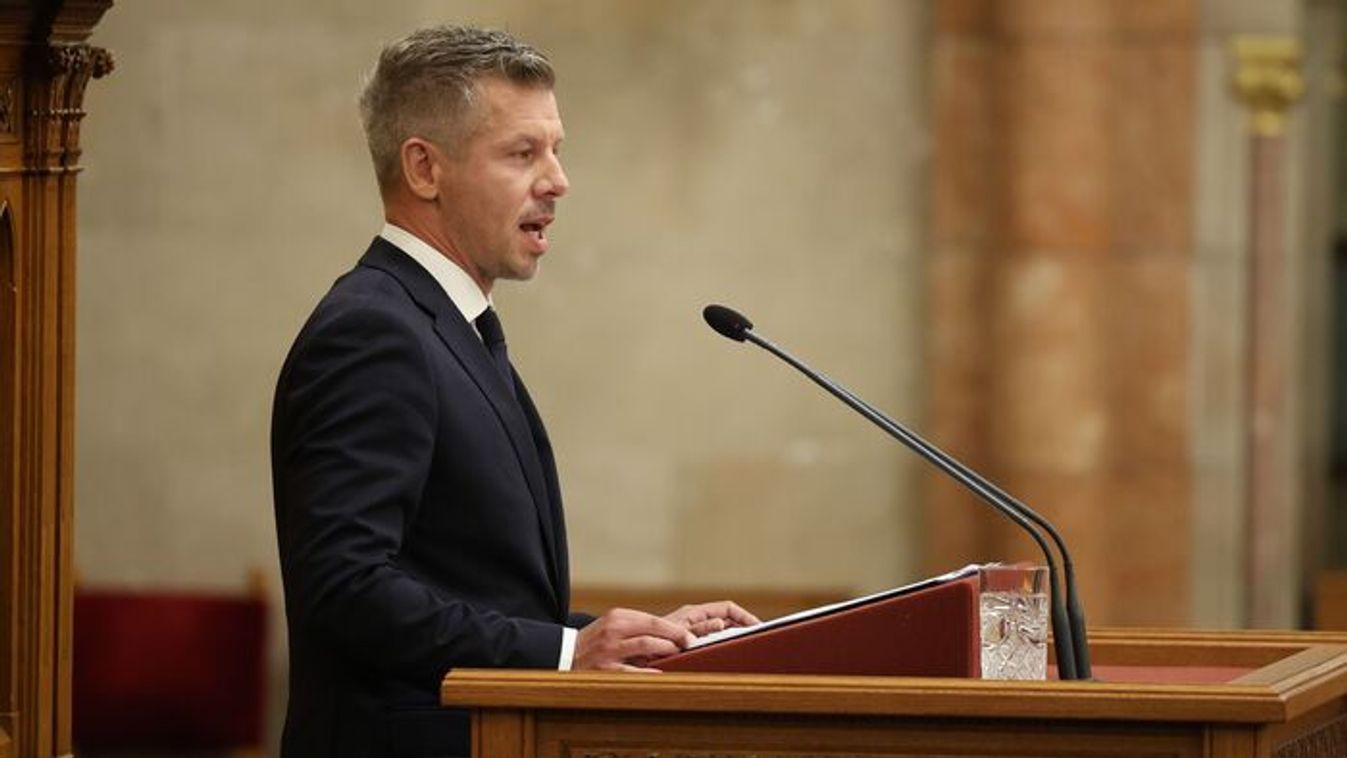
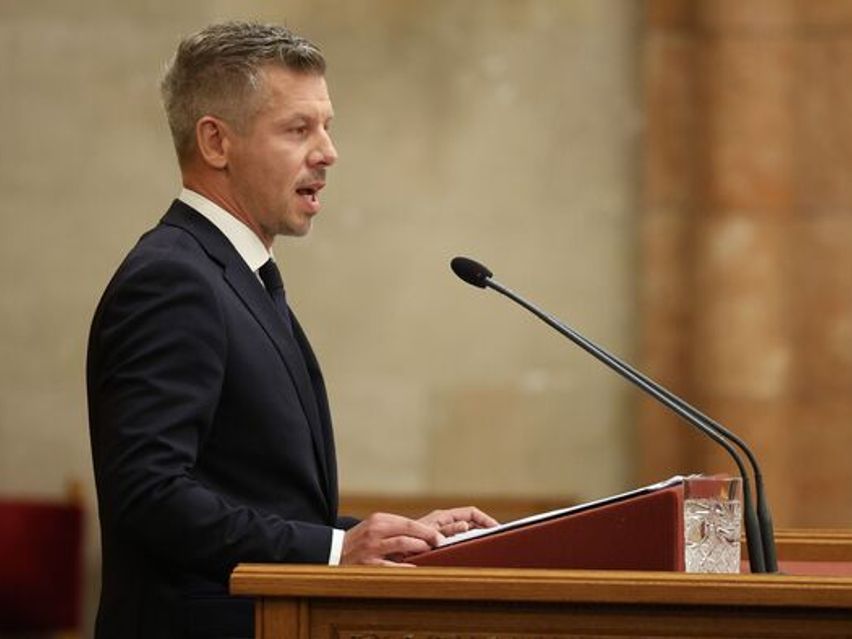
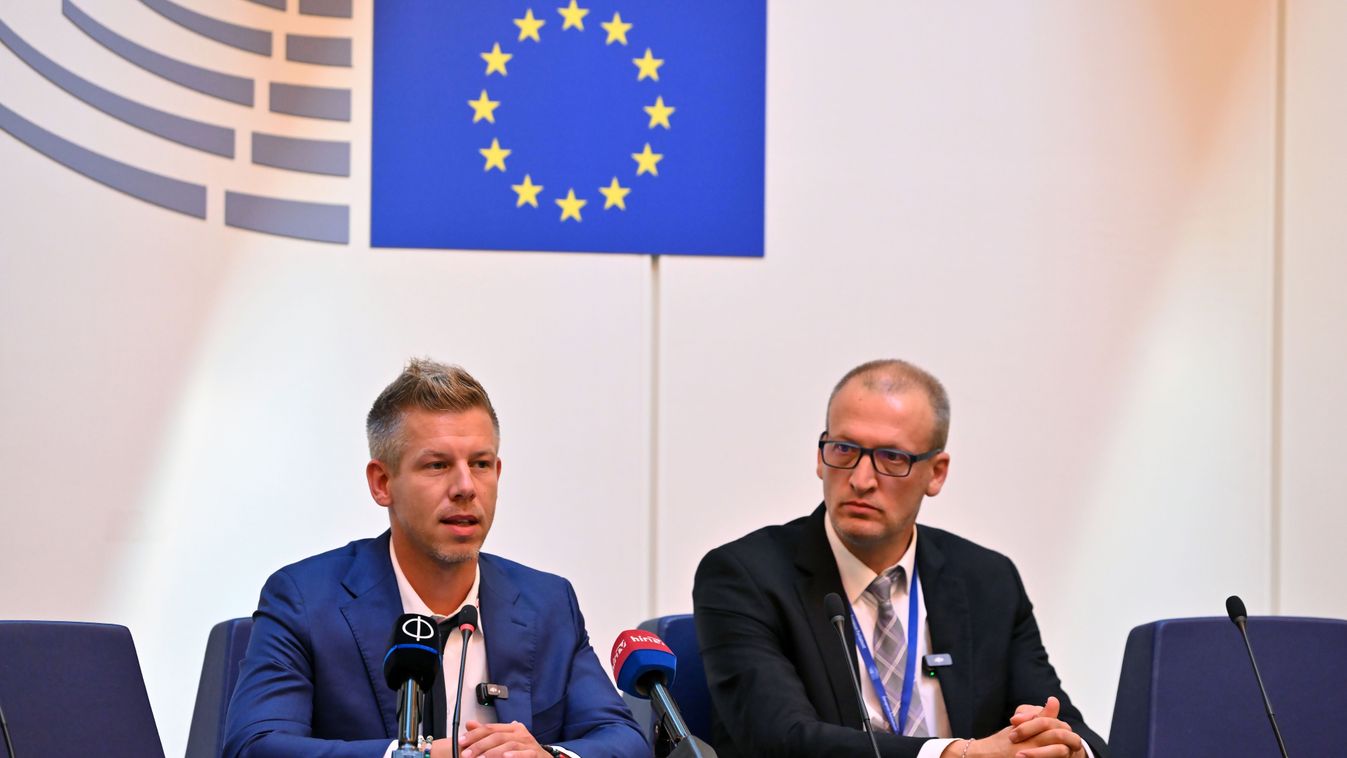
Magyar Péter és Tarr Zoltán (Fotó: MTI/Purger Tamás)
VéleményhírlevélJobban mondva - heti véleményhírlevél - ahol a hét kiemelt témáihoz fűzött személyes gondolatok összeérnek, részletek itt.

The plans put forward by Peter Magyar’s circle would completely tear apart the current pension system, which is based on social insurance and solidarity, replacing it almost entirely with mandatory private pension funds and market-based private insurers. This is clear from the left-wing austerity package prepared under Aron Dalnoki, head of the Tisza Party's economic working group, with contributions from Gyorgy Suranyi, former Hungarian Central Bank governor, and Peter Felcsuti, former chairman of the Hungarian Banking Association. The outlet Ellenpont highlights that the document openly states that "the state’s responsibility must be limited in the long term, and the financial stability of the system must be built on individual accounts and market investments."

Dalnoki Áron és Magyar Péter Forrás
Aron Dalnoki is one of the main architects of the document (Source: Facebook)


They Would Instantly Destroy the Pension System 

The outlet points out that in the proposal package mentioned above, the Tisza Party would begin

dismantling the pension system as early as next September 1, since from that point on anyone entering the workforce would only be allowed to contribute to a private pension fund.

According to the leaked plans, this contribution would amount to a minimum of 10 percent and a maximum of 15 percent of gross salary (in addition to a 2.5 percent "solidarity pension contribution," meaning that the former 10 percent pension contribution would increase to 12.5–17.5 percent). What remains unclear is who exactly would receive what kind of pension benefits in exchange for this 2.5 percent solidarity payment.

According to Ellenpont, the system would be made

almost completely exposed to the profit hunger of market-based private insurers.

The Tisza Party’s program makes it clear that they want to fully dismantle the current solidarity-based pension and social security systems, turning them into a profitable business sector.

The document openly states this: "One of the most significant economic effects of the pension reform is the strengthening of the financial markets." Shortly afterward, the document highlights the expected boost to the capital market: "Within twenty to thirty years, private pension funds will amass assets reaching a significant share of GDP, increasing domestic capital market liquidity and economic growth potential." Ellenpont’s analysis explains that this means private pension fund assets would gradually rise to 40–50 percent of GDP, providing "stable and predictable sources for the domestic capital market, contributing to the development of the government bond market, the stock market, and the corporate bond market."

Pensioners Don't Matter

Hungary already had mandatory private pensions between 1998 and 2011. The concept was developed by the Finance Ministry under Lajos Bokros, and by the time Parliament passed the law, Peter Medgyessy was Finance Minister. From 1998 onward, 6 percent—and later 8 percent—of workers’ pension contributions went to private funds, while 18 percent went to the state pillar. Despite these enormous diversions of money, asset growth fell short of expectations, and by 2009 the system already generated an annual deficit of 354.1 billion forints for the state budget, reaching 1.4 percent of GDP. This, however, provided an excellent business opportunity for the political clientele at the time, since private insurers were almost uniformly linked to the business interests of the left-wing governments.

PartyThe Tisza ’s proposals also match precisely with what the European Commission revealed a few weeks ago: a plan whose essence is identical, that is, workers’ income would be partially diverted and collected by private pension funds.

It also emerged that the European Commission wants to make its own Pan-European Personal Pension Product (PEPP) more broadly available in member states. For now, the document is only a proposal, since the EU has no powers to directly intervene in national pension systems. However, there are clear signs that later they could make it mandatory for member states. In other words,

Brussels has also set its sights on the private pension fund business,

more precisely, on the money the state would "save" this way. And that money could end up flowing to Ukraine, Ellenpont concludes.

Cover photo: Peter Magyar and Zoltan Tarr, president and vice-president of the Tisza Party (Photo: MTI/Tamas Purger)

A téma legfrissebb hírei

Tovább az összes cikkhez chevron-right

Ne maradjon le a Magyar Nemzet legjobb írásairól, olvassa őket minden nap!

Google News
A legfrissebb hírekért kövess minket az Magyar Nemzet Google News oldalán is!

Komment

Összesen 0 komment

A kommentek nem szerkesztett tartalmak, tartalmuk a szerzőjük álláspontját tükrözi. Mielőtt hozzászólna, kérjük, olvassa el a kommentszabályzatot.


Jelenleg nincsenek kommentek.

Szóljon hozzá!

Jelenleg csak a hozzászólások egy kis részét látja. Hozzászóláshoz és a további kommentek megtekintéséhez lépjen be, vagy regisztráljon!

Címoldalról ajánljuk

Tovább az összes cikkhez chevron-right

Portfóliónk minőségi tartalmat jelent minden olvasó számára. Egyedülálló elérést, országos lefedettséget és változatos megjelenési lehetőséget biztosít. Folyamatosan keressük az új irányokat és fejlődési lehetőségeket. Ez jövőnk záloga.