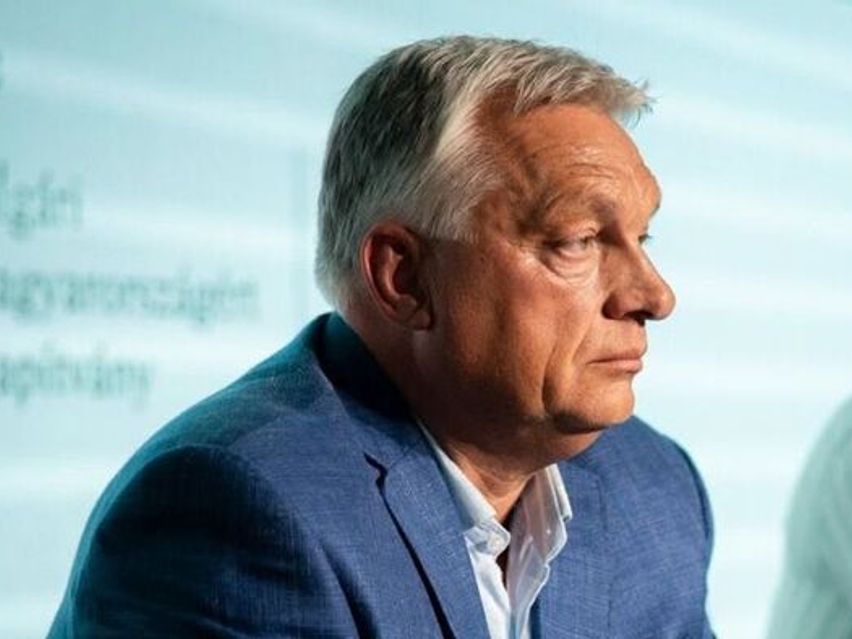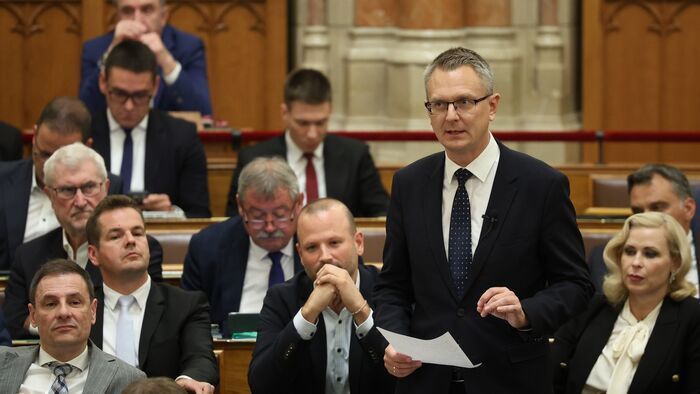
Europe’s political elite is gripped by war fever. With increasingly radical statements, leading figures are steadily pulling the European Union closer to direct involvement in the Russia–Ukraine conflict. European Commission President Ursula von der Leyen recently called for accelerating the immediate delivery of weapons and ammunition to Ukraine. She later said that although Europe has already provided nearly €170 billion in military and financial assistance, even more will be required. Meanwhile, Manfred Weber, leader of the European People’s Party (EPP), stated at the end of 2025 that he would like to see German soldiers serving under a European flag deployed to Ukraine, Szazadveg reports.

Sending Troops Is a Red Line
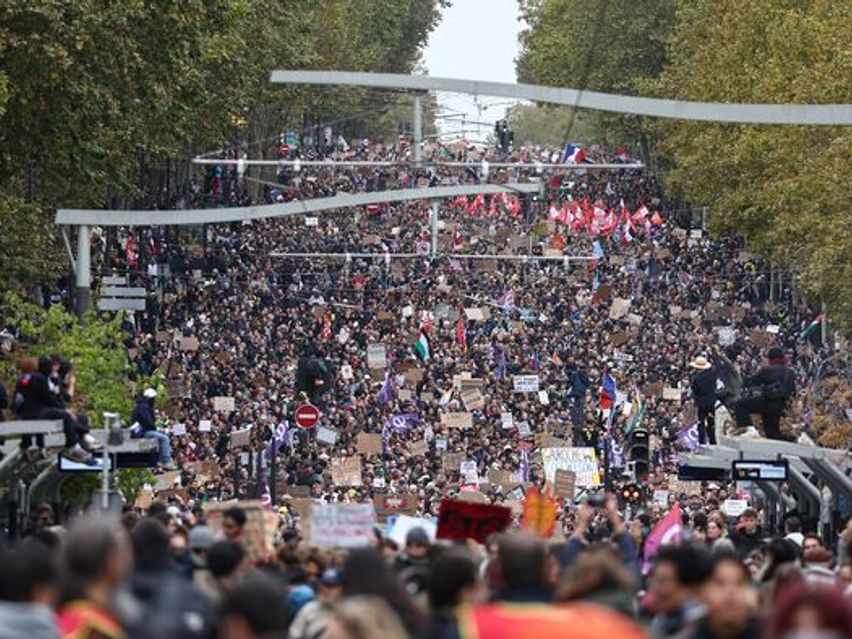
European citizens, however, do not share the elite’s pro-war stance. According to the latest Europe Project survey conducted by Szazadveg, 69 percent of the EU’s adult population oppose sending troops to Ukraine. Only about one-quarter of respondents agree with the position taken by political elites.
Sweden is the only EU member state where a relative plurality—47 percent—supports sending troops to Ukraine. In all other countries, opponents of troop deployment dominate, and in every case except Finland, they form an absolute majority.
The most pro-peace member states are Hungary, Bulgaria, and Slovenia, where opposition to sending troops stands at 91 percent, 85 percent, and 83 percent, respectively.
Growing Opposition to Weapons Deliveries
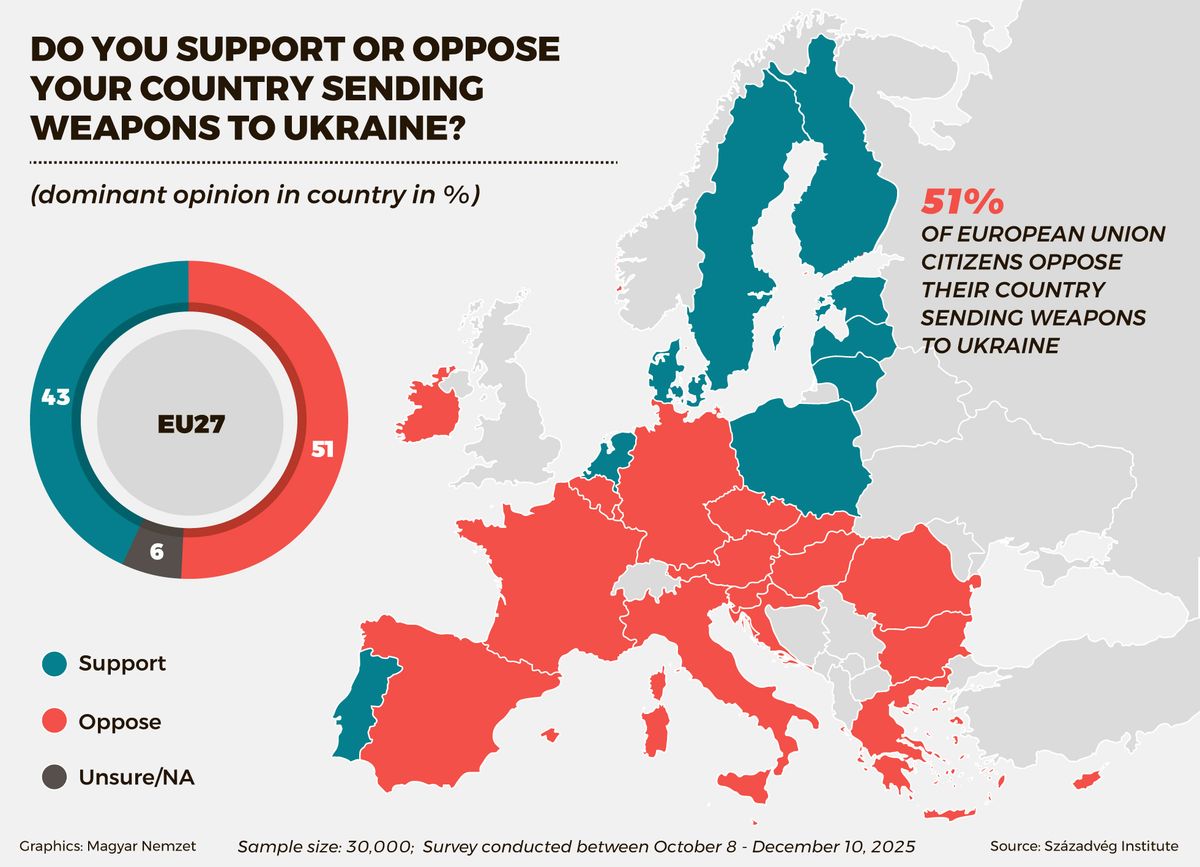
Opposition to arms shipments is also on the rise. According to the survey, 51 percent of EU citizens oppose sending weapons to Ukraine, while 43 percent support it. These results are striking given that several member states have been supplying weapons to Ukraine for some time, often regardless of public opinion. In many of these countries, political elites have launched communication campaigns aimed at persuading citizens that their policies are justified.
Public sentiment, however, has moved in the opposite direction. In 2023, a narrow majority of EU citizens—51 percent—supported sending weapons to Ukraine. Since then, support has steadily declined, and by 2025 the proportions had flipped.


Szóljon hozzá!
Jelenleg csak a hozzászólások egy kis részét látja. Hozzászóláshoz és a további kommentek megtekintéséhez lépjen be, vagy regisztráljon!