Hungary FM: Claims That Benefits of Ukraine's EU Membership Trump Western Balkans Are Laughable

It is a bad joke to suggest that admitting Ukraine to the European Union would benefit the bloc more than the accession of the Western Balkan countries, Hungarian Foreign Minister Peter Szijjarto said Monday in Budapest. He added that only the integration of the Western Balkans can bring the vitality and dynamism the EU desperately needs.

2026. 03. 10. 14:37
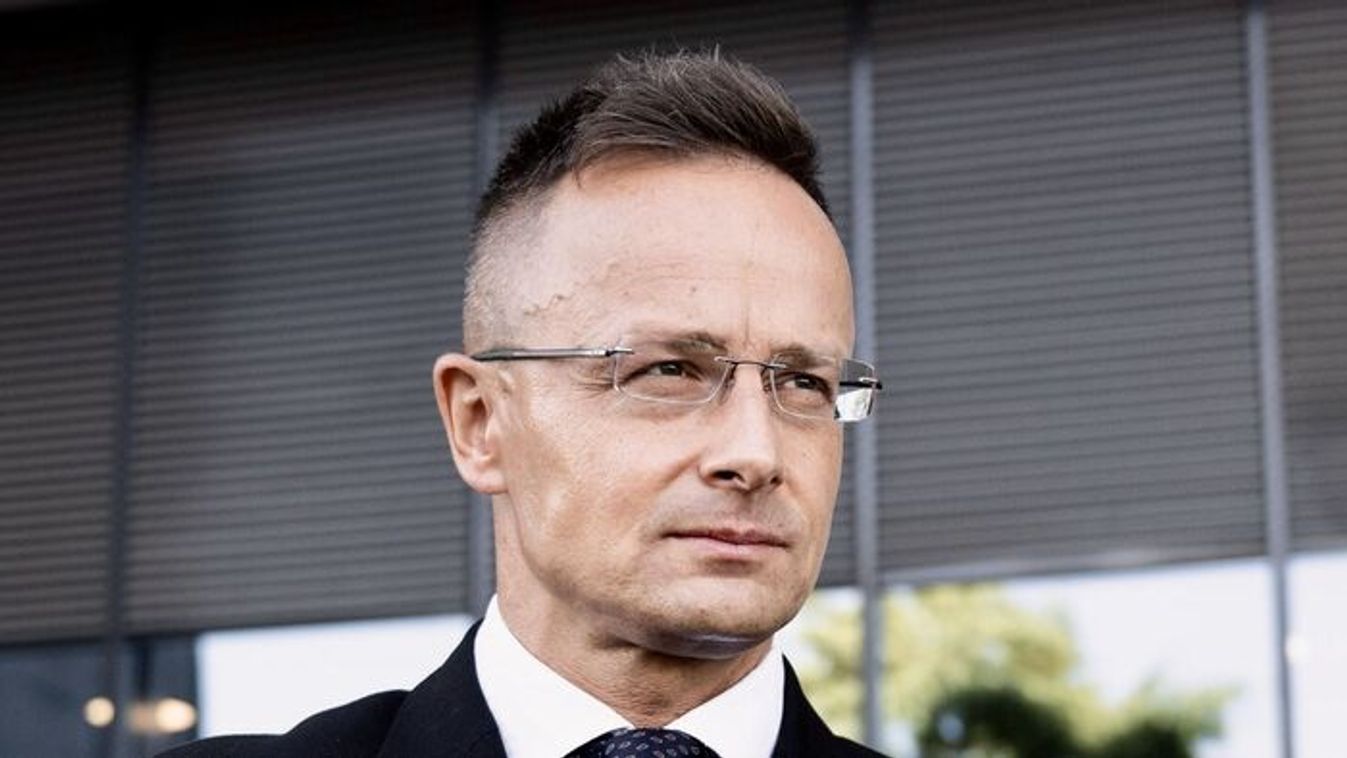
Hungary's Foreign Affairs and Trade Minister Peter Szijjarto (Soure: Facebook)
VéleményhírlevélJobban mondva - heti véleményhírlevél - ahol a hét kiemelt témáihoz fűzött személyes gondolatok összeérnek, részletek itt.

According to a statement from the ministry, Szijjarto told participants at the Budapest Balkans Forum that the European Union has “completely lost its common sense,” and that as a result of what he described as an overly ideological policy coming from Brussels, the bloc’s influence in global politics and the world economy has significantly weakened.

Pápa, 2026. március 2.
Szijjártó Péter külgazdasági és külügyminiszter a kormánypártok országjárásának sajtótájékoztatóján a pápai sportcentrumban 2026. március 2-án.
MTI/Krizsán Csaba
Speaking at the Budapest Balkan Forum, Peter Szijjarto began by stating that the European Union had completely lost its common sense
(Photo: MTI)
 

The minister argued that the EU has increasingly isolated itself—from the United States, from Russia, from China, and from what he called the continents of the future, including Africa and large parts of Asia.

“For that reason, the European Union now needs fresh momentum, dynamism, and energy that can restore its strength,” he said. “In my view, that strength, dynamism, and renewal can only come from the Western Balkans. It is therefore no exaggeration to say that it is now more in our interest that the Western Balkan countries join the European Union than it is in theirs.”

He added that it is a “bad joke” for some to claim that Ukraine’s accession would be more beneficial to the EU than the accession of the Western Balkan states. He also criticized what he described as the double standards of many member states, noting that their public statements about enlargement often differ significantly from what is said behind closed doors.

“When we are among ourselves, those who publicly say how much they support EU enlargement and how much they want you to join the EU talk about the difficulties it would cause, the obstacles involved, and why it would be impossible,” he said.

According to Szijjarto, hypocrisy within the EU must come to an end if the Western Balkans are to have a realistic chance of joining the bloc.

The foreign minister also addressed challenges related to Europe’s energy supply and thanked regional partners—Turkey, Serbia, and Bulgaria—which he described as reliable partners in the transit of natural gas.

He stressed that after Ukraine blocked the Druzhba oil pipeline and disruptions in global energy shipments have occurred due to the war in the Middle East, the time has come for the European Union to lift sanctions on Russian energy imports.

“Europe needs more energy,” Szijjarto said. “We all know—even those who have never studied economics—that when the supply of a product decreases, its price increases. If we want large quantities of energy, Russian energy resources must return to the European market.”

Szijjarto also addressed the ongoing debate over the future structure of the European Union. He stressed that the Hungarian government supports an integration of strong, sovereign nation-states rather than the creation of a kind of “United States of Europe.”

The dispute between so-called sovereigntists and federalists is also reflected in the debate over the veto power held by member states. If we give up the veto, that means giving up part of our sovereignty,” he warned. “The veto guarantees that, in matters of vital importance, decisions cannot ultimately be made against national interests.

He added that attempts are already underway within the EU to bypass the veto mechanism.

“The REPowerEU regulation is a rather shameful example of this,” he said. “When Brussels or the larger member states see that there is no chance of unanimous agreement, they simply circumvent the rules,” he explained.

For that reason, we must insist on maintaining the veto, otherwise, national interests cannot be properly represented.

he concluded. 

Cover photo: Hungary's Foreign Affairs and Trade Minister Peter Szijjarto (Soure: Facebook)

Komment

Összesen 0 komment

A kommentek nem szerkesztett tartalmak, tartalmuk a szerzőjük álláspontját tükrözi. Mielőtt hozzászólna, kérjük, olvassa el a kommentszabályzatot.


Jelenleg nincsenek kommentek.

Szóljon hozzá!

Jelenleg csak a hozzászólások egy kis részét látja. Hozzászóláshoz és a további kommentek megtekintéséhez lépjen be, vagy regisztráljon!

A téma legfrissebb hírei

Tovább az összes cikkhez chevron-right

Ne maradjon le a Magyar Nemzet legjobb írásairól, olvassa őket minden nap!

Google News
A legfrissebb hírekért kövess minket az Magyar Nemzet Google News oldalán is!

Címoldalról ajánljuk

Tovább az összes cikkhez chevron-right

Portfóliónk minőségi tartalmat jelent minden olvasó számára. Egyedülálló elérést, országos lefedettséget és változatos megjelenési lehetőséget biztosít. Folyamatosan keressük az új irányokat és fejlődési lehetőségeket. Ez jövőnk záloga.