Airport Express Rail to Be Built via Concession
The government also decided to develop the M86–87 highways through a concession model, which may be used for further projects as well.
The Cabinet supports building the airport express rail link through a concession: a 27-kilometer line running from Budapest airport to Nyugati Railway Station, constructed in six years, with a 19-minute travel time and trains running every 5–10 minutes. Tickets are expected to cost 3,000–4,000 forints.
Investigation Under Prosecutorial Supervision in Szolo Street Case
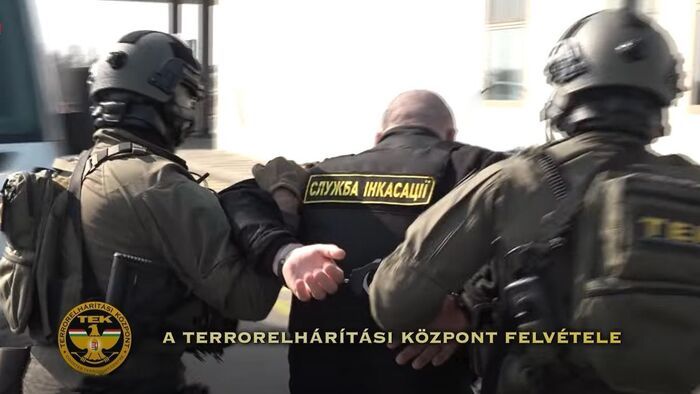
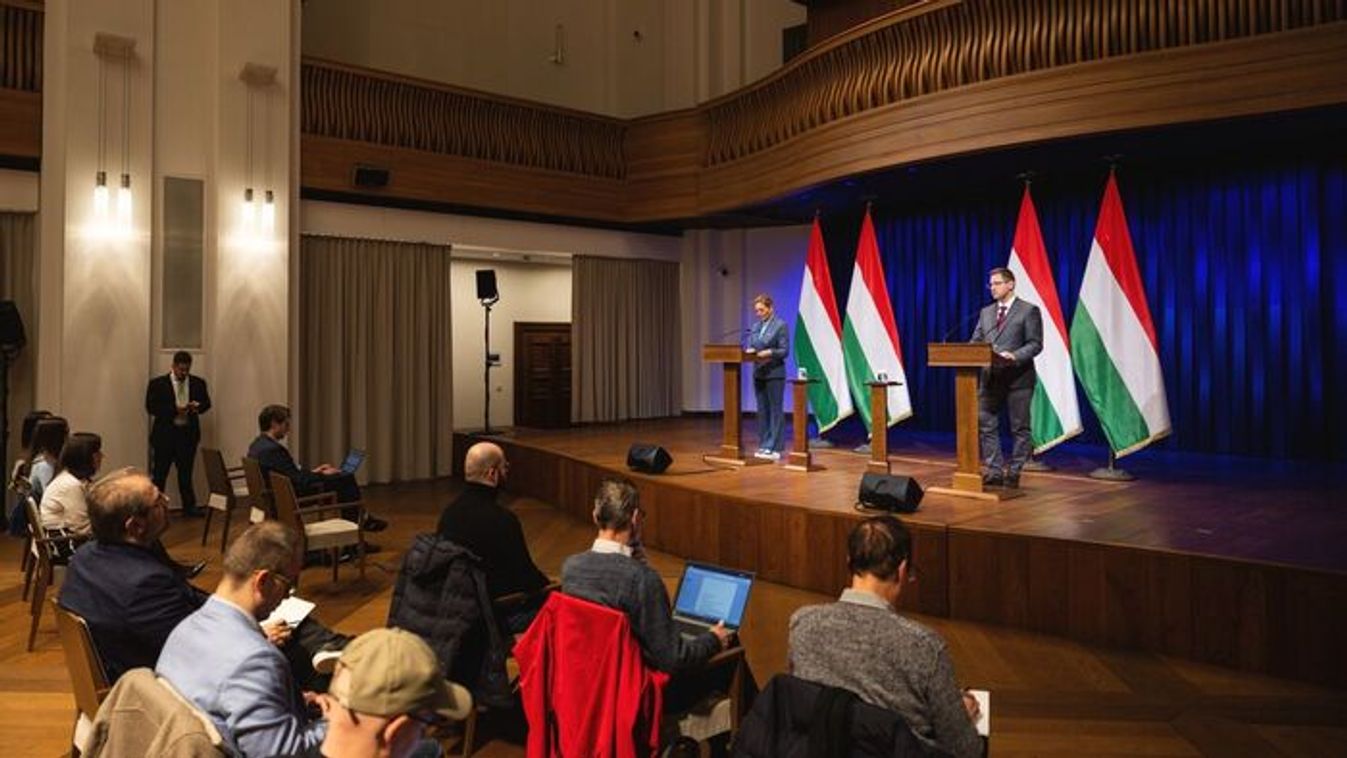
Gulyas addressed the abuses exposed at the Szolo Street youth detention facility. He said the Interior Minister informed the government that a full investigation is underway under the supervision of the prosecutor’s office. Contrary to speculation, the investigation was launched because the responsible state authorities ordered it. He stressed that the institution is a juvenile prison with 57 detainees.
He announced that all state-run juvenile correctional facilities will now be placed under police supervision. Thanks to this measure, incidents like those uncovered will not happen again, he said, adding that
Gulyas announced ystemic failures must be identified, which is why these facilities are now under police oversight. He credited the Interior Ministry with uncovering the misconduct.
all forms of violence against minors are unacceptable — even if those minors are serving sentences for serious crimes.
Responding to a press question, Gulyas insisted no one in the government knew what was happening at the Szolo Street institution. Systemic failures must be identified, which is why these facilities are now under police oversight. He credited the Interior Ministry with uncovering the misconduct.